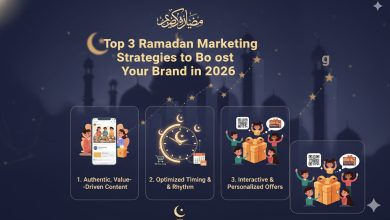
Every year, like clockwork, marketing departments brace for the Ramadan season. The briefs go out, the creatives get to work, and soon, our screens are filled with beautiful images of lanterns, crescent moons, and families gathered around lavish tables. But if your brand’s strategy stops at these aesthetic cues, you’re leaving a massive amount of money and goodwill on the table.
Why? Because the “Ramadan audience” is a myth.
There is no single entity. There are nearly two billion individuals, each experiencing the holy month in their own unique way. Treating them as a monolith is like trying to sell snow gear in the Sahara—it shows a fundamental misunderstanding of your customer and the true consumer behavior during Ramadan. A university student in Kuala Lumpur pulling an all-nighter for exams has vastly different needs than a new mother in Riyadh trying to manage her household while fasting.
To build campaigns that truly resonate, you have to move beyond stereotypes and dig into the distinct personas that emerge during this time. Understanding these nuanced Ramadan audiences is the first step toward analyzing consumer behavior during Ramadan and crafting effective marketing strategies for Ramadan.
Let’s break down the seven key consumer archetypes you need to know to make your 2026 campaign a success by accurately predicting consumer behavior during Ramadan.
Key Takeaways
- The Spiritual Aspirant: The Soul-Searcher
- The Culinary Captain: The Iftar Innovator
- The Night Owl: The Late-Night Scroller
- The Eid Enthusiast: The Gifting Guru
- The Digital Nomad: The Hometown Traveler
- The Homebody Host: The Decorator
- The Value Voyager: The Savvy Shopper
- Ramadan 2026 Audience Archetypes at a Glance
- From Monolith to Meaningful Connection
- Your Action Plan
- Frequently Asked Questions (FAQ)
- Conclusion
The Spiritual Aspirant: The Soul-Searcher

For this audience, Ramadan is less about eating and more about feeling. Their primary goal is spiritual restoration, which significantly shapes consumer behavior during Ramadan. They actively seek to disconnect from worldly distractions and reconnect with their faith through prayer, giving, and reflection.
Who they are: They download religious apps, create playlists of Quran recitations, and listen to Islamic lectures on YouTube. Their screen time is intentional, often dedicated to self-improvement and worship. They are wary of overt commercialism, which makes their consumer behavior during Ramadan unique compared to other segments.
Key behavioral insights:
- Searches for terms like “how to focus during prayer,” “benefits of zakat,” and “Islamic podcasts” increase as part of their consumer behavior during Ramadan.
- They engage deeply with content from trusted religious figures and community leaders.
How to market to them:
- Subtlety is everything: Aggressive, sales-heavy ads will drive them away. Instead, adopt a tone of gentle support. Your brand should be a silent partner in their spiritual journey, not a loud obstacle to their specific consumer behavior during Ramadan.
- Provide real value: Create content that helps them achieve their spiritual goals. A productivity app could offer a “Daily Goals for Ramadan” template. A publisher could promote books on Islamic history.
- Embrace CSR: This is where audiences are most receptive to genuine charitable initiatives, which are a key driver of consumer behavior during Ramadan. Don’t just say you’re donating; show it. Partner with a reputable charity and share updates on the impact of customers’ contributions. A campaign that says “Every purchase helps provide an iftar meal” resonates deeply.
The Culinary Captain: The Iftar Innovator

Paradoxically, the month of fasting is also the month of food obsession. The Culinary Captain is the person in the household who takes immense pride in the Iftar table. They live for the challenge of creating delicious, varied, and often elaborate meals for 30 straight days.
Who they are: They are planners. You’ll find them scrolling through recipe blogs at 11 AM, saving TikTok videos of new cooking techniques, and filling their online grocery carts with exotic ingredients. They are a major driver of consumer behavior during Ramadan, especially in the food and beverage sector.
Key Behavioral Data:
- Google Trends shows a massive spike for “quick Iftar recipes” and “healthy Suhoor ideas” starting a week before Ramadan, reflecting this specific consumer behavior during Ramadan.
- Engagement rates on food blogger content can increase by over 200% during this period.
How to Market to Them:
- Solve their biggest problem: “Iftar fatigue.” After two weeks, everyone gets tired of the same old dishes. Be their source of inspiration. Create a “30 Days of Iftar” content series.
- Leverage visual platforms: High-quality, drool-worthy food photography and short-form video on Instagram and TikTok are your best tools to capture this consumer behavior during Ramadan. Show the process, not just the final product.
- Offer convenience: Bundling is your friend. Create an “Italian Night Iftar Kit” with pasta, sauce, and cheese, or a “Healthy Suhoor Smoothie Pack.” You’re not just selling products; you’re providing a solution to their complex consumer behavior during Ramadan by selling a pre-planned meal.
The Night Owl: The Late-Night Scroller

During Ramadan, daily schedules flip. The period between midnight and Suhoor (around 4 AM) becomes a second prime time. This is when the house is quiet, the day’s obligations are done, and people turn to their phones for entertainment and connection. This late-night surge is one of the most interesting aspects of consumer behavior during Ramadan, creating a unique window for brands to engage.
Who they are: This audience spans all demographics, from students studying for exams to parents relaxing after the kids are in bed. They are in a passive consumption mode, looking to be entertained, inspired, or simply to pass the time. Recognizing this shift in consumer behavior during Ramadan allows marketers to deliver content when the audience is most attentive and relaxed.
Key Behavioral Data:
- E-commerce platforms report conversion rate spikes between 1 AM and 4 AM, particularly in fashion, electronics, and beauty.
- Video consumption on platforms like YouTube and TikTok skyrockets during these late-night hours.
How to Market to Them:
- Reallocate your ad spend: While your competitors sleep, you can capture a highly engaged audience, often at a lower cost-per-click. Shift a significant portion of your budget to target users during this late-night window.
- Entertain, don’t just sell: This is the time for compelling storytelling, humorous skits, or interactive content like quizzes and polls. A fashion brand could run a mini-series on “30 Days of Eid Style.”
- Optimize for the environment: They are likely in a dark, quiet room. Your ads should reflect that. Avoid loud, jarring audio. Use subtitles and visually calming aesthetics.
The Eid Enthusiast: The Gifting Guru

As Ramadan progresses, a palpable shift occurs. The focus moves from the daily grind of fasting to the exciting anticipation of Eid al-Fitr. The Eid Enthusiast is on a mission: to prepare for the biggest celebration of the year.
Who they are: They are planners, list-makers, and often, the primary gift-buyers in the family. They are searching for outfits, home decor, and presents for loved ones, driving major Southeast Asia Ramadan shopping and Middle East Ramadan trends. This group represents a crucial segment of consumer behavior during Ramadan, as their spending habits shift from essential groceries to high-value lifestyle products.
Key Behavioral Data:
- Searches for “Eid gift ideas,” “kids Eid outfits,” and “Eid decorations” start climbing from the second week of Ramadan and peak in the last ten days.
- Conversion rates for beauty, fashion, and home goods see a second major spike in the week leading up to Eid.
How to Market to Them:
- Curate and guide: Don’t make them hunt for products. Create dedicated “Eid Gift Guides” segmented by recipient (“For Mom,” “For Him,” “For Kids”) and price point (“Under $50”).
- Elevate the experience: Eid is special, and the shopping experience should be too. Offer premium gift-wrapping services, personalized notes, and beautiful packaging. The unboxing is part of the gift.
- Alleviate shipping anxiety: The closer it gets to Eid, the more “will it arrive on time?” becomes a primary concern. Offer and heavily promote “Guaranteed Eid Delivery” or “Express Shipping” options. This can be the deciding factor for a last-minute shopp
The Digital Nomad: The Hometown Traveler

In many parts of the world, particularly Southeast Asia, Ramadan culminates in a mass exodus from cities to hometowns. This tradition, known as “Mudik” or “Balik Kampung,” is a central part of the cultural experience.
Who they are: They are logistical planners, coordinating travel for themselves and their families. They are booking tickets, packing bags, and thinking about gifts to bring back home. Their mobile phone is their command center, and their unique travel needs create a distinct pattern in consumer behavior during Ramadan that brands must pay attention to.
Key Behavioral Data:
- Travel and booking app usage soars.
- Searches for “comfortable travel outfits,” “portable chargers,” and “gifts for parents” increase.
How to Market to Them:
Focus on the journey: Your marketing should target the pain points of travel. A clothing brand can promote wrinkle-free fabrics. A tech brand can highlight the long battery life of its devices.
Geo-target your offers: Serve ads to users along popular travel routes. A food and beverage chain could offer a “Pit Stop Special” at service stations.
Connect families: Telecommunication companies have a huge opportunity to market data packages for video calling, positioning their service as the bridge that connects families, even before they arrive home.
The Homebody Host: The Decorator

Ramadan is an intensely social month. Homes become hubs for Iftar gatherings with friends, neighbors, and extended family. The Homebody Host takes great pride in creating a warm, welcoming, and beautiful environment for their guests.
Who they are: They see their home as an extension of their hospitality. Before and during the first week of Ramadan, they are on the hunt for new tableware, cushions, lanterns, and other decor items to create an inviting “Ramadan Corner.” This obsession with home aesthetics is a key driver of consumer behavior during Ramadan, as people prioritize comfort and hospitality for their loved ones.
Key Behavioral Data:
- Pinterest and Instagram see a surge in searches for “Ramadan home decor” and “Iftar table setting ideas.”
- Home goods retailers report a significant uptick in sales of dinnerware, textiles, and decorative lighting.
How to Market to Them:
Sell the vision, not the product: Instead of just showing a plate, show a beautifully set Iftar table. Create lookbooks and inspirational content that helps them visualize how your products can transform their space.
Create user-generated content (UGC) campaigns: Launch a hashtag campaign like #MyRamadanTable and encourage users to share photos of their setups. Understanding this specific type of consumer behavior during Ramadan helps brands build a community rather than just a customer base.
Practical tutorials: Offer value-driven content like “How to Host Your First Iftar” or “5-Minute Decor Ideas for Ramadan.” This positions your brand as a helpful expert.
The Value Voyager: The Savvy Shopper

While Ramadan is a time of increased spending, it’s also a time when household budgets are stretched thin. The Value Voyager is keenly aware of this. They are on a mission to find the best possible deals without compromising on quality.
Who they are: They are masters of comparison shopping, have multiple e-commerce apps on their phone, and know the exact dates of all the major online sales events. They are loyal to value, not necessarily to a specific brand. This meticulous approach is a hallmark of consumer behavior during Ramadan, as shoppers strive to balance generosity with financial responsibility.
How to Market to Them:
- Clarity and boldness: Your discounts need to be front and center. Use clear, bold graphics for “50% OFF” and “Buy One, Get One” offers. Don’t make them hunt for the deal.
- Create urgency: Flash sales are incredibly effective, especially when timed with the Night Owl’s activity window. A “Midnight Madness” sale can drive significant impulse purchases, tapping into the spontaneous side of consumer behavior during Ramadan.
- Leverage BNPL (Buy Now, Pay Later): For higher-ticket items like electronics or furniture, offering installment payment options can be the final push a customer needs to convert. Heavily promote these payment plans in your marketing.
Ramadan 2026 Audience Archetypes at a Glance
| Audience Type | Core Motivation | Best Platform | Key Marketing Strategy |
|---|---|---|---|
| The Spiritual Aspirant | Faith & Reflection | YouTube, Religious Apps | Subtle support & CSR |
| The Culinary Captain | Iftar Excellence | TikTok, Pinterest | Meal kits & Recipe content |
| The Night Owl | Connection & Browsing | Social Media (1-4 AM) | Late-night ad scheduling |
| The Eid Enthusiast | Gifting & Fashion | E-commerce, Instagram | Gift guides & Express shipping |
| The Digital Nomad | Family Reunions | Travel Apps, Mobile | Travel-friendly product focus |
| The Homebody Host | Hospitality & Decor | Pinterest, Instagram | UGC campaigns & Lookbooks |
| The Value Voyager | Savings & Smart Deals | Coupon Apps, BNPL | Bold discounts & Flash sales |
From Monolith to Meaningful Connection

The brands that win in 2026 will be the ones that stop shouting at a crowd and start whispering to an individual. They will recognize that the “Spiritual Aspirant” needs inspiration, the “Culinary Captain” needs convenience, and the “Eid Enthusiast” needs guidance. In a world where consumers are bombarded with thousands of generic ads, this personalized approach—rooted in a deep understanding of consumer behavior during Ramadan-is the only way to build a real bond.
By understanding these seven distinct Ramadan audiences, you can transform your marketing strategies for Ramadan from a generic, one-size-fits-all approach to a series of targeted, empathetic conversations. This strategic shift is crucial because consumer behavior during Ramadan is not a static concept; it is a dynamic set of habits that changes based on an individual’s goals, time of day, and emotional state. When you acknowledge these differences, your brand moves from being a mere vendor to a meaningful part of their journey.
Your Action Plan
Go through your planned campaign content. Can you assign each piece to one of these seven personas? If an ad or a post doesn’t speak directly to one of them, it’s likely too generic to make an impact. To truly stand out in 2026, you must take proactive steps to refine your messaging, adjust your timing, and tailor your offers to align with the shifting consumer behavior during Ramadan.
Ask yourself:
Is my content reaching the “Night Owl” during their peak browsing hours?
Does my offer provide the “Value Voyager” with the smart savings they crave?
Is my messaging respectful and uplifting for the “Spiritual Aspirant”?
Ramadan is a month of connection. This year, make sure your brand is making the right one. By focusing on the unique needs of each persona, you ensure that your brand’s voice isn’t just noise, but a welcome and helpful presence in the lives of your audience.
Frequently Asked Questions (FAQ)
Why should I use personas for my Ramadan 2026 campaign? In 2026, generic ads are easily ignored. Targeting specific groups like the “Culinary Captain” or “Spiritual Aspirant” ensures your message is relevant, which significantly boosts your conversion rates.
How is consumer behavior during Ramadan changing? Current consumer behavior during Ramadan shows a major shift toward late-night mobile usage and digital shopping. People now expect brands to offer both spiritual respect and seamless digital convenience.
What is the best time to engage with these audiences? Timing depends on the persona. “Night Owls” are most active at midnight, while “Homebody Hosts” often plan their day during the afternoon. To succeed, you must match your ad timing to their specific daily routines and shifting consumer behavior during Ramadan.
Can small brands compete with larger corporations? Yes. By focusing on a specific niche, such as the “Value Voyager,” small brands can offer personalized deals and faster service that larger, slower companies often miss. Smaller agile brands can often adapt more quickly to changes in consumer behavior during Ramadan than corporate giants.
How can a brand maintain its authenticity? Stop just selling and start being helpful. Provide real value through useful tips, recipes, or community support. Authenticity is about enhancing the customer’s overall Ramadan experience.
Conclusion
As we look toward Ramadan 2026, it is clear that success lies in personalization and empathy. Moving beyond traditional advertising and focusing on specific audience segments will allow your brand to build deeper, more lasting relationships. By acknowledging the diverse needs of each persona—from spiritual growth to festive preparation-you can create a campaign that feels both relevant and respectful. Ultimately, the brands that thrive will be those that adapt to the changing consumer behavior during Ramadan, turning every interaction into a meaningful step in the customer’s journey.
Ultimately, staying ahead of the shifting consumer behavior during Ramadan is the key to remaining competitive in an ever-evolving digital landscape. When you prioritize the needs of your audience and offer genuine value, your brand becomes more than just a service provider; it becomes a meaningful part of their holy month experience. Let this year be the one where your brand truly connects with the hearts and minds of your customers.