

Productivity Tips: Before improving your productivity, first identify what holds you back. Remote workers commonly struggle with:
- Creating the Right Workspace
- Starting the Day With Intention
- Prioritizing Daily Tasks
- Mastering Time Management
- Staying Focused in a Distracting Environment
- Maintaining Strong Communication
- Taking Breaks to Restore Energy
- Creating Healthy Work-Life Boundaries
- Building Motivation Through Personal Habits
- Caring for Your Physical and Mental Well-Being
- Planning Ahead for Better Organization
- Continuously Developing Your Skills
Remote work has become one of the most significant changes in the modern workforce. People across the globe are now working from home, co-working spaces, cafés, and even while traveling. This flexible work style offers independence and comfort, yet it also introduces unique challenges that can easily affect productivity, motivation, and mental well-being. Without proper structure, remote work can blur the boundaries between personal and professional life, leading to stress, procrastination, and decreased performance.
To succeed in a remote environment, you need a strategic approach that supports both consistency and creativity. This comprehensive guide explores the most effective ways to stay productive while working from home or any remote location. These methods are practical, research-backed, and easy to apply in your daily routine.
Creating the Right Workspace


Productivity begins with your surroundings. When working remotely, the environment you choose can either enhance your focus or cause constant distraction. A dedicated workspace helps create a mental boundary between work and home life. It signals to your brain that you are in a professional mode, even if you are physically at home.
A productive workspace does not require expensive equipment or a large area. It can be a corner of your room, a small desk by the window, or even a balcony setup with a simple table and chair. The important factor is consistency. Using the same space every day trains your mind to shift into work mode naturally.
Good lighting, comfortable seating, and minimal clutter are essential. Natural light boosts mood and energy levels. A supportive chair prevents back pain, while a clean desk maintains clarity. Avoid working from the bed or couch, as these areas are associated with rest and relaxation, which reduces focus and weakens productivity over time.
Starting the Day With Intention


Remote workers often struggle to begin the morning in a structured way. Without a commute or external pressure, it becomes easy to delay tasks or fall into a slow, unproductive start. Establishing a routine at the beginning of your day creates momentum and sets a positive tone.
Waking up at a consistent time helps maintain your internal clock. Hydrating your body with water after waking improves alertness. Light exercise or stretching activates your muscles and increases blood flow, helping you feel physically ready for work.
A simple breakfast, along with a few minutes of quiet reflection, reading, or reviewing the day’s schedule, can help you prepare mentally. The key is to avoid rushing into work immediately and instead transition smoothly into a productive mindset.
Prioritizing Daily Tasks


One of the most common productivity issues is feeling overwhelmed by too many tasks. When everything seems urgent, it becomes harder to focus on what truly matters. Effective remote workers simplify their workload by identifying the most important tasks for the day and completing them first.
Prioritization helps eliminate stress and clarifies your direction. Instead of trying to accomplish everything at once, choose the tasks that will have the greatest impact. This approach not only improves productivity but also increases the feeling of accomplishment.
Once key tasks are identified, divide the day into blocks of focused activity. Concentrating on one task at a time enhances efficiency and reduces errors. This method also prevents mental exhaustion, as your brain can focus deeply without shifting constantly between tasks.
Mastering Time Management


Productivity Tips: Time management is one of the most essential skills for remote work. Without the structure of an office environment, time can slip away easily. A proven method for managing time effectively is working in intervals. Short, focused work sessions followed by small breaks keep your mind fresh and engaged.
Working in timed blocks helps you stay committed to a single task and prevents multitasking. Short breaks between sessions allow your brain to rest, which increases creativity and reduces mental fatigue. This balance between work and rest maintains a steady level of productivity throughout the day.
Another aspect of good time management is setting boundaries around your work hours. Decide when you will start, take breaks, and stop working. A consistent schedule trains your mind and body to perform within those hours while protecting your personal time from unnecessary interruptions.
Staying Focused in a Distracting Environment


Home environments can be filled with distractions, including noise, household responsibilities, children, social media, and entertainment options. Remaining productive requires intentional strategies to eliminate or manage these distractions.
Keeping your phone out of reach during work sessions can significantly increase your focus. Turning off non-essential notifications prevents interruptions. Using website-blocking tools, if necessary, helps prevent wandering onto social media or entertainment sites during work hours.
Productivity Tips: Communicating with family members or roommates about your work schedule can also help create a supportive environment. Letting them know when you need uninterrupted time reduces disturbances and helps you maintain concentration.
Maintaining Strong Communication

Remote work relies heavily on communication. Without face-to-face interaction, misunderstandings can happen easily. Clear and regular communication ensures that everyone on your team stays aligned and informed.
Using digital tools such as messaging apps, project management systems, and video meetings keeps collaboration smooth and efficient. Regular updates on tasks, questions, or progress help prevent delays. Asking for clarification when needed prevents mistakes and creates a sense of connection.
Productivity Tips: Communication is not only about work-related issues. Informal conversations with colleagues can also improve team bonding, reduce isolation, and create a more enjoyable work experience. When communication flows well, the entire team benefits.
Taking Breaks to Restore Energy

Breaks are an essential part of any productive routine. Working non-stop may seem like a sign of commitment, but it actually reduces effectiveness and increases stress. Short breaks help reset the mind, improve creativity, and prevent burnout.
A refreshing break can be as simple as taking a walk, stretching, drinking water, or looking out the window for a few minutes. Screen breaks are especially important for remote workers who spend long hours on digital devices. Resting your eyes periodically helps prevent strain and fatigue.
Longer breaks, such as lunch or afternoon rest, allow your body and mind to recharge more deeply. Including leisure activities during longer breaks can greatly improve mood and motivation when you return to work.
Creating Healthy Work-Life Boundaries


Productivity Tips: Remote work makes it easy for professional responsibilities to blend with personal life. This lack of separation often leads to stress, extended work hours, and difficulty relaxing. Establishing clear boundaries protects your mental health and improves your long-term productivity.
Having a specific time to stop working is just as important as having a time to start. Logging off at a consistent hour allows you to mentally detach from work. Separating digital tools for work and personal use can also help maintain boundaries. This might include using different browsers, email accounts, or even devices.
It’s important to communicate your boundaries to those around you. Family members should understand when you are not available, and employers should know your preferred communication hours. Maintaining these boundaries creates a healthier and more sustainable workflow.
Building Motivation Through Personal Habits


Motivation can fluctuate when working remotely. Some days feel productive and energetic, while others feel slow or uninspiring. The solution is not to force motivation, but to build habits that sustain it naturally.
One effective habit is keeping a daily or weekly progress sheet. Tracking achievements, even small ones, creates a sense of momentum. Visualizing goals through reminders, vision boards, or written affirmations can also reinforce motivation.
Rewarding yourself for completing important tasks helps build positive reinforcement. Rewards can be something simple, such as enjoying a favorite snack, watching a short video, listening to music, or taking a relaxing break. These rewards make the work experience more enjoyable and balanced.
Caring for Your Physical and Mental Well-Being

Productivity Tips: Productivity depends greatly on your physical and mental health. Without proper care, your energy levels, concentration, and emotional stability decline. Remote workers often sit for long hours, which can cause discomfort or health issues.
Maintaining proper posture, using ergonomic furniture, and taking stretching breaks can help prevent physical strain. Hydrating regularly, eating balanced meals, and engaging in daily movement support long-term health.
Productivity Tips: Mental well-being is equally important. Remote work can sometimes feel isolating or overwhelming. Practicing mindfulness, spending time with loved ones, engaging in hobbies, and taking time to relax helps maintain emotional balance. Healthy workers are naturally more productive, creative, and resilient.
Planning Ahead for Better Organization

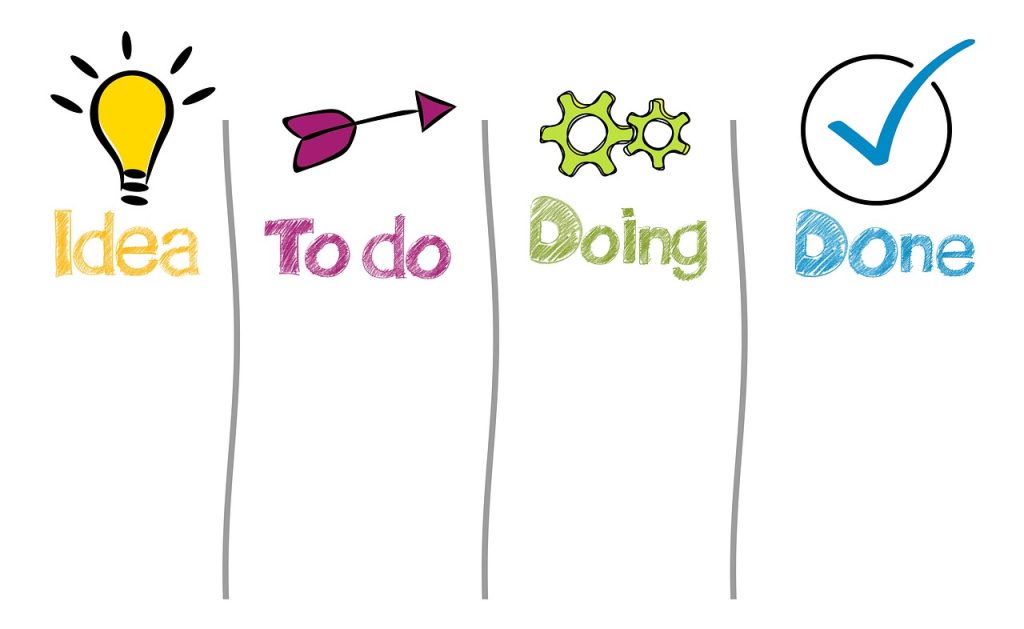
Organization is the foundation of remote work success. Planning your tasks the night before can reduce morning stress and create a clear direction for the next day. Keeping track of deadlines, meetings, and priorities helps you manage responsibilities smoothly.
Organizing digital files, emails, and tools also contributes to efficiency. A well-arranged digital workspace allows you to find information quickly and reduces time wasted searching for documents.
Weekly reviews can help you evaluate your performance. Reflecting on what worked well and what needs improvement helps you refine your routine gradually. Consistent self-reflection leads to better habits and stronger productivity over time.
Continuously Developing Your Skills
Productivity Tips: Remote work environments evolve quickly, and staying productive requires continuous learning. Improving your skills enhances confidence, reduces frustration, and helps you adapt to new challenges.
Learning new software tools, improving communication skills, understanding time management techniques, or exploring courses related to your job can boost your overall performance. Continuous learning creates long-term career growth and keeps your mind active.
Personal development also contributes to motivation. When you feel yourself improving, you naturally become more committed to your work.
Conclusion: Building a Sustainable Remote Work Lifestyle
Remote work offers freedom, flexibility, and the opportunity to create a lifestyle that balances career success with personal well-being. However, it requires intentional effort and structured habits. By creating a dedicated workspace, building strong routines, communicating effectively, managing your time wisely, and taking care of your health, you can unlock your full potential.
Productivity Tips: Productivity is not about working harder; it is about working smarter. With the right strategies and mindset, remote work can become not just a requirement, but a deeply rewarding experience that enhances your professional and personal life. The key is consistency, self-discipline, and awareness of what helps you maintain focus and motivation. When these elements come together, remote work becomes a powerful path to success and fulfillment.