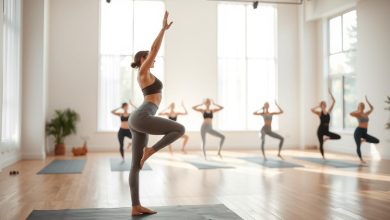
Yoga is an ancient practice from India that has been around for thousands of years. It’s a mix of physical poses, breathing, and meditation. The National Institutes of Health say it’s a way to improve your health and well-being.
Starting yoga as a beginner might seem hard, but it can change your life. Doing yoga at home lets you try different styles and routines at your own speed. It’s a great way to start your yoga journey.
Key Takeaways
- Yoga is a holistic practice that combines physical postures, breathing techniques, and meditation.
- Practicing yoga at home offers flexibility and convenience.
- Starting a yoga practice can be a transformative experience for overall wellness.
- Yoga is beneficial for both physical and mental health.
- Beginners can explore various yoga styles and routines at their own pace.
Understanding the Fundamentals of Yoga
Yoga is more than just physical poses. It combines exercise, breathing, and meditation for health. Over centuries, yoga has evolved, blending physical postures, breathing, and mental focus for better well-being.
What is Yoga?
Yoga is a mix of physical poses and deep breathing. It boosts strength, flexibility, and balance. It also lowers stress and promotes calm. Yoga is for all ages and fitness levels, making it easy for beginners.
Brief History of Yoga
Yoga comes from ancient India, over 5,000 years ago. The word “yoga” means to unite or join. It was first used to connect body, mind, and spirit.
Over time, yoga has grown, with many styles emerging. Yet, its core goal remains the same: to find inner peace and harmony.
Benefits of Yoga for Beginners
Yoga offers great benefits for newbies. It can make you more flexible and strong. It also helps reduce stress and anxiety, bringing calm and well-being.
As you get better, you might notice clearer thinking and focus. This can greatly improve your life quality.
Key benefits for beginners include:
- Improved flexibility and balance
- Reduced stress and anxiety
- Enhanced mental clarity and focus
- Increased strength and overall physical health
Learning yoga’s basics is a journey. It not only boosts physical health but also nurtures your mind and emotions.
Setting Up Your Home Yoga Space
Creating a dedicated yoga space at home can greatly improve your practice. Having a special area for yoga helps you stick to a routine. It also makes your yoga experience better.

Choosing the Right Location
When picking a spot for your yoga space, look for a quiet and peaceful area. It should be away from busy spots. This keeps the space calm and focused on yoga.
- Select a room or corner that is away from high-traffic areas.
- Ensure the space is well-ventilated and has a comfortable temperature.
- Consider the lighting; natural light is preferable, but soft artificial lighting can also create a calming ambiance.
Essential Yoga Props
Some props can really help your yoga practice. These include:
- Yoga Mat: A good-quality yoga mat provides grip and cushioning.
- Yoga Blocks: These help modify poses to suit your flexibility level.
- Yoga Strap: Useful for deepening stretches and maintaining proper alignment.
- Bolsters or Pillows: Can be used for support in restorative yoga poses.
Creating a Comfortable Atmosphere
The feel of your yoga space is key to a good practice. To make it comfy:
- Use calming colors for the walls and decor.
- Incorporate elements of nature, such as plants or a water feature.
- Play soothing music or nature sounds to enhance relaxation.
- Maintain a clutter-free space to promote a sense of calm.
By picking the right spot, props, and atmosphere, you can make a home yoga space that supports your practice. It helps you connect deeper with your yoga.
Basic Yoga Poses for Beginners
Starting your yoga journey is exciting. It begins with learning basic poses that are foundational. These poses are simple but powerful, helping you build a strong practice.
Mountain Pose (Tadasana)
Mountain Pose, or Tadasana, is a key standing pose. It helps improve balance, posture, and calmness. Stand with your feet apart, engage your core, and hold your arms by your sides. Keep your spine straight and your weight balanced.
Benefits: It makes your posture, balance, and stability better.
Downward Facing Dog (Adho Mukha Svanasana)
Downward Facing Dog stretches your back side from shoulders to heels. Start on all fours, then lift your hips up and back. Straighten your arms and legs as much as you can. Make sure your palms and heels stay on the ground.
Benefits: It stretches your hamstrings, calves, and spine. It also strengthens your arms and shoulders.

Cat-Cow Stretch (Marjaryasana-Bitilasana)
The Cat-Cow Stretch is a gentle flow that warms your spine and boosts flexibility. Start on all fours. Inhale and arch your back, lifting your tailbone and head up (Cat Pose). Exhale and round your back, tucking your chin and tailbone (Cow Pose). Do this several times.
Benefits: It makes your spine more flexible and reduces neck and torso tension.
Child’s Pose (Balasana)
Child’s Pose is a resting pose that stretches your back and hips. Kneel on the mat, then sit back onto your heels. Stretch your arms out in front, lower your forehead to the ground, and breathe deeply.
Benefits: It stretches your back, hips, and thighs. It also promotes relaxation.
| Pose | Benefits | Key Alignment Tips |
|---|---|---|
| Mountain Pose (Tadasana) | Improves posture, balance, and stability | Feet hip-width apart, engage core, long spine |
| Downward Facing Dog (Adho Mukha Svanasana) | Stretches hamstrings, calves, and spine; strengthens arms and shoulders | Palms and heels grounded, straighten arms and legs |
| Cat-Cow Stretch (Marjaryasana-Bitilasana) | Improves spinal flexibility, reduces tension in the neck and torso | Move slowly, breathe deeply, keep knees slightly bent if necessary |
| Child’s Pose (Balasana) | Stretches the back, hips, and thighs; promotes relaxation | Sit back onto heels, stretch arms out, lower forehead to ground |
Developing a Simple Yoga Routine
Creating a simple yoga routine is key to a consistent practice. Being consistent is crucial to see yoga’s benefits. Start with short sessions and grow them to fit your life.
Importance of Consistency
Being consistent in yoga builds discipline and improves your experience. Yoga expert B.K.S. Iyengar said,
“The practice of yoga is not about touching your nose to your knees, but about understanding the subtle changes in your body and mind.”
Even a few minutes a day can boost flexibility, strength, and mental clarity.
To stay consistent, remember to:
- Set a regular practice schedule
- Start with achievable goals
- Gradually increase practice duration and intensity
How Long Should You Practice?
The right practice time depends on your goals and schedule. Beginners should start with 15-20 minute sessions. As you get better, you can extend your practice to 30 minutes or more.
It’s not just about the duration; the quality of your practice is also important. Pay attention to alignment, breathing, and mindfulness for the best results.
Sample Beginner Yoga Routine
Here’s a simple routine to begin with:
- Mountain Pose (Tadasana) – 5 minutes
- Downward Facing Dog (Adho Mukha Svanasana) – 3 sets of 30 seconds
- Cat-Cow Stretch (Marjaryasana-Bitilasana) – 3 sets of 30 seconds
- Child’s Pose (Balasana) – 5 minutes
This routine is gentle and easy to start with. As you get better, you can add more poses and practice longer.
Breath and Mindfulness Techniques
Yoga is more than just physical poses. It also focuses on breath control and mindfulness. As you get better at yoga, you’ll see how important these techniques are.

Introduction to Pranayama
Pranayama, or breath control, is key in yoga. It involves different ways to manage your breathing. This helps calm your mind, balance your body, and get ready for meditation.
For beginners, try Ujjayi breathing. It’s also known as the “ocean breath.” You breathe in and out through your nose, making a soft hissing sound.
Deep Breathing Exercises
Deep breathing exercises can help you relax and focus better. Adding them to your yoga can make you feel better overall. Start by sitting comfortably, then breathe in deeply through your nose.
Fill your lungs fully, then breathe out slowly. Do this a few times, paying attention to how you feel.
Mindfulness Meditation for Yogis
Mindfulness meditation is great for yoga. It helps you be more aware and peaceful. It makes your yoga practice deeper and your mind clearer.
To meditate, sit comfortably and close your eyes. Focus on your breath. If your mind drifts, gently bring it back to your breath without judging.
Using breath and mindfulness in yoga connects your body, mind, and spirit more deeply. These practices make your yoga better and improve your overall well-being.
Incorporating Yoga into Daily Life
Daily yoga is more than just poses. It’s a path to a balanced life. Adding yoga to your daily routine boosts your physical and mental health.
Benefits of a Daily Practice
Yoga every day brings many benefits. You’ll see better flexibility, less stress, and clearer thinking. It also helps you sleep better and feel more energetic.
Key Benefits of Daily Yoga:
- Improved flexibility and balance
- Reduced stress and anxiety
- Enhanced mental clarity and focus
- Better sleep quality
- Increased energy levels

Tips for Staying Motivated
It’s key to keep up with yoga. Joining a yoga community, online or in-person, helps a lot. Setting goals and tracking your progress keeps you on track.
Here are some additional tips to stay motivated:
- Start with short, manageable practices and gradually increase duration.
- Find a yoga buddy or join a class.
- Use yoga apps or online resources for guidance.
- Celebrate small milestones and achievements.
Mixing Yoga with Other Fitness Activities
Yoga is great with other exercises. It makes your fitness routine better and lowers injury risk. Mixing yoga with cardio, strength training, or other activities is a smart move.
| Fitness Activity | Benefits of Combining with Yoga |
|---|---|
| Cardio (Running, Cycling) | Improved flexibility, reduced injury risk |
| Strength Training | Enhanced flexibility, better muscle recovery |
| Pilates | Improved core strength, enhanced body control |
By adding yoga to your daily routine and mixing it with other exercises, you can live a balanced and healthy life.
Understanding Different Styles of Yoga
Starting your yoga journey? Knowing the different styles can help you find what suits you best. Yoga offers many styles, each catering to different needs and goals.

Hatha Yoga
Hatha Yoga is a traditional yoga form. It focuses on physical postures (asanas) and breathing techniques (pranayama). It aims to balance the body’s energy and prepare it for meditation. It’s perfect for beginners, teaching the basic postures and breathing exercises.
“Hatha Yoga is the foundation upon which many other yoga styles are built. It’s an excellent starting point for anyone new to yoga.”
Vinyasa Yoga
Vinyasa Yoga, also known as flow yoga, links breath with movement. It flows from one pose to another. It’s more dynamic than Hatha Yoga and can be more challenging. Vinyasa Yoga is great for those who love movement and seek an energetic practice.
“Vinyasa Yoga is not just a physical practice; it’s a flowing meditation that connects breath with movement.”
Restorative Yoga
Restorative Yoga is a gentle practice. It uses props to support the body in relaxing postures. It’s designed to help the body recover and rejuvenate, reducing stress and tension. It’s perfect for those seeking relaxation and stress relief.
Knowing these styles can help you tailor your practice to your needs and preferences. Whether you’re looking for a challenging practice or a relaxing experience, there’s a style of yoga for you.
- Hatha Yoga for a traditional and foundational practice
- Vinyasa Yoga for a dynamic and flowing practice
- Restorative Yoga for relaxation and stress relief
Exploring these styles can make your yoga journey more enjoyable and rewarding.
Common Challenges for Beginners
Starting your yoga journey as a beginner comes with its own set of challenges. Knowing these challenges can help you move through your practice more smoothly.
Dealing with Discomfort
Feeling discomfort is common when you’re new to yoga. This might be because of new poses or tight muscles. Listening to your body and adjusting poses can ease this discomfort. For example, if a forward bend hurts your back, try bending your knees a bit.
| Discomfort Area | Possible Modification |
|---|---|
| Lower Back | Bend knees in forward bends |
| Hips | Use a block or strap in seated forward bends |
| Knees | Avoid deep knee bends or use support |
Overcoming Self-Doubt
Many beginners doubt their ability to do yoga poses right. Practice regularly and focus on your own progress, not others. Yoga is a personal journey, not a competition.
- Focus on your breath and alignment.
- Use online resources or classes to guide you.
- Celebrate small achievements in your practice.
Finding the Right Pace
Finding your pace in yoga is key. It’s tempting to rush, but yoga is a practice of patience. Start with short practices and slowly add more time as you get more comfortable.
- Begin with short practices (20-30 minutes).
- Gradually increase practice time.
- Listen to your body and rest when needed.

By tackling these common challenges, you can make your yoga practice more enjoyable and rewarding. Remember, the journey of yoga is just as important as the destination.
Tips for Practicing Safely at Home
Yoga at home can be great, but safety is key. Be careful with your body and the poses you do. Knowing your limits and the risks of certain poses is important.
Listening to Your Body
Listening to your body is crucial for safe yoga. Know your limits and respect them. If you feel pain or discomfort, stop right away.
Yoga expert B.K.S. Iyengar said,
“The body is your temple. Keep it pure and clean for the soul to reside in.”
Heeding your body’s signals can prevent injuries. It’s important to know the difference between a challenging pose and actual pain. Never push yourself beyond what feels safe or comfortable.

Modifying Poses
Modifying poses makes your practice safer and more fun. Many poses can be adjusted for different levels of flexibility and strength. For example, if a deep forward bend is hard, bend your knees or use a block.
Props like blocks, straps, and blankets help with alignment and reduce injury risk. Modifying poses is not a sign of weakness; it’s a sign of intelligence and respect for your body’s capabilities.
Avoiding Injuries
Injuries can happen, especially if you’re new or push too hard. To avoid them, warm up well, stay hydrated, and be aware of your surroundings.
- Make sure your practice space is clear and has a non-slip surface.
- Choose a good-quality yoga mat for grip and cushioning.
- Don’t practice yoga when you’re very tired or after eating a big meal.
By knowing these risks and taking steps to avoid them, you can have a safe and rewarding yoga practice at home.
Yoga Etiquette and Mindset
Yoga etiquette and mindset are key to making your practice more than just exercise. They help turn yoga into a complete experience. Being positive and respectful towards yoga can greatly improve your well-being.

Respecting Your Practice
Respecting your yoga means being kind and patient with yourself. It’s about knowing your limits and not overdoing it. Being gentle with yourself creates a safe space for your practice to grow.
Listen to your body and respect its needs. If you’re tired or uncomfortable, it’s fine to adjust or rest. This careful approach prevents injuries and deepens your connection with your body.
Practicing Gratitude
Gratitude is a big part of yoga etiquette. Focusing on what you’re thankful for shifts your mindset to a positive place. You might be thankful for your body, health, or the chance to practice yoga.
Gratitude journaling is a great way to stay positive. Writing down things you’re grateful for each day boosts your outlook and well-being.
Creating a Positive Mindset
A positive mindset is crucial for a rewarding yoga practice. Using positive affirmations and a growth mindset helps you overcome doubts and reach your goals. It’s about being kind to yourself, celebrating your wins, and seeing challenges as growth opportunities.
A positive mindset also helps you deal with life’s ups and downs. Cultivating resilience and optimism helps you handle stress and adversity better. This leads to a more balanced and fulfilling life.
Progression and Advancement in Yoga
Getting better at yoga takes regular practice, knowing yourself, and getting help from teachers. As you move forward in yoga, it’s key to track your progress, know when to try harder poses, and seek advice from teachers. These steps are vital for growing and improving.
Tracking Your Progress
It’s important to keep track of how you’re doing in yoga. Keeping a yoga journal is a great way to do this. It lets you write down your practices, see how you’ve improved, and find areas to work on. Reflecting on your practice helps you set goals and celebrate your wins, big or small.

When to Explore Advanced Poses
Deciding when to try harder poses can be tough. It’s important to listen to your body and not rush. A solid foundation in basic poses is key before moving on. Usually, after practicing for months, you’re ready for more challenging poses. Always listen to your body and ask a yoga teacher for advice on when to move up.
Seeking Guidance from Instructors
Getting help from experienced yoga teachers can really help your practice. They can give you feedback, fix your alignment, and suggest changes just for you. Workshops and classes are great for learning new things, deepening your yoga knowledge, and staying excited. Teachers can also suggest poses that are right for you, making sure your practice is both safe and challenging.
Resources for Beginners
Starting yoga can seem scary, but the right tools make it easier. Beginners find that good guidance is key as they start.
Online Yoga Classes
Online yoga classes are flexible and easy to use. You can practice yoga at home. They cover the basics of poses, breathing, and meditation.
- DoYouYoga: Offers a wide range of classes for all levels, including beginner-friendly sessions.
- YogaGlo: Provides classes with experienced instructors who guide you through foundational poses and flows.
- Gaia: Features a variety of yoga classes, including those focused on beginners and specific styles like Hatha and Restorative yoga.
Recommended Yoga Apps
Yoga apps are great for beginners. They offer guided practices and sessions tailored to your level.
| App Name | Features | Platform |
|---|---|---|
| Down Dog | Customizable practices, guided classes | iOS, Android |
| Yoga Studio | Video classes, customizable sequences | iOS, Android |
| Headspace | Meditation and mindfulness exercises, beginner-friendly | iOS, Android |
Yoga Books and DVDs for Beginners
Yoga books and DVDs are great for those who like learning in a traditional way. They offer detailed instructions and inspiration.
- “Yoga Anatomy” by Leslie Kaminoff and Amy Matthews: A comprehensive guide to understanding the anatomy behind yoga poses.
- “Yoga for Dummies” by Georg Feuerstein and Larry Payne: A beginner-friendly book covering the basics of yoga.
- DVD: “Yoga for Beginners” by Adriene Mishler: A gentle and accessible introduction to yoga practices.
Joining Community and Support for Yogis
Connecting with others who share your yoga journey is key. Joining a yoga community, whether in person or online, offers support and motivation. It also deepens your understanding of yoga.
Local Yoga Groups
Looking for a local yoga group is easy. Just search online or check out nearby yoga studios. Many studios welcome both beginners and experienced yogis, creating a sense of community.
Online Communities
Online yoga communities are perfect for those with busy lives or who prefer practicing at home. Social media, forums, and yoga apps are full of resources and support. They connect you with yogis from all over the world.
Partner Yoga
Partner yoga takes your practice to the next level. It builds trust, improves communication, and offers mutual support. You can try new poses, learn more about yoga, and enjoy a shared experience.
Joining a yoga community or practicing partner yoga makes your yoga journey richer. It keeps you motivated and connects you with others who love yoga as much as you do.