Turn Every Challenge into a Stepping Stone for Success


Introduction: Embrace Life’s Obstacles
Life is filled with hurdles that test our patience, skills, and resilience. Yet, it is in these moments of difficulty that true growth emerges. Every Challenge is not merely a barrier but a hidden opportunity—an invitation to evolve, learn, and move closer to your goals. Recognizing this fundamental truth allows individuals to transform setbacks into stepping stones for success.
Obstacles are an inevitable part of life. While some perceive them as dead-ends, others see these moments as opportunities for personal growth, skill development, and character building. Each situation that seems difficult or overwhelming can serve as a lesson in persistence, creativity, and self-mastery.
Key Takeaways
- Challenges are opportunities for growth.
- Understanding challenges reveals solutions.
- Daily habits build focus and progress.
- Problem-solving sharpens skills and confidence.
- Emotional resilience reduces stress.
- Support systems boost learning and motivation.
- Reflection strengthens decision-making.
- Adaptability ensures long-term success.
- Celebrating wins reinforces progress.
- Continuous learning sustains growth
Understanding the Nature of Challenges
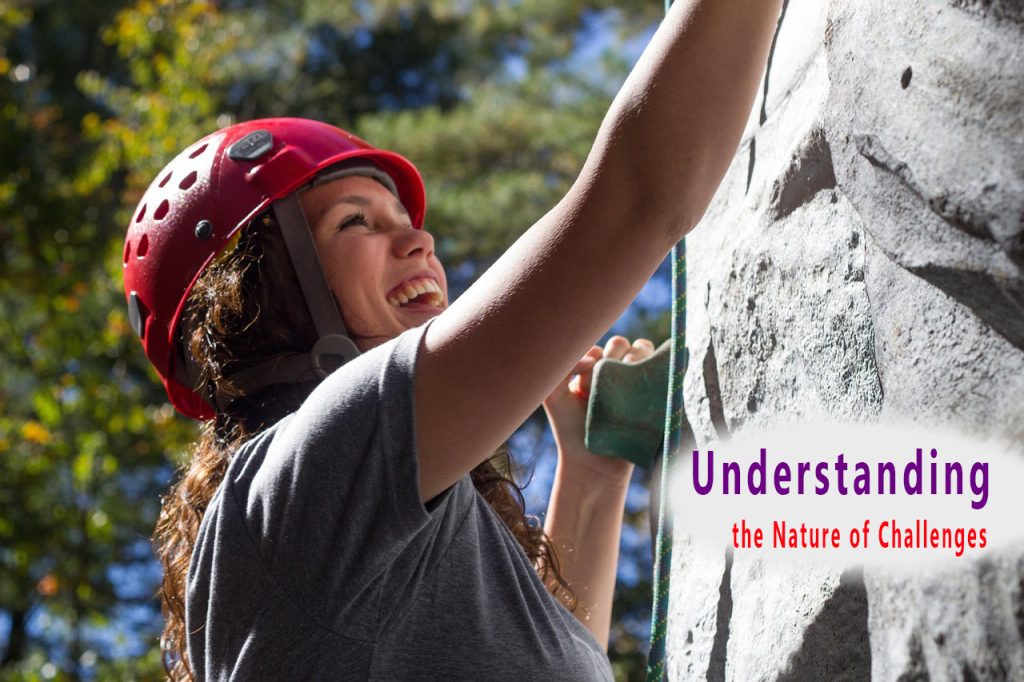
Before transforming obstacles into advantages, it’s crucial to recognize their true nature. Challenges can manifest as unexpected setbacks, difficult decisions, skill gaps, or emotional struggles, each offering an opportunity to grow, learn, and develop resilience.
- Personal struggles: Fear, self-doubt, or emotional setbacks that shake confidence
- Professional hurdles: Missed opportunities, workplace conflicts, or tight deadlines
- Social difficulties: Relationship tensions with family, friends, or community
Acknowledging the presence of challenges without resistance is the first step toward growth. When you stop resisting difficulties and start observing them objectively, you gain insight into potential solutions and hidden opportunities. Every difficulty holds lessons that can shape a stronger, wiser, and more resilient you.
Shifting Mindset & Perspective
The true key to turning hurdles into stepping stones is mindset. By adjusting perspective, obstacles become learning experiences and stepping stones for achievement:
- Adopt a growth mindset: Believe that skills and abilities can improve with consistent effort.
- Reframe setbacks: Mistakes and failures are not signs of weakness but gateways to learning.
- Focus on solutions: Direct energy toward actionable steps rather than dwelling on problems.
- Practice gratitude: Even in tough situations, recognizing small positives can shift perspective.
A resilient mindset doesn’t remove difficulties from life; it equips you to face them with confidence, creativity, and optimism. When approached thoughtfully, even the most daunting challenges provide insights and opportunities that can propel you toward success.
Building Emotional Resilience
Building emotional resilience involves strengthening your ability to cope with stress, adapt to change, and recover from setbacks. By practicing mindfulness, positive self-talk, and reflection, individuals develop inner strength and maintain stability under pressure
Facing obstacles is also a test of emotional strength. Developing resilience allows you to respond calmly under pressure and maintain clarity of thought:
- Self-reflection: Take time to analyze your reactions and feelings toward difficult situations.
- Emotional awareness: Identify triggers and patterns that may amplify stress.
- Coping strategies: Techniques like meditation, journaling, or breathing exercises strengthen mental endurance.
By practicing emotional resilience, setbacks no longer feel like roadblocks; instead, they become platforms for growth and self-improvement.
Seeing Opportunities in Setbacks
It is often in the midst of adversity that creativity and problem-solving skills are most honed. Every obstacle is a chance to explore alternative approaches, innovate, and expand your skill set. Viewing difficulties as opportunities allows you to:
- Develop new skills and competencies
- Gain a deeper understanding of yourself and your environment
- Strengthen perseverance and patience
- Build confidence to tackle future obstacles
When challenges are approached as opportunities rather than threats, your journey becomes one of empowerment rather than struggle.
Summary of Part 1
To begin turning obstacles into stepping stones:
- Recognize challenges as natural and unavoidable aspects of life
- Adjust mindset to focus on growth, learning, and solutions
- Build emotional resilience through reflection and coping strategies
- Seek opportunities hidden within difficulties and setbacks
With the right perspective and strategies, obstacles can become powerful catalysts for growth, success, and personal transformation.
Step-by-Step Strategies to Turn Obstacles into Stepping Stones

Identifying the Core of Each Obstacle
To transform any difficulty into an opportunity, it is crucial first to identify the root cause. Many times, what appears as a major barrier is only a symptom of a deeper issue. By asking critical questions such as:
- What is the main challenge here?
- What factors contributed to this situation?
- What aspects are within my control?
…you can break down the obstacle into manageable parts. When each component is understood clearly, solutions become visible, and the task feels less overwhelming.
Prioritize Actionable Steps
Once the core issue is identified, prioritize actionable steps. Attempting to tackle everything at once can lead to frustration. Instead, focus on:
- Immediate Actions: Small steps that prevent the problem from escalating.
- Short-Term Goals: Achievable objectives that move you closer to resolution.
- Long-Term Strategies: Sustainable changes to avoid similar challenges in the future.
By creating a structured roadmap, obstacles lose their intimidating nature and become stepping stones toward growth.
Developing Problem-Solving Skills
Effective problem-solving is at the heart of turning challenges into success. Strengthen this skill by practicing:
- Brainstorming multiple solutions: Don’t settle for the first answer; explore alternatives.
- Analyzing consequences: Consider the outcomes of each option before taking action.
- Seeking feedback: Sometimes another perspective unveils a solution you hadn’t considered.
- Learning from failures: Each unsuccessful attempt provides valuable lessons for improvement.
With consistent practice, problem-solving becomes a habit, making it easier to approach future obstacles with confidence.
Daily Habits for Consistent Growth
Turning difficulties into stepping stones requires daily intentional habits. Some key practices include:
- Morning reflection: Spend 10–15 minutes planning the day and visualizing solutions to challenges.
- Gratitude journaling: Write down at least three things you’re thankful for, even in tough times.
- Focus blocks: Dedicate uninterrupted time to tackle pressing tasks efficiently.
- Physical activity: Regular exercise reduces stress, improves focus, and boosts mental clarity.
- Evening review: Reflect on the day’s challenges, lessons learned, and areas for improvement.
These habits create a positive feedback loop, turning small daily wins into major long-term successes.
Real-Life Examples of Transformation

Many individuals have transformed difficult situations into powerful success stories. For instance:
- A student failing a major exam may analyze weak points, develop a new study routine, and eventually score top grades.
- An entrepreneur facing a business setback might pivot strategy, innovate product offerings, and grow a stronger enterprise.
- Someone struggling with health challenges may adopt mindful eating and consistent exercise, leading to improved wellness and confidence.
Each of these examples shows that challenges, when approached with focus and determination, become stepping stones rather than obstacles.
Practical Tips for Staying Consistent
Consistency is key when using challenges as tools for growth:
- Track progress visually: Use charts, journals, or apps to measure improvements.
- Break big goals into micro-tasks: Smaller goals reduce overwhelm and maintain motivation.
- Celebrate small wins: Recognition reinforces the habit of taking constructive action.
- Surround yourself with support: Engage mentors, friends, or community members who encourage persistence.
- Maintain flexibility: Adapt plans when circumstances change; resilience comes from adjustment, not rigidity.
By following these strategies consistently, challenges gradually lose their power to intimidate, and instead become opportunities for continuous personal growth.
Strengthening Emotional and Mental Resilience
Facing repeated challenges can be exhausting, which is why mental resilience is essential. Techniques include:
- Mindfulness meditation: Helps maintain calm under pressure.
- Cognitive reframing: Look for hidden lessons or positives in difficult situations.
- Positive self-talk: Replace negative thoughts with affirmations like “I can learn from this” or “This setback is temporary.”
- Stress management techniques: Breathing exercises, physical movement, or short breaks rejuvenate mental energy.
Resilient individuals treat each difficulty as a learning opportunity, gradually building emotional strength and mental agility.
Leveraging Support Networks
No one succeeds in isolation. Sharing challenges with trusted mentors, friends, or family members:
- Offers fresh perspectives
- Provides emotional support
- Encourages accountability
Support networks amplify the power of turning obstacles into success, making the journey less daunting and more sustainable.
Motivation: Seeing Setbacks as Stepping Stones
A key mindset for transformation is viewing every hurdle as a potential stepping stone. Ask yourself:
- What can I learn from this situation?
- How can this experience strengthen me?
- What small step can I take today toward overcoming it?
By consistently asking these questions, challenges shift from being stressful roadblocks to inspirational stepping stones, fueling personal growth and achievement.
Long-Term Benefits of Turning Challenges into Opportunities
Personal Growth and Self-Awareness
When obstacles are approached as learning experiences rather than setbacks, they foster personal growth and self-awareness. Over time, individuals become more adaptable, confident, and emotionally intelligent. Each situation that once seemed intimidating becomes an opportunity to reflect, learn, and improve.
By consistently evaluating how you respond to difficulties, you cultivate a deeper understanding of your strengths, weaknesses, and patterns of behavior. This heightened self-awareness not only empowers decision-making but also enhances relationships, career development, and overall well-being.
Strengthening Problem-Solving and Critical Thinking Skills
Long-term exposure to challenges enhances problem-solving and critical thinking skills. Each difficulty requires analyzing situations, brainstorming solutions, and assessing outcomes. Over time, this habitual practice creates mental agility, enabling you to:
- Make better decisions under pressure
- Anticipate potential obstacles in future endeavors
- Develop innovative approaches to recurring problems
- Build confidence in your ability to navigate uncertainty
This skillset becomes invaluable in both professional and personal life, turning hurdles into tools for long-term success.
Emotional Resilience and Stress Management
Consistently turning challenges into growth opportunities strengthens emotional resilience. Individuals learn to:
- Manage stress effectively through proactive coping strategies
- Stay calm during unforeseen events
- Maintain perspective and avoid overreacting to minor setbacks
By embracing obstacles as opportunities for growth, emotional stress diminishes over time. The capacity to respond thoughtfully rather than react impulsively becomes a lifelong advantage, enhancing both mental health and interpersonal relationships.
Advanced Strategies for Consistent Success
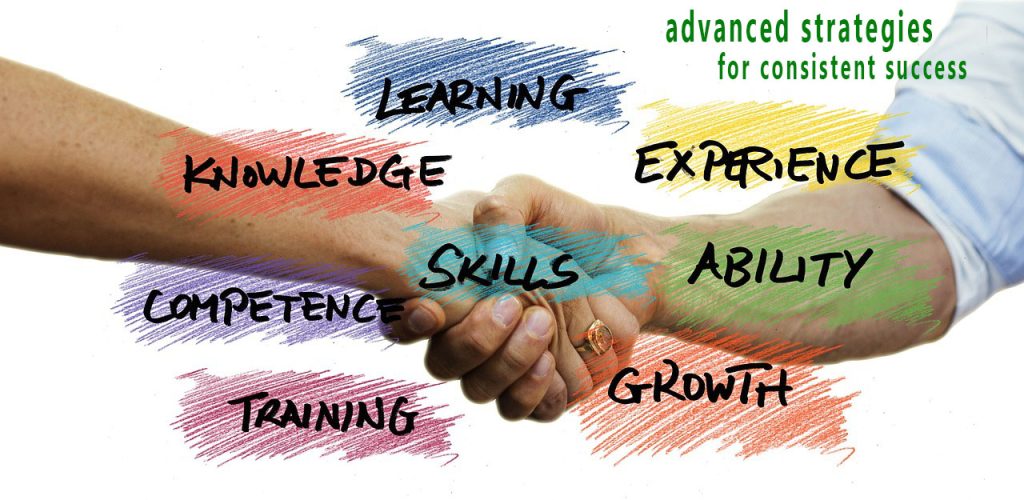
Setting Long-Term Goals and Milestones
A key component of transforming challenges into stepping stones is strategic goal-setting. Breaking large objectives into manageable milestones allows you to measure progress, stay motivated, and adjust strategies as needed. Consider the following framework:
- Visioning: Define your ultimate goal clearly, focusing on what success looks like in tangible terms.
- Milestones: Break the goal into smaller, actionable targets to track achievements.
- Action Plan: Develop a detailed plan for each milestone, identifying resources, timeframes, and potential obstacles.
- Review and Reflect: Regularly assess progress, celebrate successes, and adjust plans when necessary.
Building Consistent Habits for Success
Consistency transforms effort into achievement. By creating daily routines that reinforce growth, obstacles are no longer feared but embraced as part of the journey. Effective habits include:
- Morning routines: Visualization, journaling, or meditation to prepare mentally for the day
- Focused work sessions: Dedicated periods for deep concentration on goals
- Reflection and journaling: Reviewing progress and identifying lessons learned
- Regular evaluation of outcomes: Adjusting methods to ensure efficiency and growth
Through consistent practice, these routines gradually build momentum, making it easier to navigate challenges effectively.
Overcoming Setbacks and Maintaining Motivation
Accepting Failure as a Learning Tool
Failure is inevitable when pursuing ambitious goals. However, reframing setbacks as learning opportunities is critical for long-term success. Instead of viewing failure as a negative reflection of ability, consider it as:
- Feedback on what doesn’t work
- A chance to explore alternative strategies
- A step closer to achieving mastery
By embracing failure, you normalize challenges and reduce fear, fostering a growth-oriented mindset that sustains motivation.
Staying Motivated During Difficult Times
Maintaining motivation in the face of prolonged obstacles is a common challenge. Effective strategies include:
- Visual reminders of progress: Charts, notes, or milestones serve as tangible evidence of achievements.
- Accountability partners: Friends, mentors, or coaches help maintain focus and encouragement.
- Reward systems: Recognize small wins to sustain morale and reinforce effort.
- Inspirational resources: Books, podcasts, or stories of individuals who overcame adversity provide perspective and drive.
Motivation, when consistently nurtured, becomes a self-sustaining force that enables individuals to persist through challenges without losing direction.
Building Resilience and Emotional Strength

Mental Flexibility and Adaptability
Resilient individuals develop mental flexibility, allowing them to pivot strategies when circumstances change. Life rarely follows a predictable path, and the ability to adapt ensures:
- Continuity toward goals despite setbacks
- Innovative problem-solving under pressure
- Reduced stress when facing unexpected changes
Practices such as scenario planning, mindfulness, and open-minded reflection foster adaptability, turning unpredictable events into opportunities for growth.
Cultivating Emotional Intelligence
Emotional intelligence (EQ) is essential for sustaining long-term success. By understanding and managing emotions effectively, individuals can:
- Navigate interpersonal conflicts gracefully
- Communicate assertively and empathetically
- Recognize emotional triggers and respond thoughtfully
- Support others during challenging moments
Enhanced EQ strengthens relationships, improves leadership skills, and creates a foundation for thriving personally and professionally.
Mindfulness and Stress Management Techniques
Advanced mindfulness practices help maintain balance and clarity during challenging periods:
- Guided meditation: Focused breathing and visualization for stress reduction
- Body scans: Awareness of tension and relaxation techniques to prevent burnout
- Mindful journaling: Reflecting on emotional experiences and extracting lessons
These practices reinforce mental and emotional resilience, ensuring that obstacles are viewed as temporary challenges rather than permanent barriers.
Incorporating Life Lessons into Daily Routine

Reflection and Continuous Improvement
Turning challenges into stepping stones is not a one-time activity—it’s a continuous process. Daily reflection allows you to:
- Extract meaningful lessons from experiences
- Adjust behaviors and strategies accordingly
- Recognize patterns that hinder or facilitate growth
By incorporating reflection into routine, challenges become a consistent source of learning and empowerment.
Habitual Learning and Skill Development
Obstacles often highlight areas for improvement. Use challenges as opportunities to acquire new skills, knowledge, and competencies:
- Take courses or workshops relevant to recurring challenges
- Develop soft skills like communication, negotiation, and emotional regulation
- Engage in problem-solving exercises or real-world projects
The habit of continuous learning ensures that each difficulty directly contributes to long-term growth.
Mentorship and Community Support
Seeking guidance and feedback from mentors or communities provides perspective, encouragement, and practical solutions. Collaborative problem-solving fosters shared learning and accelerates progress.
Sustaining Growth and Mindset Shifts
Reinforcing Positive Mindsets
Mindset determines the way challenges are approached. Sustaining a positive, growth-oriented mindset requires:
- Daily affirmations and visualization
- Surrounding yourself with supportive, like-minded individuals
- Avoiding negative self-talk and limiting beliefs
Over time, a growth mindset becomes second nature, enabling individuals to embrace even unexpected obstacles as opportunities.
Long-Term Planning and Goal Adjustment
Sustained success requires flexibility in goals and strategies:
- Regularly review objectives and progress
- Adjust plans based on lessons learned from challenges
- Incorporate feedback from trusted advisors or personal reflection
By actively adjusting goals and strategies, obstacles become navigable rather than obstructive, leading to consistent achievement.
Celebrating Achievements and Milestones

Recognizing accomplishments—big or small—strengthens confidence and reinforces positive behavior. Practices include:
- Maintaining a “success journal” documenting wins and lessons
- Hosting personal or team celebrations for milestones
- Reflecting on growth over time to visualize long-term progress
Celebration nurtures motivation, self-esteem, and the willingness to embrace future challenges.
Conclusion: Transforming Life Through Challenges
Turning obstacles into stepping stones is a lifelong practice. By adopting growth-oriented mindsets, developing resilience, embracing continuous learning, and maintaining consistent habits, individuals can convert every difficulty into an opportunity for success.
Key Takeaways:
- Obstacles are opportunities in disguise; mindset shapes perception
- Consistent habits, reflection, and learning turn setbacks into growth
- Emotional resilience, flexibility, and mindfulness are critical for long-term success
- Mentorship, community support, and accountability accelerate progress
- Celebrating achievements reinforces confidence and motivation
By integrating these strategies into daily life, challenges become tools for personal growth, skill development, and meaningful achievement, empowering individuals to thrive in all areas of life.