Introduction
Staying healthy in 2026 does not necessarily require an expensive gym membership, a strict diet, or a complicated workout plan. In many cases, better health begins with ordinary choices repeated consistently throughout the day.13 Everyday Fitness Habits That Can Transform Your Health in 2026
The way you walk, eat, sleep, rest, and manage your daily routine can gradually influence your energy, physical fitness, mood, and overall well-being. The real challenge is not always knowing what is healthy. It is turning healthy choices into habits that can realistically fit into everyday life.
That is why everyday fitness habits are so valuable. Instead of trying to change everything overnight, you can introduce a few practical behaviors and allow them to become part of your normal routine.
Physical activity can support heart health, mental well-being, healthy aging, and the management of several chronic health risks. Even relatively simple ways of becoming more active can contribute to better health when practiced regularly.
Here are 13 practical fitness and wellness habits you can build into your lifestyle in 2026.
1.start your day with a few minutes of movement
You do not need to begin your morning with an intense workout.
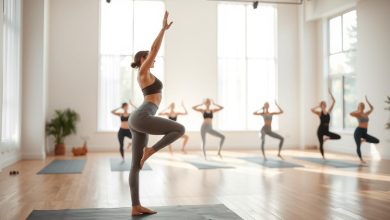
A few minutes of gentle movement can be a much easier starting point. Try walking around your home, performing light mobility exercises, stretching your arms and legs, or doing a few bodyweight movements.
The goal is to avoid spending the first part of your day completely inactive.
Morning movement can also become a useful psychological signal that tells you the day has started. Once this habit becomes familiar, you may find it easier to add more activity later.
Simple idea: Begin with 5–10 minutes and increase the duration when it feels comfortable.13 Everyday Fitness Habits That Can Transform Your Health in 2026
2.Turn walking into a daily fitness habit
Walking is one of the easiest forms of physical activity because it requires little equipment and can be adapted to different lifestyles.
Instead of thinking of walking only as exercise, look for opportunities to add more steps naturally. Walk during a lunch break, take the stairs when appropriate, walk while talking on the phone, or take a short walk after dinner.
You do not have to make every walk long or fast. Consistency matters more than making every session difficult.
Regular physical activity is associated with benefits for physical and mental health, and walking can be a practical way for many people to become more active.
Simple idea: Start with a 10–15 minute walk and gradually build from there.
3.Add strength training to your week
Fitness goes beyond weight loss and building endurance. Building and maintaining muscle is another important part of staying physically capable. 13 Everyday Fitness Habits That Can Transform Your Health in 2026
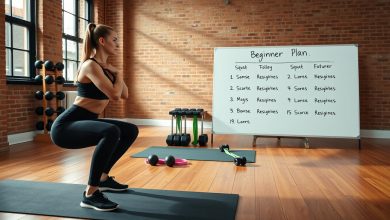
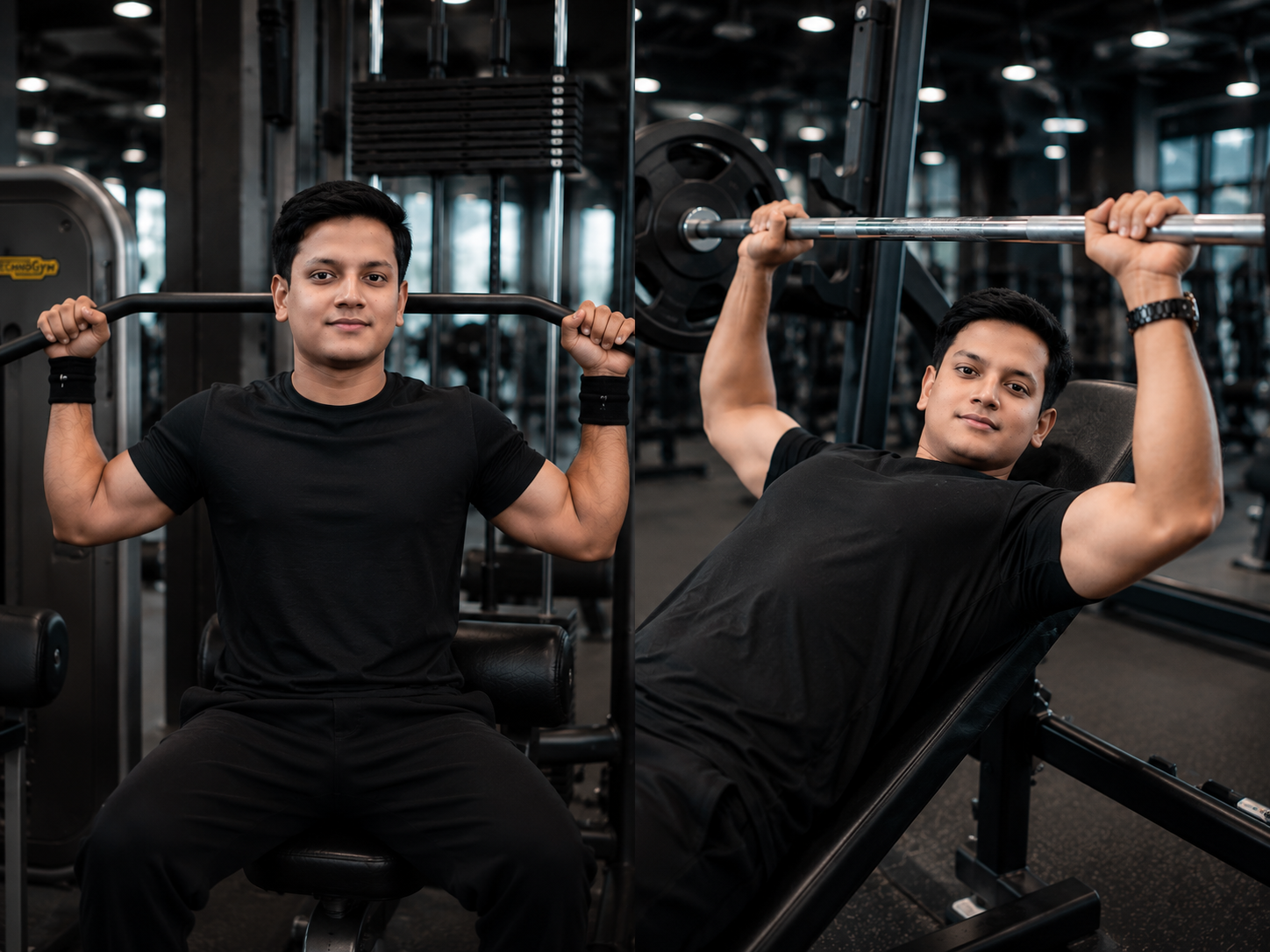
Strength workouts can be done with your own body weight , resistance bands, or free weights .
Beginners can start with simple movements such as squats, wall push-ups, lunges, or other exercises appropriate to their ability.
Getting stronger doesn’t require a workout routine designed for professional athletes. The objective is to gradually improve strength and make everyday physical tasks easier.
A balanced fitness routine can include aerobic activity, muscle-strengthening work, and flexibility or mobility exercises.
Simple idea: Begin with two short strength sessions per week and focus on learning good movement patterns.
4. Make stretching part of your routine
Many people remember exercise but forget mobility.
Sitting for long periods can leave your body feeling stiff, particularly around the hips, shoulders, neck, and back. A few minutes of gentle stretching can be an easy way to introduce more movement into your day.
Rather than creating a complicated stretching program, choose a few comfortable movements and practice them consistently.
You can stretch after a walk, following a workout, or during a break from your desk.
Simple idea: Connect stretching with an existing habit, such as after waking up or before taking a shower.
5.Build meals around nutritious foods

Fitness does not happen only during exercise. Your everyday food choices also influence how you feel and function.
A practical approach is to make nutritious foods a regular part of your meals. Fruits, vegetables, whole grains, beans, lean protein sources, nuts, and other minimally processed foods can help create a balanced eating pattern.
You do not need to label every food as “good” or “bad.” Instead, focus on improving the overall quality of your meals. 13 Everyday Fitness Habits That Can Transform Your Health in 2026
The 2026 CDC National Nutrition Report also highlights the importance of nutritional status and shows that there is still room for improvement in several areas of dietary intake.
Simple idea: Before changing your entire diet, add one nutritious food to a meal you already enjoy.
6.Keep water easily available
Hydration is another simple habit that is easy to overlook when you become busy.
Keeping a water bottle nearby can make drinking water more convenient throughout the day. You can also create reminders around existing activities, such as drinking water when you wake up, before meals, or after physical activity.
Your individual fluid needs can vary depending on factors such as activity, environment, age, and health status, so avoid assuming that one exact amount is appropriate for everyone.
Simple idea: Carry a reusable water bottle so water is available when you need it.
7.Protect your sleep schedule
A healthy routine should not treat sleep as something optional.
Your body needs adequate rest to recover from daily activity, and poor sleep can make it harder to maintain energy and healthy routines.
Try to keep your bedtime and wake-up time reasonably consistent. A relaxing nighttime routine can also help you transition away from work, entertainment, and constant notifications.
The Washington University guidance on healthy habits for 2026 similarly emphasizes consistent sleep and creating a more restful nighttime environment. 13 Everyday Fitness Habits That Can Transform Your Health in 2026
Simple idea: Choose a regular time to start winding down instead of waiting until you are already exhausted.
8.break up long periods of sitting
You can exercise regularly and still spend much of the day sitting.
If your work or study requires long hours at a computer, look for small opportunities to interrupt that inactivity. Stand up, walk around the room, stretch, refill your water bottle, or perform another light activity.
These short movement breaks may seem insignificant individually, but they can make your daily routine more active.
Simple idea: Whenever you finish a task, use the opportunity to stand and move for a few minutes.
9.Spend more time outside
Outdoor activity can make exercise feel less repetitive.
Walking in a park, spending time in an open area, gardening, cycling, or simply taking a short outdoor break can give you a reason to move while also providing a change of environment.
You can make outdoor movement social as well. Invite a friend or family member to walk with you rather than treating every fitness activity as something you must do alone.
Simple idea: Replace one short period of indoor screen time with an outdoor walk.
10.Reduce unnecessary screen time
Technology is useful, but hours of uninterrupted screen use can easily become part of modern daily life.
The goal does not have to be eliminating screens. Instead, identify moments when scrolling is happening automatically rather than intentionally.
For example, you might keep your phone away during meals, take screen-free breaks, or stop browsing shortly before bedtime.
Reducing unnecessary screen time can also create space for activities that support movement, rest, social connection, or hobbies.
Simple idea: Choose one specific part of the day as a screen-free period.
11.Make healthy choices easier
One of the smartest ways to develop everyday fitness habits is to improve your environment.
If healthy choices require too much effort while unhealthy choices are always convenient, maintaining your routine becomes harder.
Keep simple nutritious foods available. Put your walking shoes somewhere visible. Prepare exercise clothes in advance. Keep a water bottle on your desk.
Simple idea: Prepare tomorrow’s fitness essentials before going to bed. A supportive environment can make it easier to stick with healthy habits.
12.Track progress without becoming obsessed
Tracking can help you understand whether your habits are becoming consistent.
You might record your walks, workouts, sleep schedule, water intake, or the number of days you completed a particular habit.
However, tracking should support your routine rather than create unnecessary pressure.
Missing one day does not erase your previous progress. The important thing is to return to the habit instead of deciding that the entire plan has failed.
Simple idea: Track only two or three habits at first rather than trying to measure everything.
13.Focus on consistency instead of perfection
Perhaps the most important fitness habit is learning to continue even when your routine is not perfect.
Some days will be busy. You may miss a workout, eat differently than planned, sleep poorly, or simply have less energy.
That does not mean you have failed.
A sustainable routine allows flexibility. If you cannot complete a 45-minute workout, you might walk for 15 minutes. If you cannot prepare a complicated meal, choose a simpler nutritious option.
The goal is to create habits that can survive ordinary life.
Healthy living is generally more sustainable when small actions become repeatable parts of your routine rather than temporary challenges. PartnerMD’s 2026 guidance also emphasizes consistency and realistic changes rather than attempting to completely overhaul daily life at once.
How to build these fitness habits without feeling overwhelmed
Trying all 13 habits on the same day may sound motivating, but it can quickly become difficult.
Instead, start with two or three.
For example:
Week 1:
Walk for 10–15 minutes and drink more water.
Week 2:
Continue walking and add a short stretching routine.
Week 3:
Introduce two simple strength-training sessions.
Week 4:
Improve your sleep schedule and reduce unnecessary screen time.
Once these behaviors become easier, you can gradually add other habits.
This approach gives your routine time to develop naturally instead of making your health goals feel like another source of pressure.
A simple 2026 fitness routine
You can combine several of these habits into one realistic daily schedule.
Morning:
Start with a few minutes of movement and drink some water.
During work or study:
Take short movement breaks instead of remaining seated for hours.
Afternoon:
Choose a nutritious meal and take a short walk when possible.
Evening:
Do a light workout, stretching session, or relaxed walk depending on your schedule.
Before bed:
Reduce unnecessary screen use and begin your nighttime routine at a consistent time.
This does not need to be your exact schedule. The best routine is the one that fits your responsibilities and that you can maintain.
Why small fitness habits matter in 2026
Modern life makes inactivity surprisingly easy. Many people can work, study, shop, communicate, and entertain themselves without moving very much.
That is why everyday movement matters.
You do not need to become a professional athlete to improve your fitness. You simply need to create more opportunities for healthy behavior and repeat them often.
Regular physical activity has been linked with better physical functioning, mental well-being, sleep, and lower risk of several chronic conditions.
The same principle applies to nutrition and other lifestyle choices. A single healthy meal will not transform your health, just as one missed workout will not destroy it.
Final thoughts
Improving your health in 2026 does not have to begin with a dramatic transformation.
Start with something manageable.
Walk a little more. Stretch regularly. Add strength training. Choose nutritious foods more often. Drink water throughout the day. Protect your sleep. Take breaks from sitting. Spend time outside. And most importantly, give yourself permission to progress gradually.
The best everyday fitness habits are not necessarily the most difficult ones. They are the habits you can continue when life becomes busy.
Your goal should not be to create a perfect lifestyle. Build a realistic one that helps you move more, recover better, eat thoughtfully, and feel stronger over time.
Small decisions may seem ordinary today, but repeated consistently, they can become the foundation of a healthier 2026 and a healthier future.