Exploring career guidance can feel daunting, especially for students planning their futures. Looking back, I see how vital the right advice is. It helps in making smart choices about your academic and professional life.
In this article, I’ll share my best advice on using student career development resources. By finding what you love and what you’re good at, and by looking into different career paths, you can pave your way to success.
Key Takeaways
- Understand the importance of career guidance in making informed decisions.
- Identify your interests and strengths to explore relevant career paths.
- Research potential career paths to determine the best fit.
- Utilize available resources to support your career development.
- Develop a plan to achieve your career goals.
Understanding the Importance of Career Guidance
As students move through their school years, knowing about career guidance is key to their success. It’s not just about picking a job. It’s about giving students the tools and confidence to make smart choices for their future.
Good career guidance shows students their strengths and what they enjoy. It helps them find careers that fit. It also gets them ready for the job world by showing them what skills are needed and how to grow in their career.
Why Career Guidance Matters for Students
Career guidance is important because it connects school learning to real-world jobs. It helps students see how their school work and activities can lead to career chances.
It also lets students look at different jobs, learn what education is needed, and plan for their career goals.
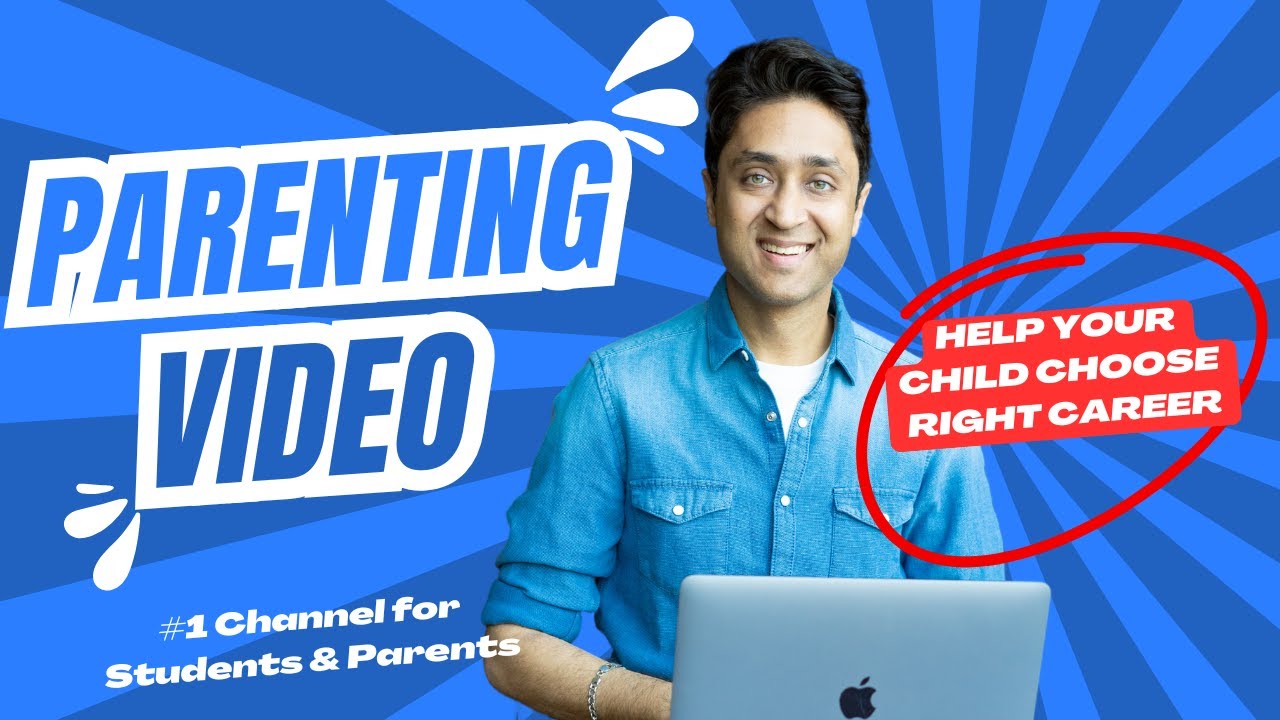
The Role of Career Guidance in Education
Career guidance plays a big role in schools. It helps students grow in their careers and makes learning more meaningful and fun.
By adding career guidance to school, places can get students ready for work. This leads to better student results and a more skilled workforce.
| Benefits of Career Guidance | Description |
|---|---|
| Informed Career Choices | Helps students make informed decisions about their career paths based on their interests, skills, and market demands. |
| Enhanced Employability | Prepares students for the workforce by developing their skills, resume, and interview techniques. |
| Personal Development | Fosters personal growth by helping students set and achieve career goals, building confidence and self-esteem. |
Identifying Your Interests and Strengths
Understanding your interests and strengths is key to finding the right career. This self-awareness helps you make smart choices. It also ensures your career matches your passions and skills.

Self-Assessment Tools to Discover Passions
Self-assessment is the first step to finding your true calling. Self-assessment tools offer insights into your personality, interests, and strengths. These tools include online quizzes and detailed career assessments.
Some popular tools include:
- Interest inventories
- Skills assessments
- Personality tests
Personality Tests: A Useful Resource
Personality tests help understand your behavior and preferences. They show which careers match your personality. For example, the Myers-Briggs Type Indicator (MBTI) sorts people into different types based on their preferences.
| Personality Test | Description | Career Insights |
|---|---|---|
| Myers-Briggs Type Indicator (MBTI) | Categorizes individuals into 16 personality types | Helps identify suitable careers based on personality type |
| Big Five Personality Traits | Assesses openness, conscientiousness, extraversion, agreeableness, and neuroticism | Provides insights into work behavior and team dynamics |
Skills Inventory: What Are Your Key Abilities?
A skills inventory lists your skills and rates them. This helps find your main abilities and areas for growth.
To make a skills inventory, list your skills and rate them. Use the table below as a guide:
| Skill | Proficiency Level | Interest Level |
|---|---|---|
| Communication | High | High |
| Problem-solving | Medium | High |
| Teamwork | High | Medium |
Knowing your interests and strengths helps in choosing a career. Use self-assessment tools, personality tests, and skills inventories for valuable insights.
Researching Potential Career Paths
Exploring different career paths is key to student career planning. It helps me understand the job market better. This way, I can make smart choices about my future.

Exploring Different Industries
Looking into various industries is a crucial step. I examine sectors like tech, healthcare, finance, and education. This helps me learn about the jobs and what they need.
I use online tools like reports and analytics to see what’s trending. This gives me a clear view of where each industry is headed.
The Value of Informational Interviews
Talking to professionals in my field is very helpful. Through informational interviews, I get real insights. They share their daily tasks, challenges, and tips for getting started.
- Prepare a list of questions to ask during the interview.
- Take notes and follow up with a thank-you note.
- Use the insights gained to inform my career decisions.
Online Resources for Career Exploration
There are many online tools for exploring careers. These include job sites, career quizzes, and networking platforms.
Some top online resources are:
| Resource | Description |
|---|---|
| O*NET | A comprehensive database of occupational information. |
| A professional networking site for connecting with industry professionals. | |
| CareerOneStop | A website providing resources for job seekers, including resume building and interview preparation. |
Setting Career Goals
Setting career goals is a key step for students aiming for a fulfilling career. By setting clear objectives, students can map out their career path. This helps them stay focused and motivated.
Looking back, I see how setting both short-term and long-term goals was vital. Short-term goals give immediate direction and motivation. Long-term goals offer a broader vision for the future.
Short-Term vs. Long-Term Goals
It’s important to know the difference between short-term and long-term goals. Short-term goals are achievable in less than a year. They are stepping stones to long-term goals, which may take years to reach.
- Short-term goals might include completing an internship or gaining a specific skill.
- Long-term goals could involve reaching a certain position in a company or achieving a leadership role.
To make these goals effective, they should be SMART: Specific, Measurable, Achievable, Relevant, and Time-bound.
SMART Goals: Making Them Work for You
Creating SMART goals involves several key steps:
- Specific: Clearly define what you want to achieve.
- Measurable: Quantify your goal so progress can be tracked.
- Achievable: Ensure the goal is realistic based on your resources and constraints.
- Relevant: Align your goal with your broader career aspirations.
- Time-bound: Set a specific deadline for achieving your goal.

Adjusting Goals as You Evolve
As students progress in their careers, their goals may need to change. It’s crucial to regularly review and update your goals. This reflects any changes in your career aspirations or circumstances.
By being flexible and willing to adjust your goals, you can keep your career path aligned with your evolving interests and strengths. This leads to student career success.
Building a Professional Network
As a student, building a professional network can open doors to new opportunities. A professional network is a valuable resource. It provides guidance, support, and access to industry insights.

Importance of Networking in Career Success
Networking is key to career success. It lets students connect with professionals in their field. They can get advice and learn about new trends and opportunities.
Key benefits of networking include:
- Access to industry insights and trends
- Opportunities for mentorship and guidance
- Potential job opportunities and internships
- Enhanced career prospects and visibility
How to Connect with Professionals
There are many ways to connect with professionals. Attending industry events, conferences, and job fairs is a good start. Joining professional organizations and networking groups can also help expand your network.
Effective ways to connect with professionals include:
- Reaching out to alumni from your university
- Participating in industry-specific conferences
- Engaging in online forums and discussions related to your field
Utilizing Social Media for Networking
Social media platforms are great for networking. By creating a professional online presence, students can connect with industry professionals. They can join relevant groups and engage in discussions.
Tips for utilizing social media for networking:
- Create a professional profile on platforms like LinkedIn
- Join industry-specific groups and discussions
- Engage with professionals by commenting and sharing relevant content
By building a professional network, students can gain valuable insights and advice. This enhances their career prospects. Networking is a crucial skill for student career development. It sets a strong foundation for future success.
Gaining Relevant Experience
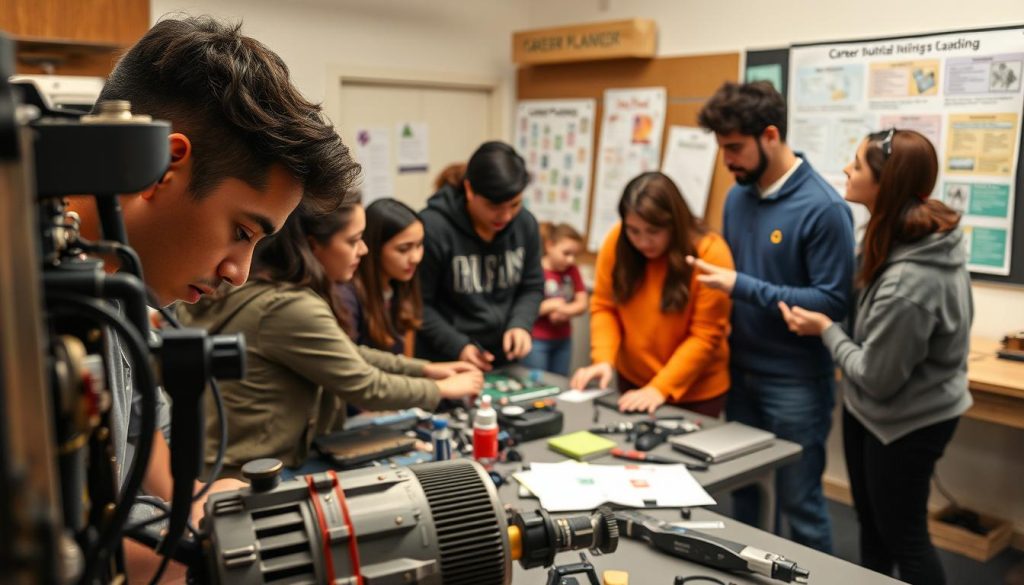
Students can boost their career chances by getting relevant experience. This experience improves their skills and helps them make valuable connections in their field.
Internships: Finding the Right Fit
Internships let students use what they’ve learned in real-life situations. They get practical experience and see how industries work. It’s a big part of student career exploration.
When looking for internships, students should think about what they’re interested in. They should also consider their skills and future career plans to find the best match.
Volunteering as a Career Launchpad
Volunteering is a great way for students to gain experience. It helps the community and lets students learn new skills. It also helps them build their professional network.
Through volunteering, students can try out different career paths. They get to see what their chosen field is like. This is a key part of career counseling for students.
Part-Time Jobs: Building Skills and Connections
Part-time jobs let students work and study at the same time. They help students manage their time better and build their professional network. They also make their resume stronger.
By picking part-time jobs related to their studies, students can apply what they’ve learned. They also make important connections.
In conclusion, getting relevant experience through internships, volunteering, and part-time jobs is key for students. It improves their career chances, builds their network, and gives them the skills to succeed.
Creating an Effective Resume
As a student, making a great resume is your first step to a successful career. A well-made resume shows off your achievements and skills. It also shows your potential to employers.

Key Components of a Winning Resume
A winning resume has a few key parts. First, it needs a clear professional summary that talks about your career goals and experience. Then, it lists your education and relevant coursework, highlighting any special achievements or projects.
Don’t forget to include any work experience, internships, or volunteer work. This shows your skills and character.
It’s also important to highlight your skills, both hard and soft. This could be software skills, languages, or teamwork abilities.
Tailoring Your Resume for Different Roles
It’s key to tailor your resume for different jobs. This means customizing your resume to fit the job’s needs. Use keywords from the job description to describe your skills and experiences.
To tailor your resume, analyze the job description carefully. Look for the key qualifications and responsibilities. Then, adjust your resume to show how your skills match these needs.
Common Mistakes to Avoid in Your Resume
Avoiding common mistakes is as important as including the right info. Typos and grammatical errors can make you seem careless. Also, make sure the info you include is relevant to the job.
Don’t overuse buzzwords or clichés. Instead, focus on specific achievements and outcomes that show your capabilities and impact.
By focusing on these points, you can make a resume that showcases your skills and sets you up for success. Use student career planning and student career services to help you.
Preparing for Job Interviews
Getting ready for a job interview is a key step for students aiming to land their dream job. The job market is tough, so students need to impress potential employers. Being well-prepared is crucial.
Research: Knowing Your Potential Employer
Researching the company is a vital step in interview prep. Students should learn about the company’s mission, values, and what they offer. This shows they’re interested and their skills match the job.
Check the company’s website, social media, and news to get a feel for their culture and projects.

Common Interview Questions and Answers
Knowing common interview questions is important. Students should think about answers to questions like “Why do you want to work here?” or “What are your strengths and weaknesses?” Practicing these answers makes students feel more confident and clear.
- Look up common interview questions for your field.
- Think of examples from your past that show your skills and achievements.
- Use the STAR method (Situation, Task, Action, Result) to structure your answers.
Tips for Confidence and Presentation
Being confident and presenting well is key to a good impression. Students should work on their body language, tone, and dressing for the interview. Practicing mock interviews helps improve these skills and boosts confidence.
By following these tips and preparing well, students can greatly improve their chances in job interviews. This leads to better career success for students.
Utilizing Career Services and Resources
Students should use various career services and resources to enhance their academic journey. These tools offer guidance, support, and insights. They help students navigate their career paths effectively.
On-Campus Career Centers: Your Ally
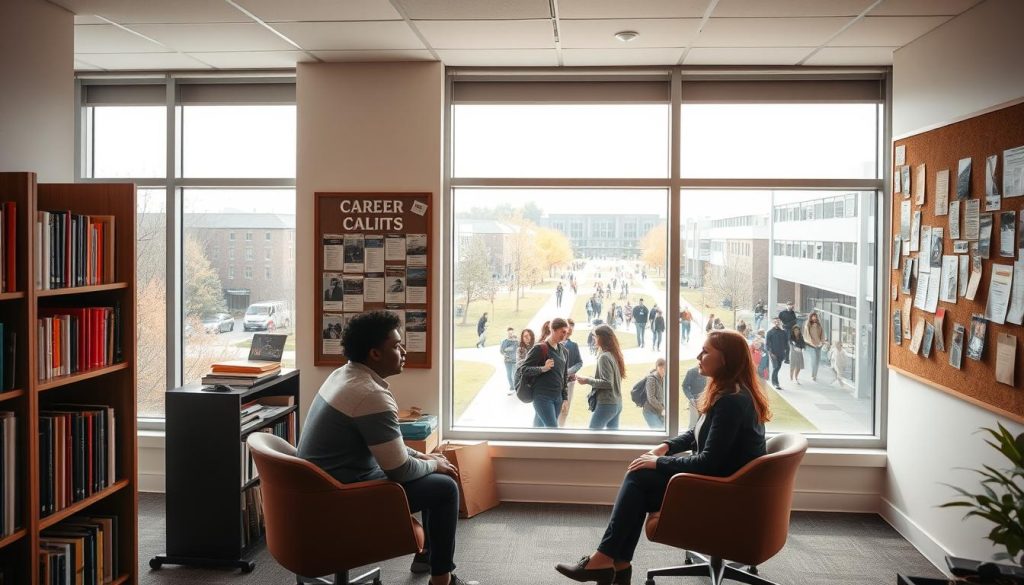
On-campus career centers are full of information and help for students. They provide services like resume building, interview prep, and job search tips. Using these resources can give students an edge in the job market.
- Resume review and critique
- Mock interviews
- Job and internship listings
- Career fairs and networking events
Online Platforms for Career Guidance
Online platforms are key in today’s digital world for career guidance. Websites and apps have lots of info on careers, job trends, and skills. Students can use these to learn more and keep up with industry needs.
Some popular online resources include:
- Career assessment tools
- Job search platforms
- Professional networking sites
- Online courses and tutorials
Professional Workshops and Seminars
Professional workshops and seminars are also valuable for students. They offer chances to learn from experts, network, and understand the latest trends.
By going to these events, students can:
- Develop new skills
- Expand their professional network
- Enhance their understanding of the industry
In conclusion, using career services and resources is crucial for student career development. By using on-campus centers, online platforms, and workshops, students can get the support they need to reach their career goals.
The Importance of Lifelong Learning
The job market is changing fast, and students need to keep learning. Today, lifelong learning is key for student career success and student career readiness.

Learning doesn’t stop after school. It’s just the start of a lifelong journey. We must keep learning, improving our skills, and adapting to new things.
Continuous Education and Skill Development
Staying current in the job market is crucial. We can do this through online courses, workshops, and certifications. These help us grow our skills and explore new areas.
By doing this, we become more employable and can move up in our careers. It’s about taking control of our learning to meet our profession’s needs.
Pursuing Certifications and Advanced Degrees
Getting certifications and advanced degrees is important. They show our dedication to our field and make us more appealing to employers.
Qualifications like a master’s degree or professional certifications can give us an edge. They open new opportunities and make us stand out in the job market.
Staying Updated with Industry Trends
Keeping up with industry trends is essential. We can do this by following leaders, going to conferences, and joining webinars. This helps us stay informed and adapt quickly.
By staying ahead, we can predict changes and keep adding value to our work. This approach boosts our career prospects and prepares us for the future.
In summary, lifelong learning is a smart choice for student career success. By always learning, getting more qualifications, and following industry trends, students can secure their place in a changing job market.
Evaluating Job Offers and Making Decisions
As I near the end of my student career planning journey, I must carefully evaluate job offers and make informed decisions. This critical step can significantly impact my future career success.
When considering a job offer, several key factors come into play. I must assess the salary, benefits, company culture, and opportunities for growth. Career counseling for students has prepared me to weigh these factors and make a decision that aligns with my career goals.
Assessing the Offer
I will examine the job description, responsibilities, and expectations to ensure they align with my skills and interests. Researching the company’s reputation, work environment, and values is also crucial.
Negotiation and Decision-Making
If necessary, I will negotiate the salary and benefits. Understanding my worth and being confident in my negotiation skills is vital. Ultimately, I must decide whether to accept or decline the offer based on my evaluation.
By carefully evaluating job offers and making informed decisions, I can set myself up for success in my chosen career path.
FAQ
What is career guidance, and why is it essential for students?
Career guidance helps students find their strengths and interests. It’s key for making smart choices about their future. It prepares them for the job market.
How can I identify my interests and strengths?
Use self-assessment tools like personality tests and skills inventories. They help find your passions and abilities. This guides your career choices.
What are some effective ways to research potential career paths?
Explore different industries and conduct informational interviews. Online resources are also helpful. They give you a deep understanding of your career options.
How do I set SMART career goals?
Make sure your goals are Specific, Measurable, Achievable, Relevant, and Time-bound. This creates a clear plan for your career growth.
Why is building a professional network important for career success?
A professional network connects you with industry experts. It offers valuable advice and opens up new opportunities. It’s crucial for career advancement.
What are some ways to gain relevant experience?
Try internships, volunteering, and part-time jobs. These experiences build your skills and connections. They’re essential for your future career.
How can I create an effective resume?
Include important details, tailor it for each job, and avoid mistakes. A good resume boosts your chances of getting an interview.
What are some tips for preparing for job interviews?
Research the company, practice interview questions, and work on your confidence. Being well-prepared increases your chances of success.
How can I utilize career services and resources?
Use on-campus career centers, online platforms, and workshops. They offer valuable advice and support. They help you achieve your career goals.
Why is lifelong learning important for career development?
Lifelong learning keeps you updated and committed to learning. It helps you stay competitive and achieve long-term success.
How do I evaluate job offers and make decisions?
Consider important factors, negotiate salary, and know when to accept or decline. Making informed decisions is crucial for your career.
What are some student career development resources?
Career counseling, job fairs, and online platforms are available. They provide guidance and support for your career journey.
How can I stay updated with industry trends?
Attend workshops, follow industry leaders on social media, and read publications. Staying informed is key to success.