

Starting a career in online promotion doesn’t require a big budget. This guide highlights accessible learning paths tailored for newcomers. Whether you want to master social media strategies, SEO basics, or email campaigns, free resources can help you build foundational skills.
We’ve curated programs from trusted platforms like SC Training, Google, and Coursera. These options provide structured lessons, hands-on projects, and industry-recognized certifications. You’ll learn how to analyze data, create engaging content, and understand consumer behavior—all critical for success in this field.
Choosing the right program depends on your goals and schedule. Some focus on bite-sized lessons for busy learners, while others dive deep into specialized topics. By the end of this guide, you’ll know which high-quality courses align with your ambitions and how to start learning immediately.
Key Takeaways
- Discover free, accredited programs from leading platforms.
- Compare course structures to match your learning preferences.
- Gain practical skills like SEO and content creation.
- Learn about certification options to boost your resume.
- Identify time-efficient courses for flexible study.
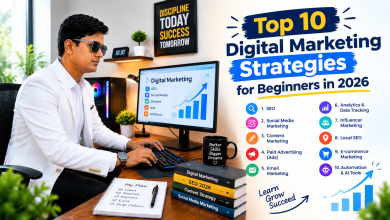
Introduction to Digital Marketing
The internet has reshaped how companies interact with their audience. Instead of relying on print ads or billboards, businesses now use websites, social media, and search engines to connect with customers. This approach isn’t just trendy—it’s essential. Over 80% of consumers research products online before buying, making a strong digital marketing strategy critical for visibility.
Traditional methods like TV commercials or direct mail struggle to match the precision of online campaigns. Why? Digital tools let you target specific demographics, track results in real time, and adjust strategies instantly. For example:
| Channel | Reach | Cost Efficiency |
|---|---|---|
| Social Media | Global | High |
| Direct | Medium | |
| Search Engines | Intent-Driven | Variable |
Small businesses benefit most from this shift. A local bakery can now compete with chains by optimizing Google listings or running Instagram ads. As one industry expert noted:
“Online platforms level the playing field—creativity matters more than budget size.”
Mastering the fundamentals helps you choose the right channels. Whether it’s crafting SEO-friendly content or analyzing engagement metrics, these skills turn random posts into cohesive campaigns. Start by learning core concepts—your audience is already online.
Understanding Digital Marketing Trends and Benefits
The way companies reach customers has undergone a seismic shift. Gone are the days of relying solely on radio spots or newspaper ads. Today’s strategies thrive on adaptability, using tools that turn audience insights into actionable plans.

Evolution from Traditional to Digital
Billboards can’t tell you who glanced at them. But online ads? They reveal exact click rates, demographics, and even peak engagement times. This precision lets businesses refine campaigns weekly—or daily—based on real-world behavior.
Take email campaigns: they deliver 42% higher ROI than cold calls. Why? Messages reach people who already chose to listen. As one analyst noted:
“Agility separates thriving brands from those stuck in 2005’s playbook.”
The Impact of Digital Channels on Business
Small companies now compete globally without massive budgets. A family-owned coffee shop can use Instagram Reels to showcase brews, while analytics tools track which posts drive website visits. This cost-effectiveness reshapes entire industries.
Scalability matters too. Start with a $5 daily ad spend, then expand as sales grow. Unlike billboards—which demand upfront payments—digital efforts adjust to your cash flow. Plus, consistent messaging across platforms builds brand trust, turning casual buyers into loyal advocates.
Data doesn’t lie. Brands using multi-channel strategies see 24% higher revenue growth. Why? They meet customers where they already spend time—scrolling, searching, or sharing.
What is Digital marketing free course?
Breaking into the online business world starts with the right education. A marketing course designed for modern learners offers structured training in core strategies like SEO, social media, and analytics—all without financial barriers. These programs focus on real-world applications, turning theory into actionable skills.
Overview and Key Components
Quality programs balance flexibility with depth. They use video lessons, quizzes, and projects to teach fundamentals digital professionals use daily. For example, you might optimize a mock website’s search ranking or draft a social media calendar.
Key elements distinguish valuable courses:
- Relevance: Content mirrors current industry standards
- Practicality: Tools like Google Analytics or Canva are integrated
- Proof of completion: Certificates validate your knowledge
One Coursera instructor explains:
“Hands-on practice bridges the gap between learning and doing.”
These courses democratize access to career-changing skills. Whether you’re a recent graduate or a small business owner, they provide the foundation to compete in today’s economy. Start with one module—your next opportunity might depend on it.
Top Free Digital Marketing Courses for Beginners
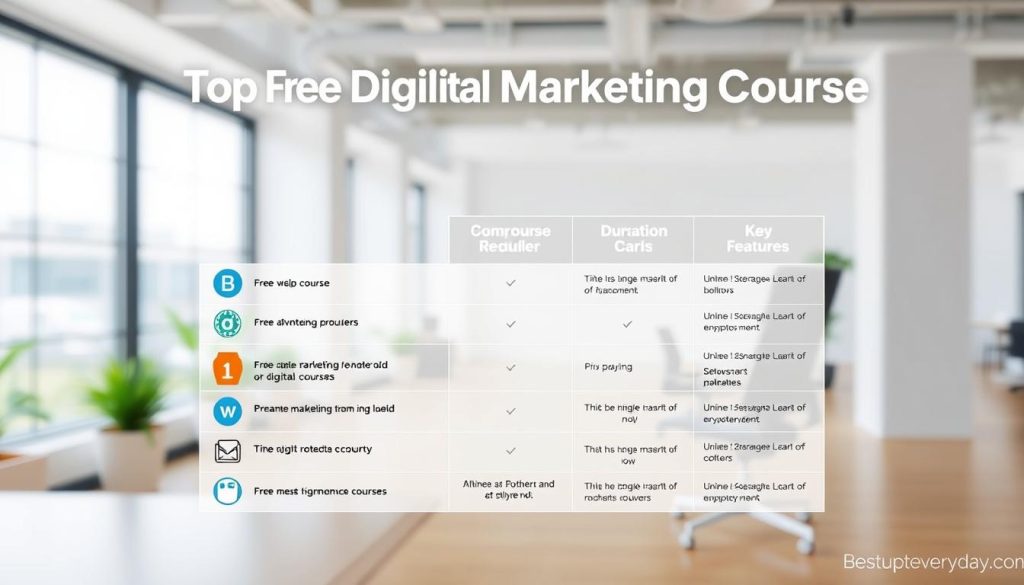
Building expertise in online strategies begins with accessible education. These programs help newcomers grasp core techniques through practical lessons and certifications. Let’s explore three standout options for skill development.
SC Training’s Bite-Sized Lessons
SC Training simplifies complex concepts with four focused modules. Learners compare traditional and modern strategies, explore channel selection, and master industry terminology. Its microlearning approach delivers information in 5-minute chunks—ideal for balancing work and study.
Google’s Comprehensive Fundamentals Course
This 26-module program requires around 40 hours to finish. Video tutorials and quizzes cover search campaigns, analytics, and website optimization. One graduate shared:
“The certificate boosted my LinkedIn profile visibility within weeks.”
Coursera and edX Learning Opportunities
Coursera’s 11-hour program teaches content creation and consumer behavior analysis. edX complements this with courses on buyer psychology. Both platforms offer shareable credentials recognized by employers.
Time constraints? Prioritize shorter courses first. Those seeking depth benefit from Google’s detailed curriculum. Whatever your schedule, these resources provide actionable skills without financial strain.
Fundamentals of Digital Marketing Strategy
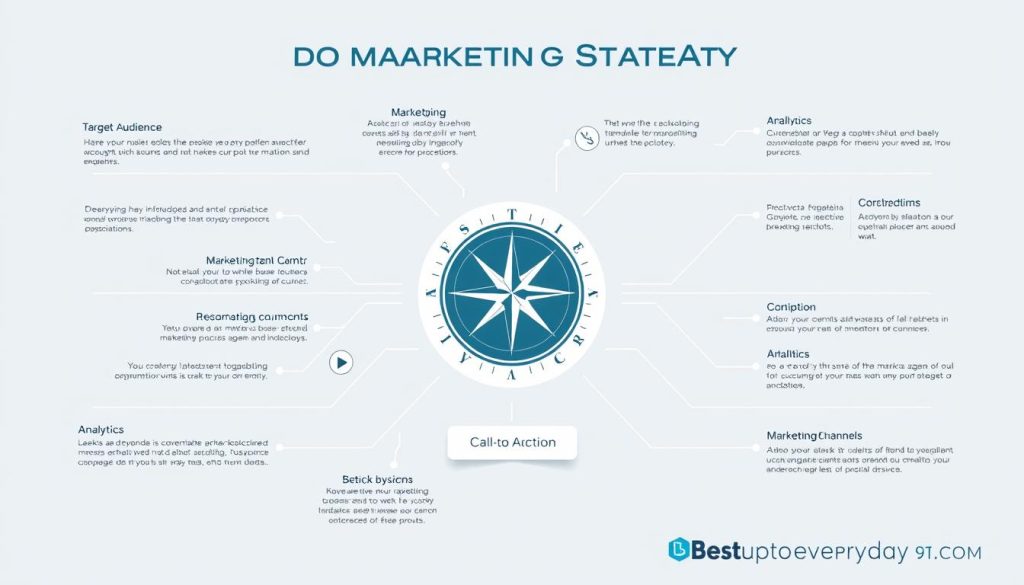
Successful online strategies begin with a solid foundation in core principles. Crafting campaigns that convert requires understanding both audience needs and measurable objectives. Start by analyzing who your customers are—their age, interests, and online habits shape every decision.
Planning and Creating Campaigns
Define clear goals using the SMART framework. Instead of vague aims like “increase sales,” target specific outcomes: “Boost website traffic by 30% in 90 days.” This approach helps track progress and allocate budgets effectively across channels.
Research is non-negotiable. Study competitors’ strengths and market gaps through SWOT analysis. One e-commerce manager shared:
“Agile adjustments based on data separate good campaigns from great ones.”
Content must mirror your brand’s personality while solving audience problems. A skincare company might share tutorial videos on Instagram but use email newsletters for loyalty rewards. Timing matters too—launch holiday promotions when search interest peaks.
Connect all platforms seamlessly. Visitors clicking a Facebook ad should land on a page that continues the conversation. Regular A/B testing refines headlines, images, and calls-to-action. Tools like Google Optimize make these tweaks simple, even for beginners.
Deep Dive into SEO and Content Marketing
Visibility in search results determines success for most online businesses today. Mastering search engine optimization and content strategy creates lasting growth. These tools work like gears—when aligned, they drive organic traffic and build credibility.

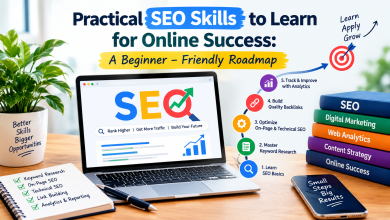
Effective Search Engine Optimization Tactics
Start with keyword research. Tools like Google Keyword Planner reveal what your audience searches for. Focus on long-tail phrases like “best running shoes for flat feet”—they attract targeted visitors.
On-page tweaks matter. Optimize title tags, headers, and meta descriptions. A bakery might use “artisan sourdough bread in Chicago” instead of generic terms. Technical fixes like faster page speeds also boost rankings.
Local strategies help brick-and-mortar businesses. Claim your Google Business Profile and gather reviews. One store owner noted:
“After optimizing our profile, foot traffic jumped 40% in three months.”
Crafting Engaging Content for Your Audience
Great content answers questions before they’re asked. Analyze forums or social media to find pain points. A pet supply brand could create guides on “introducing cats to dogs” based on common concerns.
Mix formats to keep readers hooked. Use videos for tutorials, infographics for stats, and blogs for deep dives. Schedule posts consistently—twice weekly works for many brands.
Balance keywords with readability. Stuffing phrases irritates readers and hurts rankings. Instead, weave terms naturally. For example, mention “content marketing best practices” while explaining campaign planning steps.
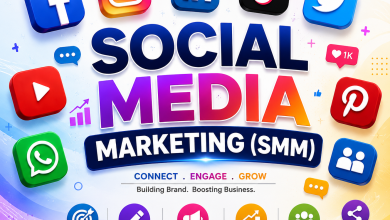
Mastering Social Media and Email Marketing
Modern brands thrive by mastering two key channels: social platforms and email. These tools let businesses spark conversations and maintain direct connections—all while gathering valuable audience insights.

Building Engagement with Social Platforms
Each social network serves unique purposes. Instagram prioritizes visuals, while LinkedIn fosters professional discussions. SC Training’s program teaches how to craft platform-specific content that drives meaningful interactions.
Consistency matters. Posting schedules, brand voice, and response times shape audience perceptions. One social media manager notes:
“Reply within two hours to comments—it shows you value customer input.”
Analytics reveal what works. Track shares, saves, and click-through rates to refine strategies. Blend educational posts with behind-the-scenes stories to humanize your brand.
Optimizing Email Campaigns for Better Reach
Email delivers messages straight to interested subscribers. Start by segmenting lists based on purchase history or engagement levels. Personalized subject lines boost open rates by 26%.
SC Training’s email course highlights practical tactics:
- Use drag-and-drop builders for mobile-friendly designs
- Automate welcome sequences for new subscribers
- Test different send times (Tuesday mornings often perform well)
Gamification elements like quizzes or progress bars keep readers engaged. Pair emails with social media polls to create cross-channel conversations that deepen relationships.
Creating Effective Digital Marketing Campaigns
Modern campaigns thrive when channels work together like instruments in an orchestra. Each platform plays a distinct role while contributing to a unified goal. Success comes from strategic alignment—not isolated efforts.

Channel Synergy in Action
Imagine a fitness brand launching a new product. They use Instagram Stories to tease the release, then send targeted emails with early access links. Blog posts explaining the science behind the product boost SEO rankings, while YouTube tutorials answer common questions.
This approach creates touchpoints at every decision stage. As one strategist explains:
“Agile teams treat channels as collaborators, not competitors. A TikTok video should complement your newsletter—not repeat it.”
Key steps for integration:
- Map customer journeys to identify key interaction points
- Align messaging across platforms while adapting formats
- Use data from one channel to refine others
Analytics reveal which combinations drive results. A/B test social media CTAs that promote email sign-ups. Track how blog traffic influences product page visits. These insights help allocate budgets smarter, not harder.
Consistency builds recognition. When visuals, tone, and offers match across platforms, brands become unforgettable. Start small—connect two channels first, then expand as patterns emerge.
Analyzing Buyer Behavior and Data Insights
Every purchase decision is driven by hidden factors that shape consumer actions. By studying these patterns, businesses craft strategies that resonate deeply. This approach transforms random clicks into meaningful relationships.
Understanding Consumer Decision-Making
People rarely buy products impulsively. Choices stem from needs, social influences, and emotional triggers. Courses like edX’s 12-week program teach how ethics and psychology intersect in purchasing. For example, limited-time offers tap into scarcity mindsets, while testimonials build trust through social proof.
Leveraging Analytics to Optimize Strategies
Data insights reveal what words, images, or prices drive conversions. Tools track behavior across websites and ads, showing where interest fades. One retailer increased sales by 18% after adjusting product pages based on heatmap analytics.
Update campaigns weekly using real-time metrics. Pair understanding buyer motives with agile testing. When strategies align with natural human behavior, results follow.
FAQ
What free resources help beginners grasp core concepts?
Platforms like Google Digital Garage and HubSpot Academy offer structured lessons. Coursera and edX partner with universities to provide accessible training. SC Training delivers bite-sized modules for quick learning.
How does online promotion differ from traditional methods?
Online strategies enable real-time adjustments and precise audience targeting. Unlike print or TV ads, channels like social platforms and email allow direct customer interaction and measurable results.
Which certifications hold value in the industry?
Google’s Fundamentals certification and HubSpot’s content marketing credentials are widely recognized. Coursera’s University of Illinois programs also add credibility to resumes.
Why prioritize SEO in brand-building efforts?
Strong search engine optimization improves website visibility organically. Proper keyword use and quality content help brands rank higher, driving traffic without paid ads.
What role do analytics play in shaping strategies?
Tools like Google Analytics reveal user behavior patterns. Tracking metrics such as click-through rates helps refine campaigns for better ROI and audience engagement.
Can social platforms genuinely boost brand awareness?
Yes. Consistent engagement on networks like Instagram and LinkedIn builds communities. Tailored posts and interactive content foster trust and expand reach organically.
How important is email in modern outreach efforts?
Email remains a high-conversion channel. Personalized subject lines and segmented lists improve open rates, making it ideal for nurturing leads and retaining customers.


Thank you for your sharing. I am worried that I lack creative ideas. It is your article that makes me full of hope. Thank you. But, I have a question, can you help me? https://www.binance.com/register?ref=JW3W4Y3A
Your article helped me a lot, is there any more related content? Thanks!