In 2025, blogging remains a powerful way to express creativity and generate income. Whether you’re a seasoned writer or just beginning, the world of blogging offers flexible work hours and creative freedom. This comprehensive guide will walk you through every step of creating a successful and profitable blog from scratch.
The benefits of blogging extend beyond personal expression. With the right strategies, bloggers can enjoy multiple income streams, turning their passion into a viable source of money. The initial investment is relatively low, ranging from approximately $34.50 to $65.40 for the first year.
Successful bloggers can earn anywhere from supplemental income to six-figure salaries. This guide covers both the technical aspects of creating a blog and the business strategies for monetization. By following this guide, you’ll be well on your way to making money through your blogging efforts.
Key Takeaways
- Blogging offers flexible work hours and creative freedom.
- The initial investment for starting a blog is relatively low.
- Successful bloggers can earn significant incomes.
- This guide covers both technical and business aspects of blogging.
- Multiple income streams are possible through blogging.
What is a Blog and Why Start One?
As more people seek financial independence, blogging has become a popular avenue for generating income online. Blogging can be one of the most profitable online businesses with very low startup costs. You don’t need to blog full-time to earn a significant income; even part-time bloggers can earn well into the six-figures from their blogs each year.

Definition and Types of Blogs
A blog is an online journal or informational website that displays information in reverse chronological order, with the latest posts appearing first. Blogs can be categorized into various types, including personal blogs, niche or topic-specific blogs, business blogs, and affiliate blogs. The diversity in blog types allows individuals to choose a niche that aligns with their interests and expertise, making it easier to monetize their blog over time.
The Benefits of Starting a Blog
Starting a blog offers numerous benefits, including the potential to generate income, build a personal brand, and connect with like-minded individuals. Blogging allows you to share your knowledge and passion with a global audience, establishing yourself as an authority in your chosen niche. Moreover, a successful blog can open doors to various opportunities, such as sponsored content, affiliate marketing, and the sale of digital products.
Can Anyone Really Make Money Blogging?
Yes, millions of people around the world are turning to making money from home rather than pursuing a traditional 9-to-5 job. While anyone can make money blogging, success requires consistent effort, strategic planning, and patience. Different niches have different monetization potential, but virtually any topic can be profitable with the right approach. Successful bloggers often diversify their income streams, ensuring a steady flow of revenue over time.
Finding Your Profitable Blog Niche
Discovering a profitable niche is crucial for bloggers aiming to turn their passion into a sustainable income stream. The right niche can attract a dedicated audience, drive significant traffic, and create substantial value for both the blogger and their readers.
How to Identify Profitable Niches
Identifying a profitable niche involves a combination of research and analysis. Start by brainstorming topics you’re passionate about and have some expertise in. Use tools like Google Trends, Keyword Planner, and social media to gauge interest and demand in these areas. A profitable niche typically has a sizable audience, relatively low competition, and monetization opportunities through affiliate marketing, sponsored content, or product sales.
Key characteristics of a profitable niche include:
- A dedicated and engaged audience
- Sufficient search volume and interest
- Potential for monetization through various channels
- A balance between competition and opportunity
Balancing Passion and Profitability
While profitability is crucial, it’s equally important to choose a niche you’re passionate about. Blogging requires consistent effort, and your enthusiasm will shine through in your content, making it more engaging for your audience. “The best way to make money blogging is to choose a niche you love, and then monetize it effectively.” Striking a balance between what you’re passionate about and what’s profitable ensures long-term motivation and success.

Researching Your Competition
Researching your competition is a critical step in validating your niche choice. Analyze existing blogs in your desired niche to understand their strengths, weaknesses, and the type of content they produce. Use tools like SEMrush or Ahrefs to examine their traffic sources, keywords, and backlink profiles. This research helps you identify content gaps, understand what works, and differentiate your blog from existing ones.
As
“The key is not to prioritize what’s easy, but to face the challenge and make it profitable.”
By understanding your competition, you can carve out a unique space in your niche and create a compelling value proposition for your audience.
Ultimately, finding the right niche is about balancing your interests with market demand and competition. By carefully researching and analyzing your options, you can identify a profitable niche that sets your blog up for success.
Choosing Your Blog Name and Domain
A well-chosen blog name and domain can significantly impact your blog’s visibility and memorability. Your blog’s name and domain are the first things your audience will encounter, making them crucial elements of your brand’s identity.
Tips for Selecting a Memorable Blog Name
When selecting a blog name, consider something that is both memorable and relevant to your niche. A good blog name should be easy to spell, easy to pronounce, and easy to remember. It’s also a good idea to keep it short and simple. Here are some tips to help you come up with a great blog name:
- Use keywords related to your niche to improve search engine optimization (SEO).
- Avoid using numbers and hyphens if possible.
- Make sure it’s not too similar to existing brands or trademarks.
- Consider your brand’s tone and personality when choosing a name.
For example, a blog focused on cooking might choose a name like “Delicious Bites” or “The Cooking Chronicles.” These names are catchy and immediately convey the blog’s theme.
Domain Name Best Practices
Once you have your blog name, it’s time to choose a domain name. Ideally, your domain name should match your blog name exactly. Here are some best practices for selecting a domain:
- Choose a .com extension if possible, as it’s the most recognized and trusted.
- Keep it short and memorable.
- Avoid numbers and hyphens.
- Make sure it’s easy to spell.
When you start your blog with a hosting company like Bluehost, they’ll allow you to choose your domain name later. This gives you the flexibility to think through your options carefully.

What to Do if Your Desired Domain is Taken
If your desired domain name is already taken, don’t get discouraged. Here are some strategies to find an alternative:
| Strategy | Description |
|---|---|
| Modify your desired name | Add a modifier like “the,” “my,” or a keyword related to your niche. |
| Change the extension | If .com is taken, consider .net, .org, or other relevant extensions. |
| Use a domain broker | If you’re determined to have a specific domain name, consider using a broker to negotiate with the current owner. |
| Backorder the domain | If the domain is expiring, you can backorder it through services like GoDaddy. |
It’s also crucial to secure matching social media handles to maintain brand consistency across platforms. As Moz once said, “A brand is no longer what we tell the consumer it is—it is what consumers tell each other it is.” Ensuring your brand identity is consistent across the web is vital.
By carefully choosing your blog name and domain, you lay a solid foundation for your online presence. Take your time, be creative, and ensure that your choices align with your niche and brand identity.
Setting Up Your Blog: Technical Steps
The technical setup of your blog is a foundational step in creating a successful online presence. This involves several key decisions that will impact your blog’s performance, security, and visibility.
Selecting a Web Hosting Provider
Choosing the right web hosting provider is crucial for your blog’s success. Your web host affects your blog’s loading speed, security, and uptime. When searching for the best web hosting for bloggers, consider factors like customer support, scalability, and pricing.

Bluehost is a popular choice among bloggers due to its user-friendly interface, reliable customer support, and seamless integration with WordPress. They offer various plans, including a basic shared hosting plan and more advanced options for growing blogs.
Installing WordPress
Once you’ve selected your web hosting provider, the next step is installing WordPress. Most web hosts, including Bluehost, offer a one-click WordPress installation process, making it easy to get started.

After installation, you’ll have access to the WordPress dashboard, where you can manage your blog’s content, appearance, and settings. WordPress is highly customizable, with thousands of themes and plugins available to extend its functionality.
Essential Settings and Plugins
After installing WordPress, you’ll need to configure some essential settings and install critical plugins to enhance your blog’s performance and security.
First, configure your permalinks to create clean, SEO-friendly URLs for your blog posts. You can do this in the WordPress settings. Additionally, adjust your discussion settings to manage comments and reading settings to control how your content is displayed.
For plugins, start with those that improve SEO, such as Yoast SEO, which helps optimize your content for search engines. For security, consider Akismet to protect against spam. Caching plugins like WP Super Cache can improve your site’s loading speed.
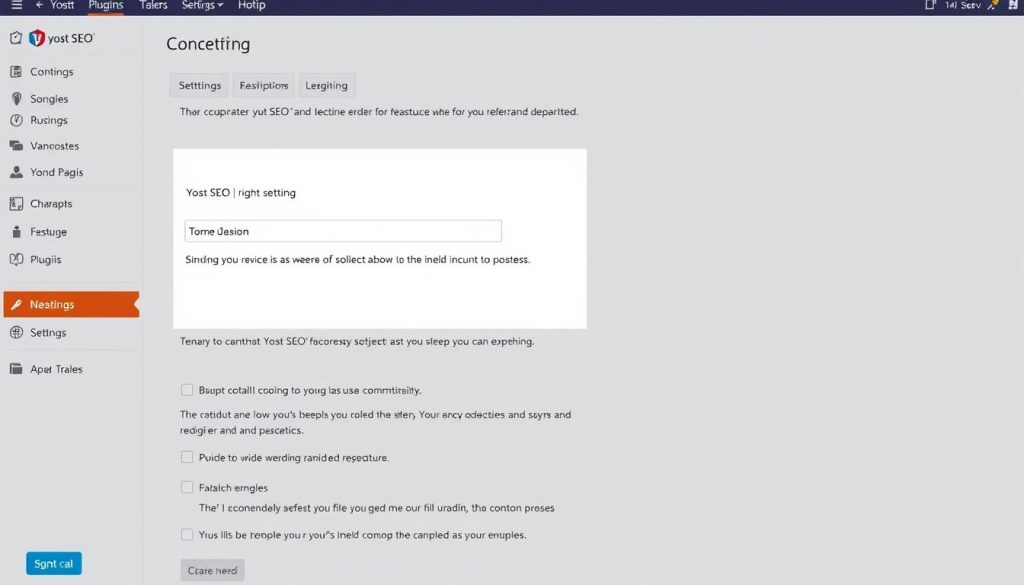
When selecting plugins, be cautious not to overload your site. Only install plugins that are necessary for your blog’s functionality, and regularly update them to ensure compatibility and security.
Designing Your Blog for Success
Your blog’s design is the first impression visitors get, making it a critical component of your blogging success. A well-designed blog not only attracts readers but also enhances user experience, encouraging visitors to stay longer and explore your content further.
Choosing the Right WordPress Theme
Selecting the right WordPress theme is a crucial step in designing your blog for success. With thousands of themes available, it’s essential to choose one that aligns with your blog’s niche and is responsive, meaning it adapts well to different screen sizes.
When searching for the best WordPress themes for blogs, consider factors such as customization options, page load speed, and compatibility with various plugins. A good theme should also support your blog’s functionality, whether it’s for a personal blog, a business site, or an e-commerce platform.

Creating an Effective Blog Layout
An effective blog layout is crucial for user experience and engagement. It should be clean, intuitive, and easy to navigate. Key elements include a clear header with your blog’s name, a simple menu, and a prominent call-to-action (CTA) to encourage visitor interaction.
Your blog’s layout should also prioritize content readability, using appropriate font sizes, line spacing, and color schemes that enhance readability. Ensure that your blog’s page layout is consistent across different pages to maintain a professional look.
Mobile Optimization Essentials
Mobile optimization is no longer optional; it’s a necessity. With a growing percentage of blog traffic coming from mobile devices, ensuring your blog is mobile-friendly is critical. A responsive design automatically adjusts your blog’s layout to fit different screen sizes, ensuring a good user experience across devices.
- Use Google’s Mobile-Friendly Test tool to identify and fix mobile usability issues.
- Optimize images and media for faster loading on mobile connections.
- Ensure touch-friendly navigation, appropriate font sizes, and button dimensions.
- Test your blog across multiple devices and browsers for consistent performance.
Mobile optimization not only improves user experience but also affects your blog’s SEO. Google prioritizes mobile-friendly sites in search results, making mobile optimization a key factor in your blog’s visibility and traffic.
Creating High-Quality Blog Content
High-quality content is the backbone of any successful blogging strategy. It not only attracts and retains a clearly defined audience but also drives profitable customer action. To achieve this, bloggers must focus on understanding their target audience, developing a robust content strategy, and crafting engaging blog posts.
Understanding Your Target Audience
Understanding your target audience is crucial for creating content that resonates with them. This involves identifying their needs, preferences, and pain points. To do this effectively, consider creating buyer personas that outline demographic information, interests, and behavioral patterns.
Researching your audience can be done through various methods, including surveys, social media analytics, and comment sections on your blog. By gaining insights into what your audience is looking for, you can tailor your content to meet their expectations, thereby increasing engagement and loyalty.
| Audience Characteristics | Description | Importance |
|---|---|---|
| Demographics | Age, gender, location, etc. | High |
| Interests | Hobbies, preferences, etc. | High |
| Pain Points | Problems they are trying to solve | Very High |
Developing a Content Strategy
A well-developed content strategy is essential for maintaining consistency and relevance in your blogging efforts. This involves planning, creating, and managing content that aligns with your overall business goals. Start by defining your content pillars, which are the main topics your blog will cover.
Next, create a content calendar to schedule and organize your posts. This helps in maintaining a consistent posting schedule, which is crucial for keeping your audience engaged. Consider using tools like Google Calendar or Trello to plan and manage your content effectively.
- Identify your content pillars
- Create a content calendar
- Plan for different content types (e.g., how-to guides, listicles, interviews)
- Repurpose existing content to maximize its value
Writing Engaging Blog Posts
Writing engaging blog posts requires a combination of creativity, clarity, and strategic thinking. Start with a compelling headline that grabs attention and accurately represents the content of your post. Your introduction should be strong, providing a hook that draws readers in and encourages them to continue reading.
When it comes to the body of your post, focus on providing value through well-structured content. Use subheadings, bullet points, and short paragraphs to enhance readability. Incorporating storytelling can also help create an emotional connection with your readers, making your content more memorable.

To maintain reader engagement, it’s essential to strike a balance between providing valuable information and keeping your content engaging. Use a conversational tone and avoid jargon or overly complex language. Finally, end your posts with a clear call to action, guiding readers on what to do next.
By following these guidelines and continually refining your approach based on audience feedback and performance metrics, you can significantly improve the quality and effectiveness of your blog content.
Building Your Blog Traffic
Building a successful blog requires a strategic approach to driving traffic to your site. The key to blogging success lies in understanding how to attract and retain a dedicated readership. In this section, we’ll explore the essential strategies for building your blog traffic, including SEO fundamentals, leveraging social media, and email marketing.
SEO Fundamentals for Bloggers

Search Engine Optimization (SEO) is crucial for bloggers to increase their online visibility. To optimize your blog for search engines, focus on creating high-quality, keyword-rich content that resonates with your target audience. Some effective blog SEO tips include:
- Conducting thorough keyword research to identify relevant terms and phrases.
- Optimizing your blog post titles, meta descriptions, and headings.
- Using header tags (H1, H2, H3) to structure your content.
- Incorporating internal and external linking to enhance credibility.
By implementing these SEO strategies, you can improve your blog’s search engine rankings and drive more traffic to your site.
Leveraging Social Media
Social media is a powerful tool for bloggers to promote their content and attract new readers. To leverage social media effectively, focus on creating engaging content that resonates with your audience. Some strategies include:
- Sharing your blog posts on relevant social media platforms.
- Engaging with your followers by responding to comments and messages.
- Using relevant hashtags to increase the visibility of your content.
- Collaborating with other bloggers or influencers in your niche.
By building a strong social media presence, you can drive traffic to your blog and grow your audience.
Email Marketing for Bloggers

Email marketing is a highly effective way to drive traffic to your blog and monetize your audience. To get started with email marketing, you’ll need to select an email service provider that meets your needs and budget. Some popular options include Mailchimp, ConvertKit, and AWeber.
To build your email list, focus on creating effective opt-in incentives and form placement. Some strategies include:
- Offering a free resource, such as an eBook or webinar, in exchange for email addresses.
- Placing email opt-in forms in prominent locations on your blog.
- Creating a welcome sequence that introduces new subscribers to your blog.
- Sending regular newsletters that drive traffic back to your blog.
By building a strong email list and creating engaging email content, you can drive traffic to your blog and increase your monetization potential.
To maximize the effectiveness of your email marketing campaigns, focus on email content that provides value to your subscribers. Some best practices include:
- Segmenting your email list to personalize your content.
- Using attention-grabbing subject lines to improve open rates.
- Optimizing your email content for mobile devices.
- Using analytics to track your email performance and make data-driven decisions.
By following these strategies, you can build a loyal audience and drive traffic to your blog.
How to Start a Blog and Make Money: Monetization Overview
Monetizing a blog is a crucial step towards turning your online presence into a profitable venture. As you build your blog, understanding how to generate income from your content is essential for long-term success.
When to Start Monetizing Your Blog
The ideal time to start monetizing your blog depends on several factors, including your niche, audience engagement, and content quality. Generally, it’s advisable to begin exploring monetization strategies once you have a sizable and engaged audience. This typically happens after you’ve published a significant amount of high-quality content and have started to see consistent traffic to your site.
For most bloggers, this means waiting until they have at least 100 to 1,000 loyal readers. However, the exact timing can vary based on your niche and the level of engagement you have with your audience.
Setting Realistic Income Expectations
When it comes to making money from your blog, setting realistic income expectations is crucial. The amount of money you can earn varies widely depending on your niche, the size of your audience, and the monetization strategies you employ.
On average, it costs around $34.50 to $65.40 to start a blog in 2025 and cover your first year of essential expenses, with web hosting being your primary expense. Successful bloggers can earn anywhere from a few hundred to several thousand dollars per month. Understanding that building a profitable blog takes time and effort is key to managing your expectations.
Diversifying Your Income Streams
Diversifying your income streams is vital for creating a stable and profitable blog. Relying on a single source of income can be risky, as changes in algorithms or market conditions can significantly impact your earnings.
By diversifying your income streams, you can mitigate these risks and create a more sustainable income. Major blog monetization methods include display advertising, affiliate marketing, selling digital products, and offering services. Each of these methods can work together as part of a comprehensive strategy to maximize your earnings.
To diversify effectively, consider the following strategies:
- Evaluate which income streams align best with your niche, content type, and audience preferences.
- Gradually add new income streams to avoid overwhelming yourself or your audience.
- Use different income streams to complement each other and create synergies.
| Monetization Method | Description | Potential Earnings |
|---|---|---|
| Display Advertising | Placing ads on your blog | $100-$1,000 per month |
| Affiliate Marketing | Promoting products or services | $500-$5,000 per month |
| Digital Products | Selling e-books, courses, etc. | $1,000-$10,000 per month |
As you can see, diversifying your income streams can help you achieve a more stable financial foundation for your blog.

Display Advertising: Earning with Ads
Bloggers can capitalize on their audience by leveraging display advertising. This monetization strategy involves displaying ads on their blog, providing a potential source of income.
Ad Networks for Beginners
For new bloggers, joining an ad network is a straightforward way to start earning from display ads. Popular ad networks include Google AdSense, Mediavine, and Adthrive. These platforms connect bloggers with advertisers, handling the ad serving process and providing analytics to optimize ad performance.

When selecting an ad network, consider factors such as the network’s reputation, payout thresholds, and ad formats. Beginners should look for networks with easy integration processes and supportive customer service.
Optimizing Ad Placement
Effective ad placement is crucial for maximizing income from display advertising. Bloggers should experiment with different ad locations, such as sidebar, header, or within-content ads, to find what works best for their audience. It’s also important to balance ad visibility with user experience, ensuring that ads are noticeable without being intrusive.
Private Advertising Opportunities
Beyond ad networks, bloggers can explore private advertising opportunities by directly selling ad space to brands. This approach allows for more control over ad content and placement, potentially leading to higher earnings and better alignment with the blog’s audience.
Private advertising can be more lucrative than traditional ad networks, as it eliminates intermediary fees. To pursue private advertising, bloggers need to create a compelling media kit showcasing their blog’s value, audience demographics, and engagement metrics.
To attract direct advertisers, bloggers should identify brands that align with their niche and audience interests. Building relationships with these brands through sponsored content or product collaborations can also help in securing direct ad deals.
Affiliate Marketing for Bloggers
With affiliate marketing, bloggers can create a passive income stream by promoting products they believe in. This form of marketing involves partnering with brands to promote their products or services, earning a commission for each sale made through the blogger’s unique affiliate link.
How Affiliate Marketing Works
Affiliate marketing is straightforward: bloggers join an affiliate program, receive a unique link or code for a product, and earn a commission when someone clicks that link and makes a purchase. Many companies, from large corporations to small businesses, offer affiliate programs that bloggers can join.
The key to successful affiliate marketing is choosing products that align with your blog’s niche and audience interests.
Finding and Joining Affiliate Programs
To find affiliate programs, bloggers can search for “best affiliate programs for bloggers” along with their niche. Popular affiliate programs include Amazon Associates, ShareASale, and Commission Junction. When joining an affiliate program, it’s essential to read the terms and conditions carefully, understanding the commission rates, cookie durations, and any restrictions on promotional methods.
Some programs may require a minimum number of followers or a certain level of engagement before approval.

Strategies for Effective Affiliate Promotion
Effective affiliate promotion involves creating valuable content that naturally incorporates affiliate links. Product reviews, tutorials, comparison posts, and resource pages are excellent formats for promoting affiliate products. Personal experience with the product is crucial, as authentic recommendations lead to higher conversion rates.
Bloggers should also focus on naturally integrating affiliate links into their content, avoiding overly promotional language. Creating dedicated affiliate content, such as product-specific landing pages or email sequences, can also enhance promotional efforts.
Tracking affiliate performance is vital to understanding which products and content types convert best, allowing for data-driven decisions to optimize affiliate marketing strategies.
Creating and Selling Digital Products
Creating digital products is a lucrative way to monetize your blog and connect with your audience on a deeper level. By leveraging your expertise and the trust you’ve built with your readers, you can develop products that meet their needs and solve their problems.
Digital products can range from eBooks and courses to software and membership sites. The key is to identify what your audience is willing to pay for and what you’re capable of creating.
Types of Digital Products to Offer
When considering digital products, there are several types you can offer to your blog audience. These include:
- eBooks and guides
- Online courses and tutorials
- Software and plugins
- Membership sites and exclusive content
Each of these products can be tailored to your niche and audience needs, providing value and generating revenue.
Creating Your First Digital Product
To start creating your first digital product, begin by identifying your strengths and the needs of your audience. Consider what problems you’re solving and what you’re passionate about. This will help you develop a product that’s both meaningful and marketable.
Next, outline your product’s structure and content. For an eBook, this might involve creating an outline and drafting chapters. For a course, you’ll need to plan the lessons and create engaging materials.
Marketing and Selling Your Products
Once you’ve created your digital product, it’s time to focus on marketing and sales. Start by building anticipation through your blog content and email list. You can share snippets, offer pre-launch discounts, or provide exclusive content to encourage early interest.
When it comes to selling, consider using effective sales pages that clearly communicate the value of your product. Utilize marketing strategies like limited-time offers, tiered pricing, and payment plans to maximize conversions.
Analyzing your sales data is crucial to refining your marketing approach and improving future product launches. By understanding what works and what doesn’t, you can adjust your strategy to better meet your audience‘s needs and increase your sales.
Offering Services Through Your Blog
Offering services is a powerful method for bloggers to connect with their audience on a personal level. By leveraging your expertise, you can create a lucrative business that complements your blog content. This approach allows you to build a personal brand and establish a more intimate connection with your readers.

Identifying Services You Can Offer
The first step in offering services through your blog is to identify what services you can provide. Consider your skills, expertise, and what your audience values. You can offer services such as coaching, consulting, or workshops. Think about your strengths and how they align with your audience’s needs. For instance, if you’re a fitness blogger, you could offer personalized workout plans or nutrition counseling.
Key considerations when identifying services include your expertise, audience demand, and competition. Researching your competitors and understanding your audience’s pain points can help you tailor your services to meet their needs effectively.
Setting Up Service Pages
Once you’ve identified the services you want to offer, it’s crucial to set up dedicated service pages on your blog. These pages should clearly describe your services, highlighting the benefits and value they provide to potential clients. Include testimonials, case studies, or any relevant success stories to build credibility.
Use compelling content and a clear call-to-action (CTA) to encourage visitors to contact you or sign up for your services. Ensure that your service pages are optimized for search engines to improve visibility.
Finding and Managing Clients
Attracting your first clients involves leveraging your blog content, email list, and other marketing channels. Create valuable content that showcases your expertise and promotes your services. Utilize your email list to share information about your services and offer exclusive deals to subscribers.
- Qualify potential clients to ensure they are a good fit for your services.
- Establish a client onboarding process that includes contracts and clear expectations.
- Set competitive pricing that ensures profitability.
- Manage client relationships effectively through regular communication and boundary setting.
Handling common client challenges, such as scope creep or payment issues, requires proactive strategies. Regularly review your client agreements and maintain open lines of communication to mitigate potential issues. As your service business grows, consider scaling by adjusting your rates or expanding your service offerings.
Balancing client work with blog content creation is crucial. Allocate your time wisely to maintain both your service business and your blog. This balance will help you sustain a steady income stream while continuing to attract new clients and grow your business.
Sponsored Content and Brand Partnerships
Sponsored content and brand partnerships offer bloggers a unique opportunity to generate revenue. By collaborating with brands, bloggers can promote products or services to their audience, creating a win-win situation for both parties.
Finding Sponsorship Opportunities
To find sponsorship opportunities, bloggers should first identify brands that align with their niche and audience interests. This involves researching companies that have collaborated with other bloggers or influencers in the past.
Utilizing social media platforms and influencer marketing platforms can also help bloggers discover potential brand partners. Creating a media kit that showcases the blog’s audience demographics, engagement rates, and past collaborations is crucial for attracting brands.
Negotiating Sponsored Content Rates
When negotiating sponsored content rates, bloggers should consider their audience size, engagement rates, and the type of content required by the brand. It’s essential to have a clear understanding of the costs involved in creating sponsored content.
Bloggers can charge based on various models, such as cost per click (CPC), cost per thousand impressions (CPM), or a flat fee for the sponsored post. Being prepared to negotiate and having a rate card can help in securing fair compensation.
Maintaining Authenticity with Sponsored Posts
Authenticity is crucial when creating sponsored content. Bloggers must ensure that the sponsored posts align with their blog’s values and resonate with their audience.
To maintain authenticity, bloggers should only partner with brands they genuinely believe in and use. Disclosing sponsored content clearly, as per FTC guidelines, is also vital for maintaining trust with the audience.
Key Considerations for Authentic Sponsored Content:
- Select sponsorship opportunities that genuinely align with your blog’s values and audience interests.
- Create sponsored content that delivers value to readers while meeting brand objectives.
- Maintain your unique voice and perspective in sponsored posts.
- Establish boundaries with sponsors to ensure editorial control over your content.
By following these guidelines, bloggers can effectively balance authenticity and monetization in their sponsored content, fostering a loyal audience and long-term success.
Membership Sites and Subscription Models
For bloggers with a dedicated audience, setting up a membership program can be a lucrative way to earn consistent income. By offering exclusive content, benefits, or services to paying members, bloggers can create a recurring revenue stream that complements their existing income sources.
Benefits of Recurring Revenue
One of the primary advantages of membership sites is the potential for recurring revenue. This model provides a predictable income stream, allowing bloggers to better plan and invest in their content and business. Recurring revenue also enables bloggers to build a loyal community around their blog, as members feel invested in the content and are more likely to engage deeply.
Moreover, a membership site helps to foster a sense of community among members, who can interact with each other and with the blogger through forums, live events, or group discussions. This community aspect can significantly enhance the overall value proposition of the blog.
Setting Up a Membership Site
To set up a membership site, bloggers need to choose a suitable platform that integrates with their existing blog. Popular options include Memberful, Patreon, and MemberPress. When selecting a platform, consider factors such as ease of use, customization options, payment processing fees, and integration with existing tools.
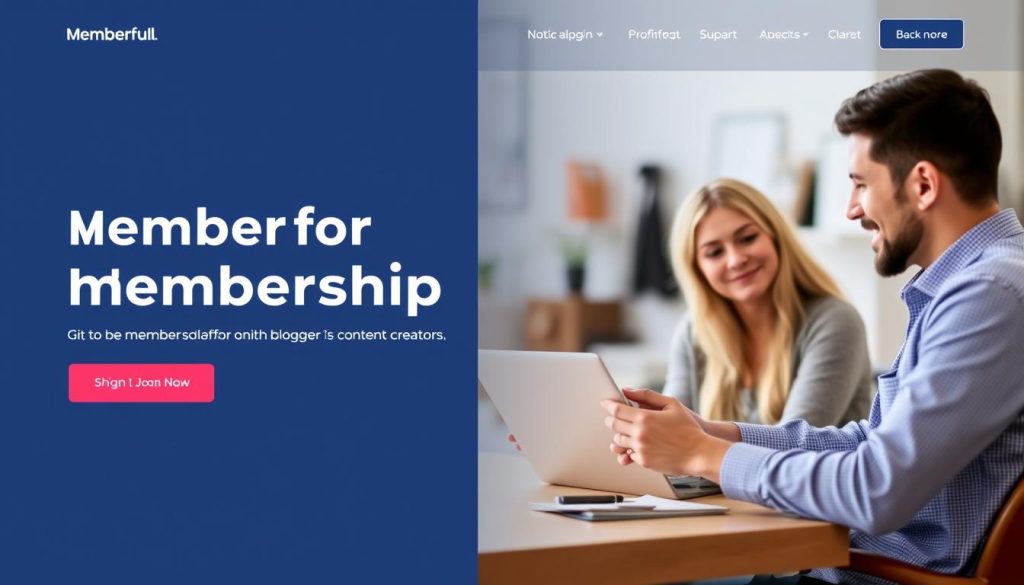
Memberful allows bloggers to create a membership program with ease, offering features such as customizable membership levels, content restriction, and member analytics. By leveraging these features, bloggers can create a tailored experience for their members.
Creating Value for Members
To make a membership site successful, bloggers must create significant value for their members. This can be achieved by offering exclusive content, such as in-depth guides, video series, or premium articles. Additionally, bloggers can provide benefits like early access to new content, member-only discounts, or direct access to the blogger.
Building a community around the membership site is also crucial. Bloggers can achieve this by creating forums, hosting live events, or facilitating group interactions. By doing so, they can foster a sense of belonging among members, increasing loyalty and retention.
By following these strategies and continually gathering feedback from members, bloggers can refine their membership offerings, ensuring they remain valuable and appealing to their audience.
Scaling Your Blog Business
Scaling your blog business is a multifaceted process that involves several key strategies. As your blog grows, it’s essential to adapt and evolve to maintain momentum and continue generating revenue. In this section, we’ll explore the critical components of scaling a successful blog business.
Hiring Help and Building a Team
As your blog expands, you may need to hire help to manage the workload. Building a team can include hiring writers, editors, designers, or virtual assistants. It’s crucial to identify the right talent and delegate tasks effectively to free up your time for high-level decision-making.
When building your team, consider the skills you need and the costs associated with hiring. You may start by outsourcing tasks or hiring freelancers before deciding to bring on full-time employees. Effective team management is key to ensuring that your blog continues to produce high-quality content and maintain its online presence.

Expanding Your Content Channels
Diversifying your content channels can help you reach a broader audience and increase engagement. Consider expanding into video content, podcasts, or social media platforms. Each channel requires a unique approach, so it’s essential to tailor your content to the specific platform.
By leveraging multiple content channels, you can maximize your blog’s visibility and attract new readers. It’s also an effective way to repurpose your existing content and breathe new life into old posts.
Creating Multiple Income Streams
Creating multiple income streams is vital for a stable and profitable blog business. This can include display advertising, affiliate marketing, sponsored content, and selling digital products or services. The concept of income stacking involves combining multiple revenue sources to reduce dependence on a single income stream.
To effectively create multiple income streams, you need to analyze your blog’s ROI for each stream and adjust your strategy accordingly. Consider creating synergies between different monetization methods to enhance overall performance.
| Income Stream | Description | Potential ROI |
|---|---|---|
| Display Advertising | Earning money from ads displayed on your blog | Medium |
| Affiliate Marketing | Promoting products or services and earning a commission | High |
| Sponsored Content | Creating content sponsored by brands | High |
| Digital Products | Selling e-books, courses, or other digital goods | High |
By diversifying your income streams and continually optimizing your strategies, you can build a resilient and profitable blog business.
Conclusion: Your Blogging Success Roadmap
With the right approach, blogging can become a lucrative venture, offering not just financial rewards but also personal growth and connections. As you’ve learned throughout this guide, starting a blog and turning it into a successful business requires several key steps.
From choosing a profitable niche and setting up your blog, to creating high-quality content and building your audience, each step is crucial in laying the foundation for your blogging success. It’s also important to understand that monetization is a process that takes time; it isn’t something that happens overnight. Setting realistic income expectations and diversifying your income streams are vital strategies for achieving financial stability through your blog.
One of the most significant challenges new bloggers face is maintaining motivation and perspective throughout their journey. It’s essential to stay focused on your goals and be patient with your progress. The path to success is rarely straightforward, and it’s normal to encounter obstacles along the way. However, by staying committed to producing quality content and engaging with your audience, you can overcome these challenges and continue to grow.
As you move forward, it’s crucial to stay adaptable and open to learning. The blogging landscape is constantly evolving, with new trends and technologies emerging regularly. By staying informed and adjusting your strategies accordingly, you can ensure that your blog remains competitive and continues to thrive. Whether you’re just starting out or looking to scale your existing blog business, the key to success lies in your ability to adapt and evolve.
In conclusion, blogging offers a wide range of rewards, from financial income to personal fulfillment and community building. By following the steps outlined in this guide, staying committed to your goals, and continually adapting to the changing blogging environment, you can achieve success and enjoy the many benefits that come with it. As you start or continue on your blogging journey, remember that every step you take brings you closer to your goals, and with persistence and the right strategy, you can turn your blog into a thriving business.
FAQ
What is the best niche for a profitable blog?
The best niche for a profitable blog is one that aligns with your passion and has a sizable audience. Popular niches include finance, health, technology, and lifestyle. Researching profitable niches using tools like Google Trends and keyword planners can help identify opportunities.
How do I choose a domain name for my blog?
When choosing a domain name, select a name that is memorable, easy to spell, and relevant to your content. Ensure the domain name is available and consider purchasing a .com extension for better credibility. Use domain name registrars like GoDaddy or Namecheap to check availability.
What is affiliate marketing, and how can I use it on my blog?
Affiliate marketing involves promoting products or services and earning a commission for each sale made through your unique referral link. To use affiliate marketing on your blog, join affiliate programs like Amazon Associates or ShareASale, and integrate affiliate links into your content.
How can I drive traffic to my blog?
Driving traffic to your blog involves a combination of SEO strategies, social media promotion, and email marketing. Optimize your blog posts with relevant keywords, engage with your audience on social media platforms, and build an email list to promote your content.
What are the most effective monetization strategies for bloggers?
Effective monetization strategies for bloggers include display advertising, affiliate marketing, selling digital products, and offering services. Diversifying your income streams can help you achieve financial stability and grow your blog business.
How do I create high-quality, engaging blog content?
Creating high-quality, engaging blog content involves understanding your target audience, developing a content strategy, and writing well-researched, informative posts. Use a conversational tone, include visuals, and optimize your content with relevant keywords to enhance reader engagement.
Can I make a full-time income from blogging?
Yes, it is possible to make a full-time income from blogging. Successful bloggers generate revenue through various channels, including advertising, affiliate marketing, sponsored content, and selling products or services. Building a loyal audience and diversifying your income streams are key to achieving financial success.
How long does it take to monetize a blog?
The time it takes to monetize a blog varies depending on factors like niche, content quality, and audience engagement. Typically, it can take several months to a year or more to build a sizable audience and generate significant income. Consistency, patience, and persistence are essential for achieving monetization success.