OpenAI launches a new safety blueprint to combat the increasing issue of child sexual exploitation

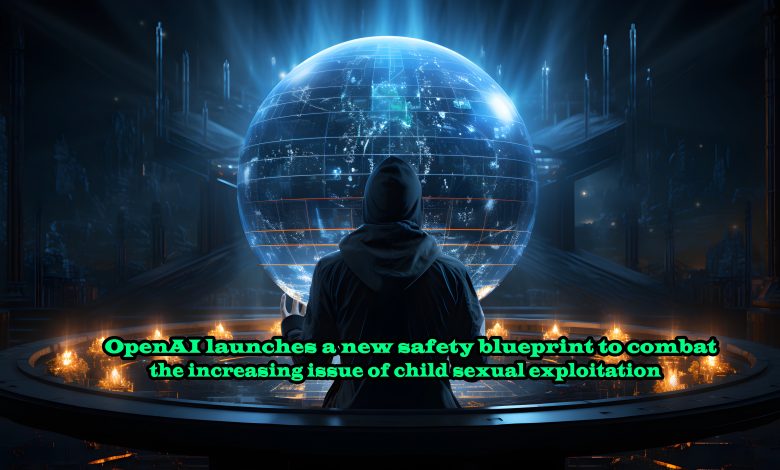
Amid growing concerns about online child safety, OpenAI released its ‘Child Safety Blueprint’ on Tuesday. This initiative is designed to strengthen U.S. protection measures by improving the detection, reporting, and investigation of AI-driven child exploitation cases.”
“The Child Safety Blueprint primarily aims to combat the disturbing surge in child sexual exploitation driven by AI advancements. According to the Internet Watch Foundation (IWF), there were over 8,000 reports of AI-generated child sexual abuse content during the first half of 2025—a 14% increase over the previous year. These malicious activities involve criminals utilizing AI to create fabricated explicit imagery for sextortion, as well as generating deceptive messages for grooming.”
“Facing mounting demands for action from policymakers, educators, and safety advocates—particularly in the wake of distressing reports linking youth suicides to AI chatbot interactions—OpenAI has developed this new strategy.”
Last November, the Social Media Victims Law Center and the Tech Justice Law Project filed seven lawsuits in California state courts, alleging that OpenAI released GPT-40 ahead of schedule. The plaintiffs contend that the chatbot’s psychologically manipulative design played a role in wrongful deaths, including both suicides and assisted suicides. The filings reference four fatalities, alongside three additional cases where individuals suffered from life-threatening delusions following prolonged engagement with the AI.”
“Developed in collaboration with the Attorney General Alliance and the National Center for Missing and Exploited Children (NCMEC), this blueprint also integrates key insights from North Carolina Attorney General Jeff Jackson.”Jackson and Utah Attorney General Derek Brown.”
OpenAI highlights three core components of its blueprint: pushing for legal updates on AI-generated abuse, improving how reports are filed with police, and adding safety features into AI systems. This strategy is meant to help spot risks sooner and get relevant details to investigators faster.
OpenAI’s latest child safety plan expands upon earlier efforts, such as revised interaction guidelines for users under 18. These rules strictly ban the creation of harmful material and self-harm encouragement, while also preventing the AI from helping minors hide risky activities from their guardians. Furthermore, the firm has recently launched a similar safety roadmap specifically for teenagers in India.