Education Trends 2026: 12 Powerful Changes Transforming Modern Learning


Introduction
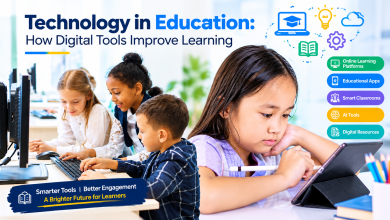
Education is changing faster than ever. Classrooms are no longer limited to textbooks, lectures, and traditional exams. Technology, artificial intelligence, flexible learning models, and new career demands are changing the way students learn and teachers teach.
The Education Trends 2026 landscape is especially interesting because learning is becoming more personalized, practical, and technology-driven. Students can now use AI-powered tools for research, practice difficult topics with digital resources, and learn new skills from almost anywhere. At the same time, schools and educators are placing greater importance on creativity, critical thinking, communication, and real-world problem-solving.
But technology alone cannot define the future of education. The most effective learning environment will combine digital tools with human guidance, meaningful interaction, and skills that machines cannot easily replace.
In this article, we explore 12 powerful changes transforming modern learning in 2026 and explain why they matter for students, teachers, parents, and education professionals.
1.AI-powered education is becoming more practical
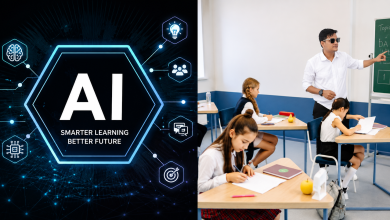
Artificial intelligence is one of the most important forces shaping education in 2026. Instead of being limited to experimental projects, AI is becoming a practical learning assistant for students and educators.
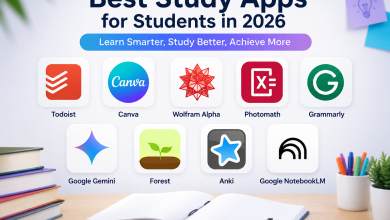
AI tools can help students explain difficult concepts, generate practice questions, organize notes, summarize complicated topics, and receive instant feedback. Teachers can also use AI to prepare lesson materials, create quizzes, and identify areas where students may need additional support.
However, AI should support learning rather than replace it. Students still need to verify information, think independently, and understand the subject instead of simply copying AI-generated answers.
This makes AI in Education 2026 less about replacing teachers and more about giving teachers and students better tools.
2.Personalized learning will grow
Students do not all learn at the same speed or in the same way. Personalized learning aims to make education more flexible by adapting lessons, activities, and learning materials to individual needs.
Digital platforms can use learning data to identify areas where a student is struggling and recommend additional practice. A student who understands a topic quickly may move ahead, while another student can spend more time building the necessary foundation.
This approach can make Modern Learning more student-centered and potentially more engaging.
The important point is that personalization should not mean learning alone. Teachers still play an important role in motivation, guidance, discussion, and emotional support.
3.Hybrid and online learning will remain important
The growth of online education has changed expectations about where learning can happen. In 2026, students can combine traditional classroom instruction with online courses, recorded lessons, digital resources, and virtual discussions.
Hybrid learning gives students greater flexibility. For example, a student might attend classroom lessons during the day and use an online platform in the evening to review difficult subjects.
This combination of physical and digital education can make learning more accessible, especially for people who have limited access to traditional educational resources.
The future is therefore unlikely to be completely online or completely offline. A balanced combination of both can offer greater flexibility.
4.AI tutors and digital learning assistants
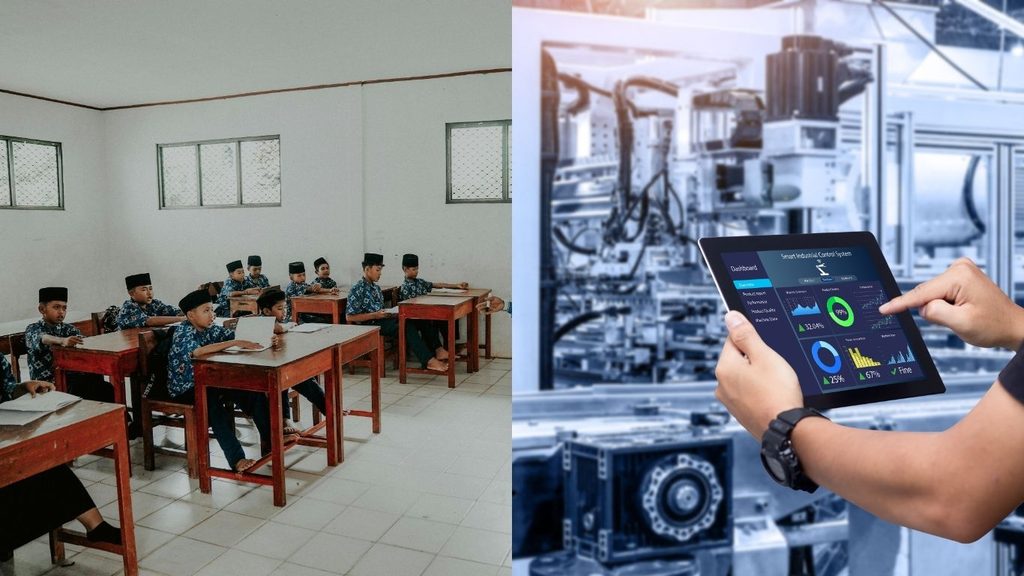
Another major development is the rise of AI-based learning assistants.
Traditional tutoring can be expensive or difficult to access for some students. AI tutors can provide explanations, practice exercises, and immediate responses at any time.
For example, a student learning mathematics could ask an AI assistant to explain a difficult formula step by step. A language learner could practice conversations and receive suggestions for improving vocabulary or grammar.
However, students should treat these tools as assistants rather than unquestionable authorities. AI systems can sometimes produce incorrect or misleading information.
Used responsibly, digital learning assistants can make studying more interactive and convenient.
5.Digital classrooms will become more interactive
A digital classroom is becoming more than a room with a projector and computer. Modern educational technology can create interactive learning experiences through simulations, digital whiteboards, educational platforms, quizzes, and collaborative tools.
Instead of only listening to a lecture, students can participate in activities, solve problems, explore visual models, and collaborate with classmates.
This shift can be especially useful for subjects that are difficult to understand through text alone.
For teachers, the challenge will be choosing technology that actually improves learning rather than using technology simply because it is new.
6.Skills based education will gain more attention
Academic qualifications remain important, but employers increasingly value practical abilities alongside formal education.
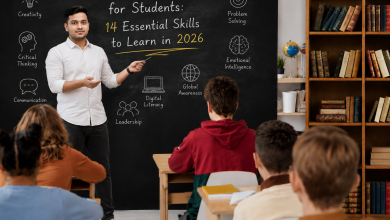
As a result, education is gradually placing greater emphasis on skills such as communication, teamwork, problem-solving, creativity, digital literacy, research, and adaptability.
Students may benefit from learning skills that can be demonstrated through projects and real-world tasks rather than relying only on examination results.
This is an important part of the Future of Education, where students are prepared not only to pass tests but also to solve real problems.
7.Critical thinking will become even more valuable
The availability of AI and instant online information makes critical thinking more important, not less.
Students can find thousands of answers within seconds, but finding information is not the same as knowing whether that information is reliable.
Modern education therefore needs to teach students how to:
- Compare different sources
- Identify misleading information
- Ask better questions
- Check evidence
- Analyze arguments
- Make independent decisions
These abilities help students become responsible users of technology and information.
In an AI-driven world, knowing how to think may become more valuable than simply memorizing information.
8.Microlearning will make studying more flexible
Many students struggle to dedicate several hours to learning every day. Microlearning offers an alternative by breaking educational content into smaller, focused lessons.
A student might spend 10–15 minutes learning a new concept, reviewing vocabulary, watching a short educational lesson, or completing a small practice activity.
This approach can fit more easily into busy schedules and can be useful for revision and skill development.
Microlearning does not replace deep study. Instead, it can work as a supporting method that makes regular learning easier to maintain.
9.Virtual and augmented reality can improve learning experiences

Virtual Reality (VR) and Augmented Reality (AR) are creating new possibilities for educational experiences.
Instead of only reading about historical locations, students could explore virtual environments. Science learners could interact with three-dimensional models, while medical students could practice concepts through immersive simulations.
These technologies can make abstract or difficult subjects easier to visualize.
However, cost, access, technical infrastructure, and teacher training remain important challenges. VR and AR will therefore likely grow gradually rather than replace traditional learning methods overnight.
10.Student well being will receive greater attention
Education is not only about academic performance. A student’s mental and emotional well-being can also influence concentration, motivation, attendance, and learning outcomes.
Schools and educators are increasingly recognizing the importance of creating environments where students feel supported and comfortable asking for help.
Healthy study routines, reasonable workloads, social connection, physical activity, and access to appropriate support can all contribute to better learning experiences.
A successful education system should therefore consider the whole student—not just grades and examination results.
11.Data and learning analytics will support better decision
Educational platforms can collect information about learning progress, participation, completed activities, and assessment results.
When used responsibly, this data can help teachers understand where students need additional support. Instead of waiting until a final examination reveals a problem, educators may be able to identify learning difficulties earlier.
For example, if many students repeatedly struggle with the same topic, a teacher can revisit that concept and use a different teaching method.
At the same time, privacy and responsible data use are essential. Schools should ensure that student information is handled securely and ethically.
12.Future ready skills will become a core part of education
The workplace of the future will continue to change as technology develops. Students therefore need more than knowledge from traditional subjects.
Important future-ready skills may include:
- Digital literacy
- AI literacy
- Communication
- Creativity
- Problem-solving
- Collaboration
- Adaptability
- Leadership
- Research skills
- Financial and media literacy
These skills can help students respond to changing career opportunities instead of preparing for only one specific job.
Education should give students the confidence to keep learning throughout their lives.
How these education trends can help students
The biggest benefit of these trends is not technology itself. It is the opportunity to create better learning habits
Students can use these changes to become more independent learners. For example, they can combine classroom teaching with online resources, use AI responsibly for practice, develop practical skills through projects, and regularly review their progress.
A simple strategy is to focus on three areas:
Learn: Build strong knowledge through reliable educational resources.
Practice: Use projects, exercises, discussions, and real-world activities to apply what you learn.
Improve: Review mistakes, ask questions, and continuously develop new skills.
This approach can make education more useful beyond examinations.
What teachers should focus on in 2026

Teachers remain central to the learning process, even as technology becomes more advanced.
Instead of competing with AI, educators can focus on areas where human guidance is especially valuable—mentoring, discussion, creativity, emotional support, ethical decision-making, and encouraging students to think independently.
Teachers can also experiment with digital tools while maintaining clear learning objectives.
The best technology is not necessarily the newest technology. It is the technology that helps students understand concepts, participate actively, and achieve meaningful learning outcomes.
Challenges behind the new education trends
Despite the potential benefits, the future of education also comes with challenges.
Not every student has equal access to high-speed internet, modern devices, or advanced learning platforms. Some teachers may also need additional training to use new technologies effectively.
There are concerns about AI-generated misinformation, student privacy, excessive screen time, academic dependence on technology, and the digital divide.
For these reasons, education technology should be introduced carefully. Schools need to consider accessibility, safety, teacher preparation, and the actual educational value of each tool.
Conclusion
The Education Trends 2026 are not simply about replacing traditional classrooms with technology. They represent a broader shift toward flexible, personalized, practical, and future-focused learning.
AI, digital education, personalized learning, interactive classrooms, microlearning, immersive technologies, and skills-based education are changing how knowledge is delivered and applied. At the same time, critical thinking, communication, creativity, well-being, and human connection remain essential.
The future of education will likely belong to learners who can combine strong foundational knowledge with the ability to adapt, question information, use technology responsibly, and continue learning throughout their lives.
For students and educators, the goal should not be to follow every new trend. Instead, it is to identify the changes that genuinely improve learning and use them thoughtfully.
A simple Advice for better learning
Education is changing quickly, so students should not depend only on traditional study methods. Try to learn new skills, use technology wisely, and develop critical thinking and problem-solving abilities. AI can be a helpful learning partner, but always use it to understand a topic rather than simply copying answers. Most importantly, stay curious, manage your time, and keep learning consistently. Small improvements every day can create big changes in your future. Remember, education is not only about getting good grades—it is about preparing yourself for real life and future opportunities.