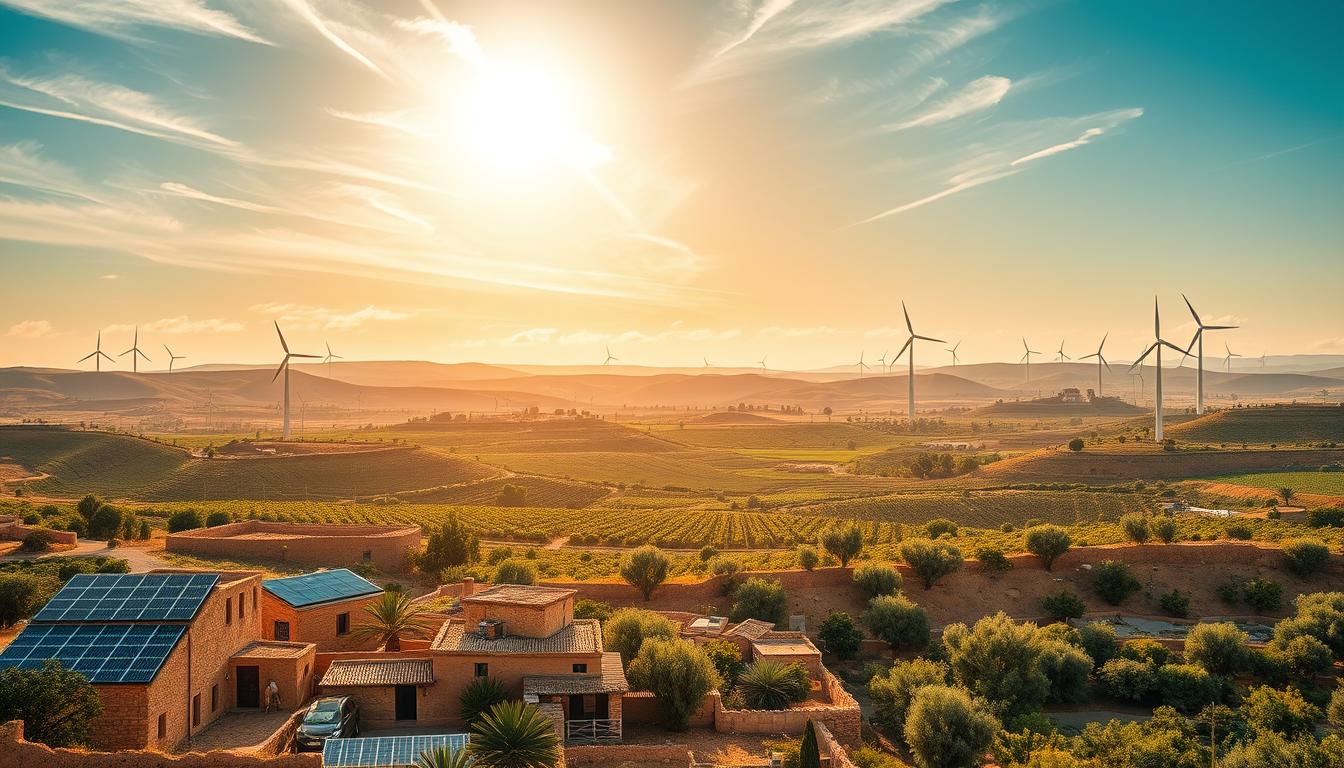
Palestine faces significant environmental challenges that impact its path to sustainable development.
The region’s unique geopolitical situation exacerbates issues such as water scarcity, waste management, and land degradation.
Addressing these environmental issues is crucial for ensuring a sustainable future for Palestine.
Key Takeaways
- Palestine’s environmental challenges are deeply intertwined with its geopolitical context.
- Sustainable development is critical for addressing environmental issues.
- Water scarcity is a significant environmental concern.
- Effective waste management is essential for environmental sustainability.
- Land degradation affects Palestine’s environmental and economic stability.
The Current State of Environmental Problems in Palestine
Understanding the current state of environmental problems in Palestine requires a nuanced look at its historical context and ongoing political realities. The region’s environmental degradation is a complex issue that has been influenced by various factors over the years.
Historical Context of Environmental Degradation
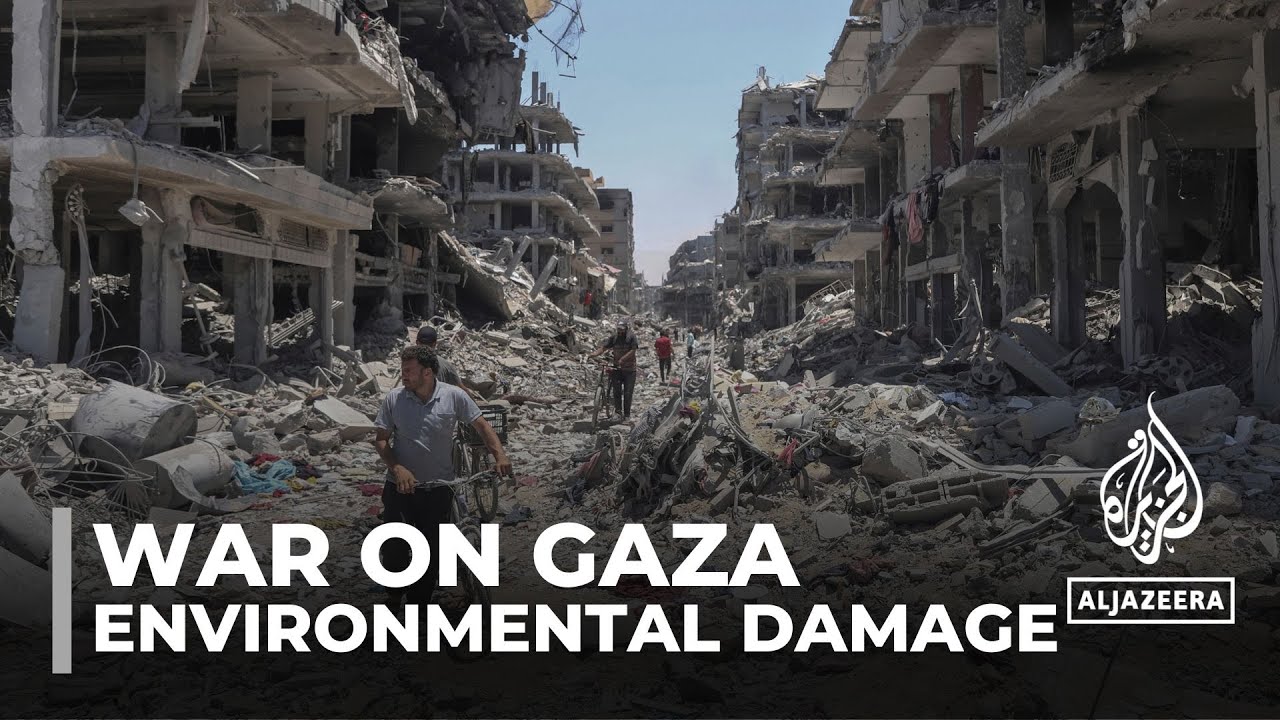
The historical context of environmental degradation in Palestine is marked by significant events that have shaped the region’s ecological landscape. Decades of conflict and political instability have led to the neglect of environmental conservation efforts. The exploitation of natural resources without sustainable practices has further exacerbated environmental issues.
Key Environmental Challenges Facing Palestinians Today
Palestinians today face numerous environmental challenges, including water scarcity, pollution, and loss of biodiversity. The region’s limited water resources are under threat from both climate change and political factors, making it a critical issue that needs to be addressed. Pollution, particularly in urban areas, poses significant health risks to the population.
The Intersection of Political Realities and Environmental Issues
The political realities in Palestine significantly impact environmental issues. Restrictions on movement and access to resources due to political tensions have hindered environmental conservation efforts. The table below illustrates the complex interplay between political factors and environmental degradation:
| Political Factor | Environmental Impact |
|---|---|
| Restrictions on Movement | Limit access to natural resources and conservation areas |
| Conflict and Instability | Neglect of environmental conservation efforts |
| Resource Exploitation | Overuse of water resources, loss of biodiversity |
Water Scarcity in Palestine: Causes and Solutions
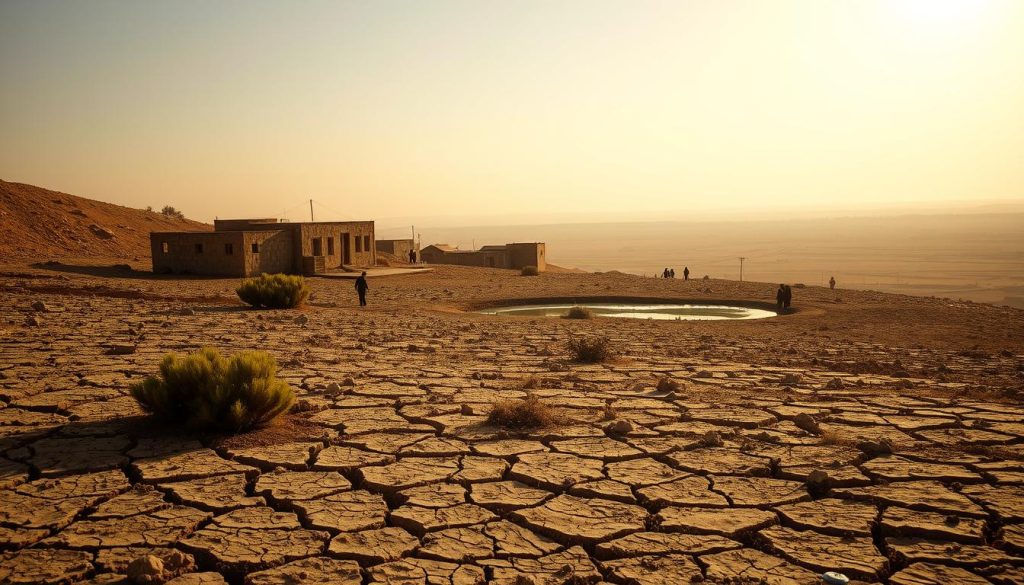
The struggle with water scarcity in Palestine is multifaceted, involving political, geographical, and climatic elements. This issue not only affects the daily lives of Palestinians but also has significant environmental implications.
Political and Geographical Factors Contributing to Water Shortages
The political landscape and geographical characteristics of Palestine play crucial roles in its water scarcity. Restrictions on water resource management due to political conflicts and the geographical constraints of being in a semi-arid region exacerbate the issue. The control over water resources is often limited by political boundaries and infrastructure constraints.
Climate Change Effects on Palestinian Water Resources
Climate change further complicates the water scarcity issue in Palestine. Changes in precipitation patterns and increased temperatures affect the availability of water resources. Understanding these impacts is crucial for developing effective strategies to mitigate water scarcity.
Practical Steps to Address Water Scarcity at Individual Level
Individual actions can significantly contribute to addressing water scarcity. By adopting water conservation practices and improving water quality, Palestinians can mitigate some of the challenges associated with water shortages.
Water Conservation Techniques for Households
Households can implement various water conservation techniques, such as using low-flow appliances and fixing leaks promptly. These actions not only conserve water but also reduce water bills.
Water Quality Testing and Treatment Methods
Ensuring water quality is as important as conserving water. Simple testing methods can identify contaminants, and treatment solutions like filtration systems can improve water quality, making it safer for consumption.
How to Implement Effective Water Management Strategies
Palestine’s water scarcity issues necessitate the adoption of innovative water management strategies. Effective water management is crucial for ensuring the sustainability of this vital resource.
Setting Up Rainwater Harvesting Systems
Rainwater harvesting is a practical solution for supplementing water supplies in Palestine. By collecting and storing rainwater, individuals and communities can reduce their reliance on scarce groundwater resources.
Materials and Equipment Needed
The materials required for setting up a rainwater harvesting system include a catchment area (roof), gutters, downspouts, and storage tanks. Durable materials should be chosen to ensure the longevity of the system.
Step-by-Step Installation Process
Installing a rainwater harvesting system involves several steps:
1. Assessing the catchment area and determining the potential for rainwater collection.
2. Installing gutters and downspouts to direct water flow.
3. Connecting the downspouts to storage tanks.
4. Ensuring the system is clean and free of debris.
Greywater Recycling for Gardens and Agriculture
Greywater recycling is another effective strategy for managing water resources. By reusing greywater (wastewater generated from sinks, showers, etc.) for irrigation, households can significantly reduce their water consumption.
Greywater recycling systems can be relatively simple to implement, involving the diversion of greywater to gardens or agricultural areas. However, it’s essential to ensure that the greywater is treated appropriately to avoid health risks.
Community-Based Water Management Solutions
Community-based initiatives play a vital role in water management. By working together, communities can implement sustainable water management practices, such as shared rainwater harvesting systems or cooperative greywater recycling projects.
| Strategy | Benefits | Implementation Steps |
|---|---|---|
| Rainwater Harvesting | Reduces reliance on groundwater, lowers water bills | Assess catchment area, install gutters and downspouts, connect to storage tanks |
| Greywater Recycling | Conserves water, reduces wastewater | Diverter installation, treatment (if necessary), irrigation system setup |
| Community-Based Solutions | Fosters community engagement, enhances water security | Community meetings, project planning, collaborative implementation |
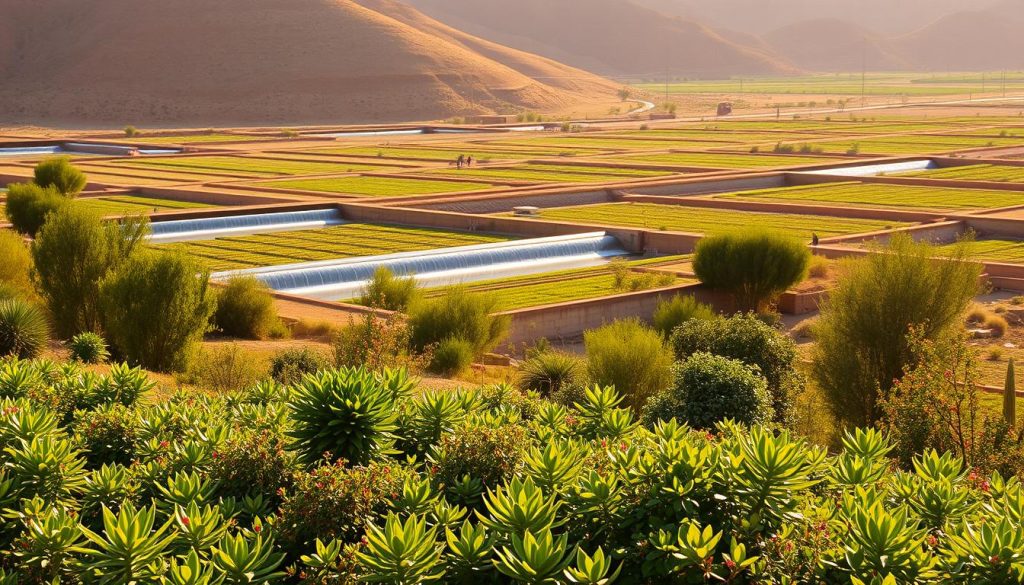
By adopting these water management strategies, Palestine can move towards a more sustainable future, ensuring that this vital resource is available for generations to come.
Waste Management Challenges and Solutions in Palestine
In Palestine, the challenges associated with waste management are multifaceted, requiring comprehensive solutions. The region faces numerous environmental issues, and improper waste disposal exacerbates these problems, affecting both the environment and public health.
Current Waste Disposal Practices and Their Environmental Impact
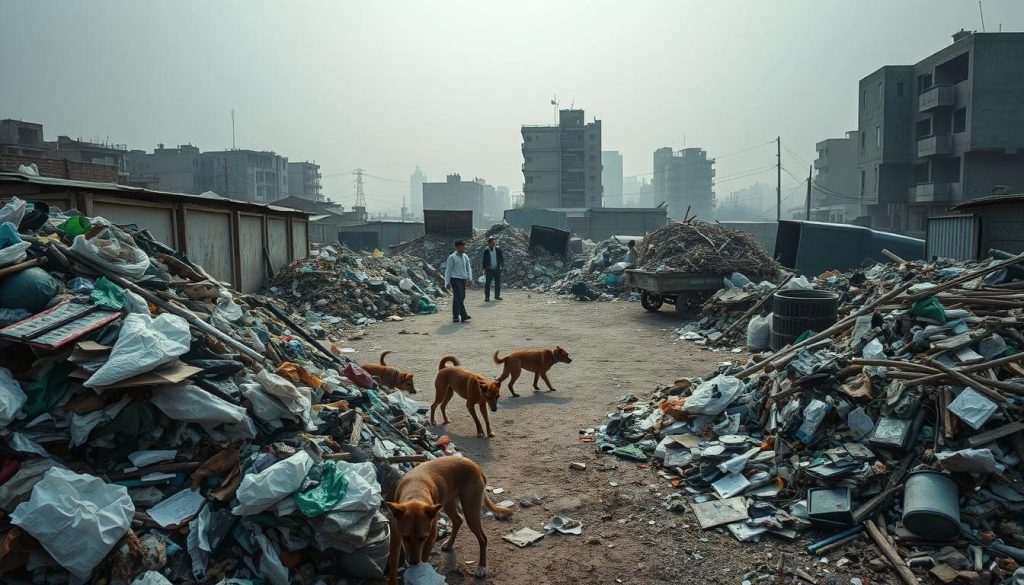
Currently, waste disposal practices in Palestine are inadequate, leading to significant environmental degradation. Much of the waste is disposed of in open dumps or through burning, which releases harmful pollutants into the air and contaminates water sources. This not only harms local ecosystems but also poses serious health risks to the population.
Health Consequences of Improper Waste Management
The health consequences of improper waste management in Palestine are severe. Inadequate waste disposal leads to the proliferation of disease vectors such as rodents and insects, increasing the risk of outbreaks of diseases like cholera and typhoid. Moreover, the pollution of water sources and air quality further compromises public health.
“The improper disposal of waste is a significant public health concern, necessitating immediate and effective waste management strategies.”
How to Start Community Recycling Initiatives
Community recycling initiatives are crucial for improving waste management in Palestine. To start such initiatives, communities can begin by organizing collection points and schedules, making it easier for residents to participate in recycling programs.
Organizing Collection Points and Schedules
Effective collection systems are the backbone of any recycling initiative. Communities should designate specific collection points and establish regular schedules to ensure consistent participation.
Connecting with Recycling Facilities and Markets
To make recycling initiatives sustainable, it is essential to connect with recycling facilities and markets. This involves identifying local businesses that can process recyclable materials and creating a market for recycled products.
| Recyclable Material | Collection Method | Recycling Facility |
|---|---|---|
| Plastic Bottles | Designated Bins | Local Recycling Plant |
| Paper and Cardboard | Community Collection Points | Regional Recycling Center |
| Glass | Drop-off Locations | Glass Recycling Facility |
By implementing these strategies, communities in Palestine can significantly improve their waste management practices, reducing environmental impact and enhancing public health.
How to Reduce Waste at Household and Community Levels
Reducing waste is a critical step towards mitigating environmental problems in Palestine. By adopting simple practices and strategies, households and communities can significantly minimize their waste output, contributing to a cleaner and healthier environment.
Implementing the 5Rs: Refuse, Reduce, Reuse, Repurpose, Recycle
The 5Rs offer a comprehensive approach to waste reduction. Refusing unnecessary items, reducing consumption, reusing products, repurposing materials, and recycling waste can significantly decrease the amount of waste generated.
- Refuse: Decline single-use plastics and unnecessary packaging.
- Reduce: Buy in bulk and choose products with minimal packaging.
- Reuse: Use reusable bags, containers, and water bottles.
- Repurpose: Turn old items into new, useful products.
- Recycle: Ensure to recycle materials like paper, plastic, glass, and metal.
Setting Up Home Composting Systems
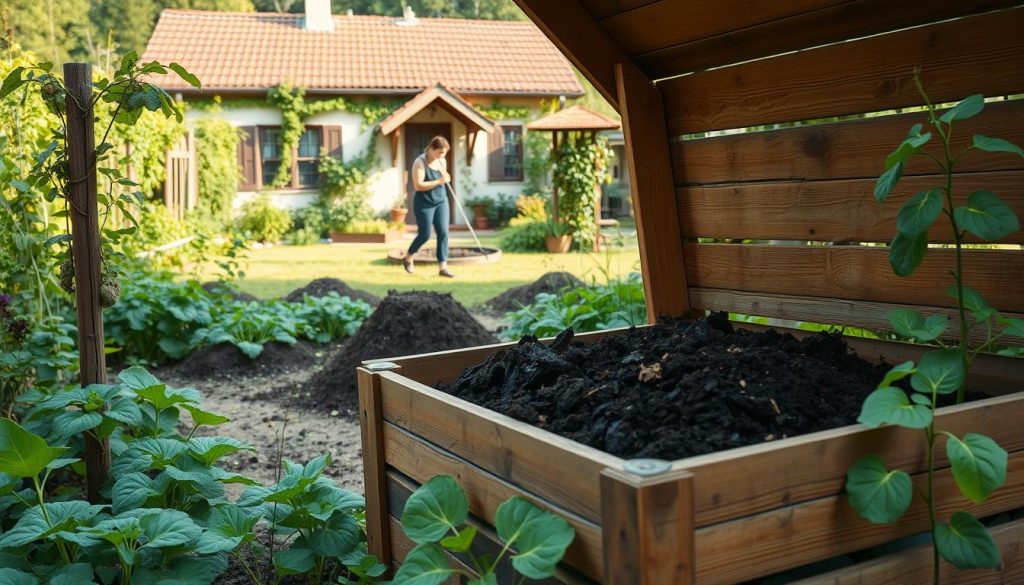
Home composting is an effective way to manage organic waste. By composting kitchen scraps and yard waste, households can reduce their waste output and create a nutrient-rich soil amendment for gardening.
Materials Needed and Setup Instructions
To start composting, you’ll need a compost bin or pile, brown materials (like dried leaves), and green materials (like kitchen scraps). Layer these materials in the bin, maintaining a balance between brown and green materials.
Maintaining Your Compost and Using the End Product
Regularly turn the compost pile to aerate it and speed up decomposition. The finished compost can be used to fertilize plants, improving soil health and structure.
Organizing Community Clean-Up Campaigns
Community clean-up campaigns can bring people together to tackle waste issues on a larger scale. Organizing such events involves planning, coordination, and community engagement.
| Steps to Organize | Description |
|---|---|
| 1. Planning | Identify a location, date, and time for the clean-up. |
| 2. Coordination | Contact local authorities, community groups, and volunteers. |
| 3. Engagement | Promote the event through social media and local networks. |
Addressing Air and Soil Pollution in Palestinian Territories
The Palestinian territories face significant environmental challenges, including air and soil pollution. These issues are intertwined with the political and geographical complexities of the region, exacerbating the environmental degradation.
Major Sources of Environmental Pollution in Palestine
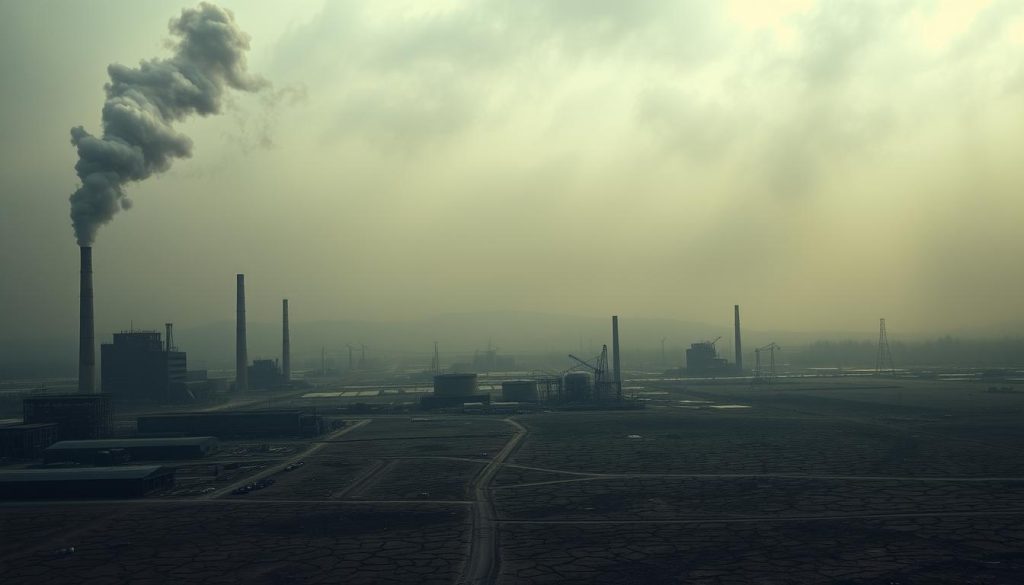
The primary sources of air pollution in Palestine include vehicular emissions, industrial activities, and the burning of waste. Soil pollution is largely attributed to agricultural practices, industrial waste, and the use of contaminated water for irrigation.
Health Risks Associated with Pollution Exposure
Exposure to air and soil pollution poses significant health risks to the Palestinian population. Respiratory diseases, cardiovascular conditions, and various forms of cancer are linked to poor air quality. Soil pollution can lead to the ingestion of toxic substances through contaminated food and water.
Practical Steps to Reduce Exposure to Pollutants
To mitigate the effects of pollution, individuals and communities can take several practical steps. Improving indoor air quality and remediating contaminated soil are crucial measures.
Indoor Air Quality Improvement Methods
Using air purifiers, ensuring proper ventilation, and reducing indoor pollution sources can significantly improve indoor air quality.
Soil Testing and Remediation Techniques
Conducting soil tests to identify contaminants and using remediation techniques such as phytoremediation can help restore soil health.
| Pollution Type | Sources | Health Risks | Mitigation Measures |
|---|---|---|---|
| Air Pollution | Vehicular emissions, industrial activities | Respiratory diseases, cardiovascular conditions | Air purifiers, proper ventilation |
| Soil Pollution | Agricultural practices, industrial waste | Ingestion of toxic substances | Soil testing, phytoremediation |
By understanding the sources of pollution and taking proactive steps to mitigate their impact, Palestinians can work towards a healthier environment.
Sustainable Agriculture Methods to Combat Environmental Degradation in Palestine
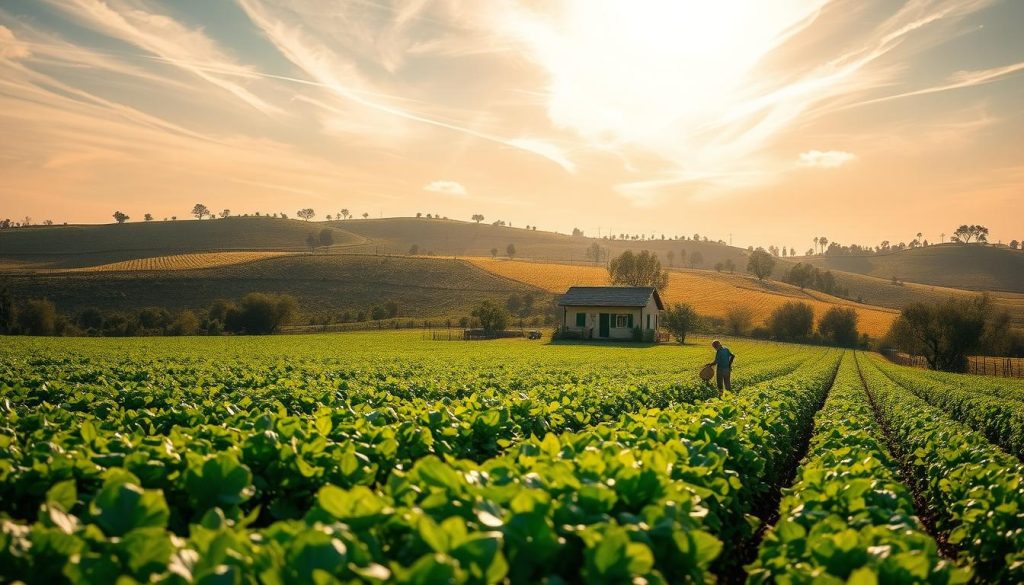
The adoption of sustainable agriculture methods is vital for Palestine’s environmental sustainability. As the region faces numerous environmental challenges, including water scarcity and soil degradation, sustainable farming practices offer a promising solution.
Implementing Drought-Resistant Farming Techniques
Drought-resistant farming is a critical strategy for Palestine, where water scarcity is a significant issue. This approach involves selecting crop varieties that are resilient to drought conditions and implementing water-efficient irrigation methods.
Selecting Appropriate Crop Varieties
Choosing the right crops is essential for drought-resistant farming. Crops such as barley and olives are well-suited to Palestine’s climate and can thrive with minimal water.
Water-Efficient Irrigation Methods
Irrigation techniques like drip irrigation can significantly reduce water usage. This method delivers water directly to the roots of plants, minimizing evaporation and runoff.
Starting an Organic Garden in Limited Space
Organic gardening is another sustainable practice that can be adopted even in limited spaces. Using natural fertilizers and pest control methods, individuals can grow their own fruits and vegetables without harming the environment.
“Organic farming is not just about producing food; it’s about creating a sustainable ecosystem that benefits both people and the planet.”
Urban Agriculture Initiatives for Food Security
Urban agriculture initiatives can enhance food security in Palestinian cities. By utilizing rooftops and vacant lots for gardening, communities can increase their access to fresh produce.
| Sustainable Practice | Benefits |
|---|---|
| Drought-Resistant Farming | Water conservation, increased crop resilience |
| Organic Gardening | Reduced chemical use, healthier produce |
| Urban Agriculture | Increased food security, community engagement |
Renewable Energy Solutions for Palestine’s Environmental Problems
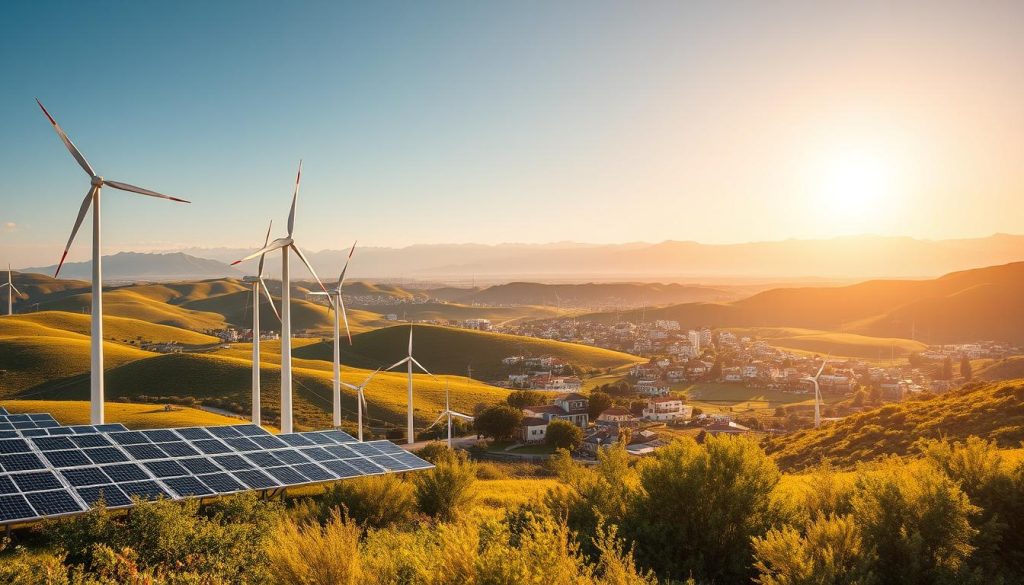
The shift towards renewable energy is crucial for addressing environmental degradation in Palestine. As the region faces significant environmental challenges, adopting sustainable energy sources can play a pivotal role in mitigating these issues.
Assessing Solar Energy Potential for Your Home or Community
Solar energy is a viable option for Palestine, given its abundant sunlight throughout the year. Assessing the solar energy potential involves evaluating the available sunlight and the energy requirements of a household or community.
Calculating Energy Needs and System Requirements
To effectively utilize solar energy, it’s essential to calculate your energy needs. This involves assessing your daily energy consumption and determining the appropriate size of the solar panel system required.
Finding Affordable Solar Solutions
While the initial investment in solar energy can be significant, there are various financing options and incentives available that can make solar solutions more affordable for Palestinian households and communities.
Small-Scale Wind and Biogas Energy Options
In addition to solar energy, small-scale wind and biogas energy can provide supplementary renewable energy sources. Wind turbines can be installed in areas with suitable wind speeds, while biogas generators can utilize organic waste to produce energy.
| Renewable Energy Source | Potential Benefits | Implementation Challenges |
|---|---|---|
| Solar Energy | Abundant sunlight, reduced electricity bills | High initial investment, space requirements |
| Wind Energy | Supplementary energy source, reduced reliance on fossil fuels | Intermittent wind speeds, noise and aesthetic concerns |
| Biogas Energy | Utilizes organic waste, reduces waste disposal issues | Requires organic waste supply, maintenance needs |
Energy Conservation Strategies for Palestinian Households
Alongside adopting renewable energy sources, implementing energy conservation strategies can significantly reduce overall energy consumption. This includes using energy-efficient appliances, improving insulation, and promoting behavioral changes.
By combining renewable energy solutions with energy conservation practices, Palestinian households can contribute to a more sustainable environmental future.
How to Build Environmental Awareness and Education Programs
Creating effective environmental awareness initiatives is essential for promoting ecological conservation in Palestine. Environmental education programs can empower communities to adopt sustainable practices and mitigate the environmental challenges they face.
Developing School-Based Environmental Curricula
Integrating environmental education into school curricula is a proactive step towards fostering a culture of sustainability among young Palestinians. This can include topics such as conservation, sustainable agriculture, and the importance of biodiversity.
For instance, schools can incorporate hands-on activities like tree planting and waste management projects to give students practical experience in environmental stewardship.
Organizing Community Workshops and Training
Community workshops and training programs can educate adults on sustainable practices, such as water conservation and renewable energy use. These initiatives can be organized in collaboration with local NGOs and community centers.
“Education is the most powerful tool which you can use to change the world.” – Nelson Mandela
Using Social Media for Environmental Advocacy in Palestine
Social media platforms offer a powerful tool for environmental advocacy, allowing activists to raise awareness and mobilize support for environmental causes. Campaigns can share informative content, success stories, and calls to action to engage the public.
Creating Effective Environmental Campaigns
Effective campaigns are clear, concise, and visually engaging. They should have specific goals and utilize multiple channels to reach a wider audience.
Building Networks of Environmental Activists
Building a network of environmental activists can amplify the impact of advocacy efforts. This involves connecting with like-minded individuals and organizations to collaborate on projects and share resources.
| Strategy | Description | Impact |
|---|---|---|
| School Curricula | Integrate environmental education into schools | Fosters sustainability awareness among youth |
| Community Workshops | Organize training on sustainable practices | Educates adults on environmental conservation |
| Social Media | Utilize platforms for environmental advocacy | Raises awareness and mobilizes public support |
Conclusion: Creating a Sustainable Future for Palestine
Addressing environmental problems in Palestine requires a multifaceted approach that involves individuals, communities, and policymakers. The preceding sections have highlighted the pressing issues of water scarcity, waste management, air and soil pollution, and the potential for sustainable agriculture and renewable energy.
Creating a sustainable future for Palestine is crucial for the well-being of its people and the environment. By adopting sustainable practices, such as rainwater harvesting, greywater recycling, and reducing waste, Palestinians can mitigate the impact of environmental degradation.
Promoting sustainable development in Palestine is essential for achieving a sustainable future. This involves implementing effective water management strategies, investing in renewable energy, and adopting sustainable agriculture methods. Collective action is necessary to address the environmental challenges facing Palestine.
By working together, Palestinians can create a more sustainable and environmentally conscious future, ensuring a healthier and more prosperous life for generations to come, aligning with the goals of sustainable development in Palestine, and securing a sustainable future.
FAQ
What are the main environmental problems facing Palestine?
Palestine faces numerous environmental challenges, including water scarcity, waste management issues, air and soil pollution, and environmental degradation due to political and geographical factors.
How does climate change affect water resources in Palestine?
Climate change exacerbates water scarcity in Palestine by altering precipitation patterns, increasing evaporation rates, and reducing the overall availability of freshwater resources.
What can individuals do to address water scarcity in Palestine?
Individuals can adopt water conservation techniques, such as using low-flow appliances, fixing leaks, and implementing rainwater harvesting systems to reduce their water consumption.
How can communities in Palestine start recycling initiatives?
Communities can start recycling initiatives by organizing collection points and schedules, connecting with recycling facilities and markets, and promoting awareness about the importance of recycling.
What are some effective strategies for reducing waste at household and community levels?
Implementing the 5Rs (Refuse, Reduce, Reuse, Repurpose, Recycle), setting up home composting systems, and organizing community clean-up campaigns are effective strategies for minimizing waste.
How can Palestinian households adopt renewable energy solutions?
Households can assess their solar energy potential, consider small-scale wind and biogas energy options, and implement energy conservation strategies to reduce their reliance on non-renewable energy sources.
What role can education play in addressing environmental problems in Palestine?
Education can play a crucial role in raising environmental awareness, promoting sustainable practices, and empowering communities to take action against environmental degradation.
How can social media be used for environmental advocacy in Palestine?
Social media can be used to create effective environmental campaigns, build networks of environmental activists, and raise awareness about environmental issues and sustainable practices.
What are some sustainable agriculture methods that can be adopted in Palestine?
Drought-resistant farming techniques, organic gardening, and urban agriculture initiatives are sustainable agriculture methods that can help combat environmental degradation and promote food security.