
Managing stress is key for our health. Too much stress can cause serious health problems. So, finding good ways to reduce it is very important.
There are many holistic stress relief methods that can help. Sources like Mayo Clinic and Medical News Today say that exercise, meditation, and aromatherapy can lower stress. These natural remedies are proven to work.
Adding these stress relief remedies to our daily lives can help us manage stress better. This can also improve our health in general.
Key Takeaways
- Exercise is a natural stress reliever.
- Meditation helps calm the mind.
- Aromatherapy can reduce anxiety.
- Holistic approaches promote overall well-being.
- Simple lifestyle changes can significantly reduce stress.
Understanding Stress: Causes and Effects
In today’s fast world, knowing about stress is key to staying well. Stress impacts both our minds and bodies.
The Science of Stress
Stress happens when we face a change or challenge. Our body’s “fight or flight” response kicks in, releasing hormones like adrenaline and cortisol. This natural response is meant to be a temporary solution, helping us react to immediate threats.
The science behind stress involves how our brain and body work together. The hypothalamic-pituitary-adrenal (HPA) axis is key, controlling stress hormone release.
Common Stress Triggers
Finding out what stresses us is the first step to managing it. Work pressures, financial worries, and personal relationships are big stressors for many.
- Workplace stress: Long hours, tight deadlines, and lack of control over work.
- Financial stress: Debt, insufficient income, and financial insecurity.
- Personal stress: Relationship issues, health concerns, and significant life changes.
Long-Term Effects of Stress
Long-term stress can harm our health a lot. It can raise the risk of heart disease, anxiety, and depression, as the American Psychological Association says.
| Health Issue | Effect of Chronic Stress |
|---|---|
| Heart Disease | Increased risk due to high blood pressure and cardiovascular strain. |
| Anxiety Disorders | Heightened anxiety levels can lead to disorders such as generalized anxiety. |
| Depression | Chronic stress can contribute to the development of depressive disorders. |
Knowing about stress is vital for finding good stress management techniques and stress relief remedies. This can help us naturally reduce stress.
The Role of Lifestyle in Stress Management
Living a healthy lifestyle is key to fighting stress. Making smart choices about what we eat, how we exercise, and how much we sleep can lower stress. This part looks at the main parts of a lifestyle that helps manage stress.
Importance of a Balanced Diet
Eating right is vital for managing stress. Foods full of nutrients keep us healthy and strong against stress. Nutritional gaps can make stress worse, so it’s important to eat a variety of fruits, veggies, whole grains, and lean meats.
The Mayo Clinic says, “A balanced diet and regular exercise can lower stress.” A healthy body can better handle stress, showing how diet is key in managing it.
Exercise as a Stress Reliever
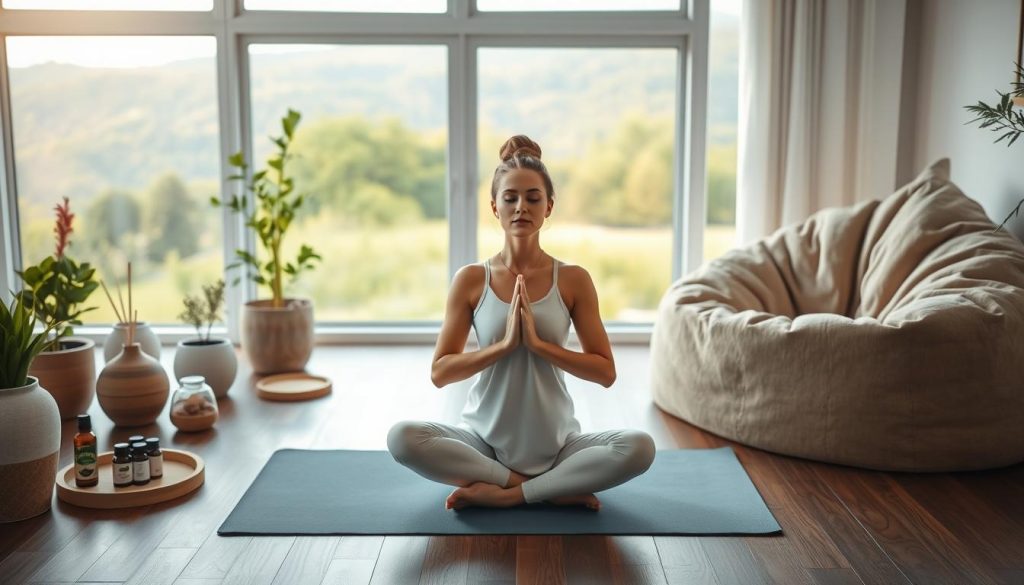
Exercise is a great way to reduce stress. It releases endorphins, or “happy” hormones. Activities like walking, jogging, or yoga can boost mood and lower stress.
- Reduces stress hormones
- Releases endorphins
- Improves sleep quality
Sleep Quality and Stress Reduction
Good sleep is essential for managing stress. It helps control stress hormones and keeps our minds healthy. Having a regular sleep schedule and a calm sleep space are key to better sleep.
| Sleep Habit | Benefit |
|---|---|
| Consistent sleep schedule | Regulates stress hormones |
| Restful sleep environment | Improves sleep quality |
| Avoiding caffeine before bedtime | Enhances relaxation |
By adding a balanced diet, regular exercise, and good sleep to our lives, we can manage stress better. These lifestyle changes not only reduce stress but also improve our overall health.
Herbal Remedies for Stress Relief
Nature gives us many herbal remedies to fight stress and find calm. For ages, herbs have helped ease anxiety and boost well-being. Let’s look at some top herbal stress relievers.
Chamomile: The Relaxation Herb
Chamomile is famous for its calming effects. It’s been used for ages to soothe anxiety and ensure a restful sleep. The antioxidants in chamomile also fight inflammation and boost health.
Lavender: Aromatherapy Benefits
Lavender is known for its stress-fighting powers. Using lavender oil in aromatherapy calms the mind and lowers anxiety. You can find it in essential oils, teas, and creams.
Ashwagandha: An Adaptogenic Powerhouse
Ashwagandha is a stress-fighting herb from Ayurvedic medicine. It helps the body handle stress, promoting balance and well-being. It can lower cortisol, improve sleep, and build stress resistance.
These herbal remedies are natural and effective for stress and anxiety. Adding them to your daily life can lead to relaxation and better living.
Mindfulness and Meditation Techniques
Mindfulness and meditation are great for stress relief and overall well-being. They help manage stress and improve mental health when used daily.
Introduction to Mindfulness
Mindfulness means being fully present and not judging. It helps stop worrying by focusing on now. The National Center for Complementary and Integrative Health says it lowers stress and anxiety.
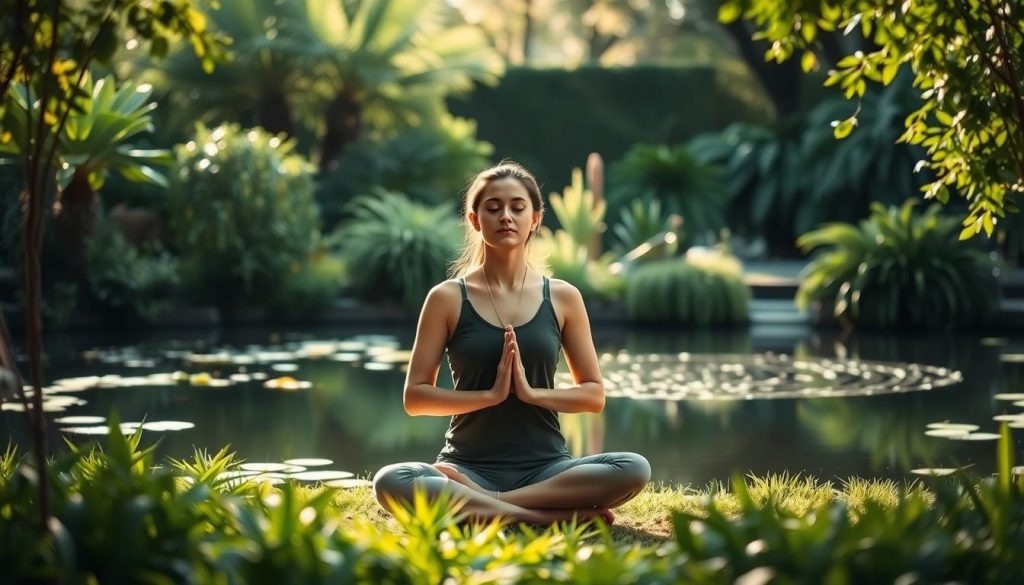
To start mindfulness, try simple exercises like focusing on your breath or body. Regular practice improves emotional control and lowers stress.
Types of Meditation for Stress
Meditation offers many ways to relax and reduce stress. Here are some common types:
- Mindfulness meditation: Focuses on being present in the moment.
- Loving-kindness meditation: Emphasizes cultivating love and compassion.
- Transcendental meditation: Uses a mantra to quiet the mind.
- Guided meditation: Involves following a guided audio to achieve relaxation.
Each type of meditation can be chosen based on personal preference. This makes it easy to fit into daily life.
Benefits of Deep Breathing Exercises
Deep breathing is a simple yet powerful way to reduce stress. It calms the nervous system and lowers stress levels.
| Benefit | Description |
|---|---|
| Reduces Stress | Helps in calming the nervous system. |
| Improves Focus | Enhances concentration by promoting mindfulness. |
| Promotes Relaxation | Encourages a state of calm and relaxation. |
Deep breathing can be done anywhere. It’s a handy way to manage stress.
Natural Supplements for Stress Relief
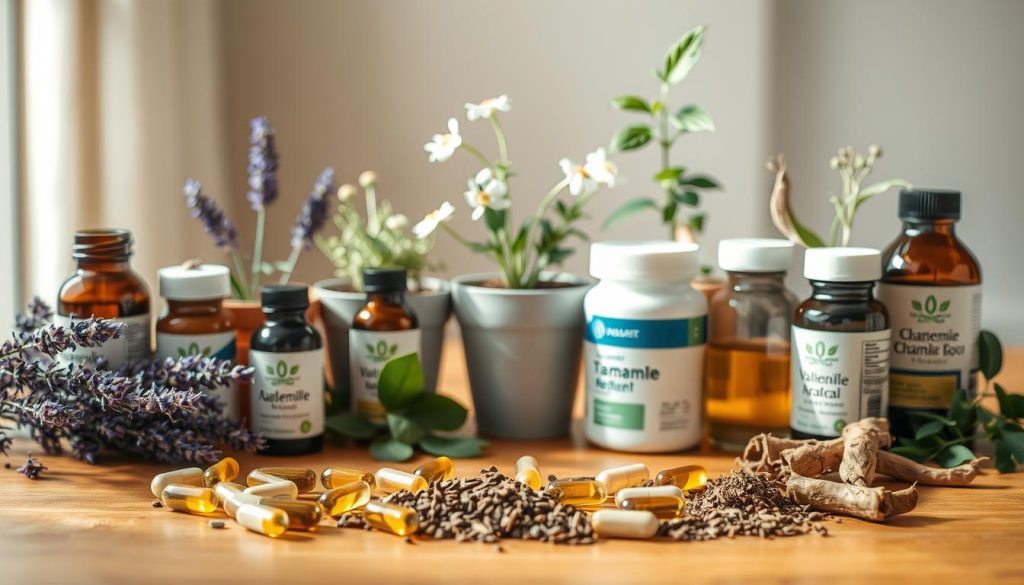
Looking for ways to manage stress? Natural supplements can be a great help. They can ease stress and boost your overall health.
Omega-3 Fatty Acids
Omega-3 fatty acids are good for your brain and body. They fight inflammation and support brain health. Studies show they can lower stress and anxiety by balancing brain chemistry.
Key benefits of omega-3 fatty acids include:
- Reducing inflammation
- Supporting brain health
- Aiding in the reduction of stress hormones
B Vitamins and Their Importance
B vitamins are key for energy and nerve health. They also help manage stress by keeping the nervous system in check.
The importance of B vitamins can be seen in their ability to:
- Support energy production
- Maintain healthy nerve function
- Help regulate stress response
Magnesium for Muscle Relaxation
Magnesium is vital for muscle relaxation and function. It helps prevent muscle cramps and spasms, which stress can worsen.
Magnesium’s benefits for stress relief include:
- Relaxing muscles
- Reducing muscle cramps and spasms
- Promoting better sleep quality
Adding these natural supplements to your routine can help manage stress. They support your overall well-being.
Essential Oils for Stress Management
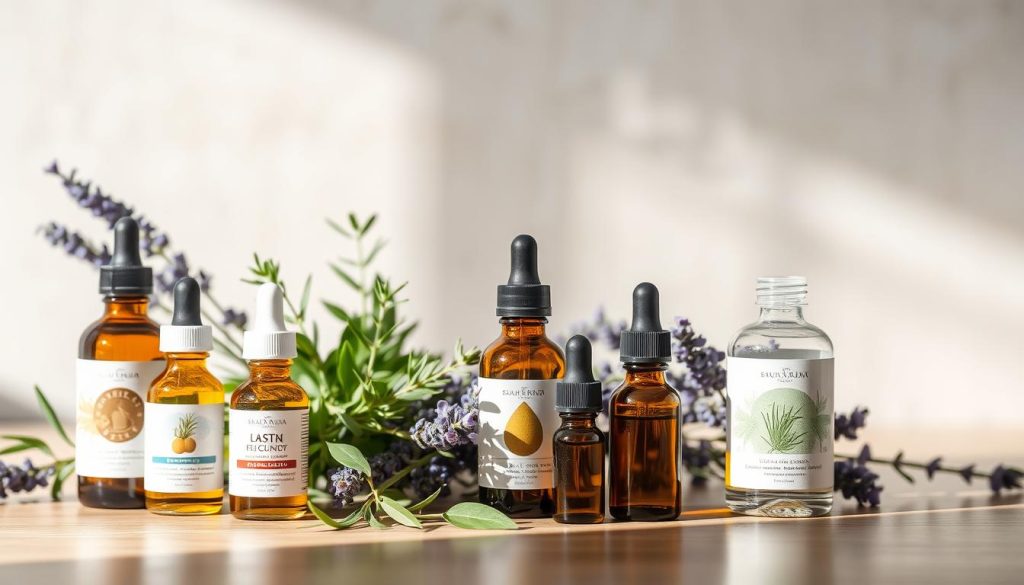
Aromatherapy uses essential oils to help manage stress and improve well-being. These oils can add a calming touch to your stress routine. They help you relax and feel better.
The Mayo Clinic says lavender and frankincense oils are great for relaxation. You can use them in diffusers, apply them to your skin, or breathe them in.
Tea Tree Oil: Nature’s Antiseptic
Tea tree oil is not just good for fighting germs. It also calms your mind and body. It helps reduce stress and anxiety by making you feel clear and calm.
Peppermint Oil for Clarity and Focus
Peppermint oil is refreshing and boosts focus. It’s great for when you’re stressed and need to concentrate. It helps you stay sharp and avoid feeling tired.
Frankincense for Grounding Emotions
Frankincense oil helps calm your emotions. It’s often used in meditation to bring peace and relaxation. It reduces stress and anxiety.
Adding these essential oils to your daily life is easy and effective. You can use them in diffusers, baths, or massages. They offer a natural way to manage stress.
The Power of Nature and the Outdoors
Spending time in nature is a simple way to manage stress. Being outdoors is good for both your mind and body.
Benefits of Spending Time Outside
Studies show that being outside can lower stress and boost mood. Medical News Today found that nature can reduce cortisol, blood pressure, and heart rate. These are signs of stress.
Nature therapy, or ecotherapy, is gaining recognition. It uses nature to help with stress and mental health.
Gardening as a Stress-Relief Activity
Gardening connects you with nature and helps you relax. It’s a physical activity that reduces stress. Plus, it makes you feel accomplished.
- Gardening is calming and meditative.
- It helps you disconnect from tech and reconnect with nature.
- It can lessen anxiety and depression symptoms.
Nature Walks: A Quick Reset
A nature walk is a quick way to reset and reduce stress. It clears your mind, lets you enjoy nature, and gets you moving.
| Activity | Benefits | Tips for Incorporation |
|---|---|---|
| Spending Time Outside | Reduces stress, improves mood | Schedule outdoor time into your daily routine |
| Gardening | Promotes relaxation, boosts self-esteem | Start with a small herb garden or a few plants |
| Nature Walks | Reduces stress, improves mental clarity | Find a local park or trail and take a short walk during your lunch break |
Adding these activities to your daily life can help you find holistic stress relief. It can also improve your overall well-being.
Yoga and Its Stress-Relieving Benefits
Yoga is a holistic practice that helps with both physical and mental stress. The Mayo Clinic says it combines movement with deep breathing. This can help lower stress and anxiety.

Variety of Yoga Practices
Yoga has many styles, each with its own benefits. Some popular ones are:
- Hatha Yoga: Focuses on physical postures and breathing techniques.
- Vinyasa Yoga: Involves synchronizing breath with movement.
- Ashtanga Yoga: A fast-paced, physically demanding practice.
- Iyengar Yoga: Emphasizes precise alignment and the use of props.
These styles let people pick what fits their needs and likes. This makes yoga a great stress management technique.
Stress-Relieving Poses
Some yoga poses are great for easing stress. Here are a few:
- Child’s Pose (Balasana): Promotes relaxation and reduces fatigue.
- Downward-Facing Dog (Adho Mukha Svanasana): Stretches and strengthens the body.
- Seated Forward Fold (Paschimottanasana): Relaxes the mind and stretches the back.
- Legs Up The Wall Pose (Viparita Karani): Calms the nervous system.
Doing these poses often can help a lot with relaxation techniques for stress and well-being.
The Mind-Body Connection
Yoga connects the mind and body through postures, breathing, and meditation. This approach helps reduce stress. It improves mindfulness for stress relief, controls breathing, and promotes calm.
“The practice of yoga is not just about physical postures; it’s about creating a sense of inner peace and balance.”
This connection is key for managing stress. Yoga is a valuable tool for those looking to lower stress and enhance their life quality.
Music and Stress Relief
Music and stress relief are closely linked, affecting our mood and stress levels. It offers a valuable tool for managing stress.
The Science of Music Therapy
Music therapy is a real therapy that helps reduce stress and anxiety. Research has shown it can lower cortisol, heart rate, and blood pressure. These are signs of stress.
The brain’s reward system is stimulated by music therapy. This releases dopamine, making us feel pleasure and relaxation.

Creating a Calming Playlist
Making a playlist for relaxation is therapeutic. Include tracks with slow tempos and soothing melodies. Nature sounds and soft instrumental music are great choices.
- Choose music with a consistent beat to help regulate your heart rate.
- Opt for music with calming lyrics or, better still, instrumental tracks.
- Experiment with different genres to find what works best for you.
Playing an Instrument for Stress Reduction
Playing an instrument is a fun way to reduce stress. It’s meditative and distracts from daily worries. Learning to play an instrument boosts self-esteem and sense of accomplishment.
| Instrument | Stress Relief Benefits | Skill Level |
|---|---|---|
| Piano | Promotes relaxation, improves cognitive function | Beginner to Advanced |
| Guitar | Enhances mood, provides a creative outlet | Beginner to Advanced |
| Drums | Reduces anxiety, improves focus | Beginner to Advanced |
By adding music to your daily routine, you can use its stress-relieving benefits. This improves your overall well-being.
Journaling as a Stress-Relief Tool
Writing down your thoughts and feelings can be very helpful. It’s a natural way to reduce stress. Journaling lets you process your emotions, gain new insights, and see life in a more positive light.
How Writing Can Help
Journaling is a safe place to share your feelings without worry. It helps you understand what causes you stress and how to handle it. Studies show that journaling can improve your mental health, lowering stress and anxiety.
Benefits of Journaling for Stress Relief:
- Provides an outlet for emotions
- Helps identify stress triggers
- Enhances self-awareness
- Supports problem-solving
Prompts for Stress Journaling
If you’re new to journaling, prompts can help you get started. Here are some examples:
- What are my current stressors?
- How did I manage stress today?
- What are three things I’m grateful for?
These prompts can guide your journaling, helping you reflect on your experiences and feelings.
The Impact of Gratitude Journaling
Gratitude journaling focuses on what you’re thankful for. It’s been shown to improve your mental health, making you happier and less stressed.
| Gratitude Journaling Benefits | Description |
|---|---|
| Increases Positive Emotions | Focusing on gratitude enhances feelings of happiness and well-being. |
| Improves Sleep Quality | Reflecting on gratitude before bed can lead to better sleep. |
| Enhances Resilience | Gratitude journaling can help individuals cope with stress and adversity. |

Adding journaling to your daily routine can be a powerful way to manage stress and improve your overall well-being.
Social Connections and Support Systems
Building strong social connections can help reduce stress. Having a good support system is key for our emotional and mental health. It’s a big part of holistic stress relief.

The Importance of Socializing
Socializing is more than just being around people. It’s about creating meaningful relationships that help us deal with life’s tough times. The Mayo Clinic says that support from friends, family, and community is crucial for managing stress.
Being social can take our minds off stress, boost our mood, and make us more resilient. It’s important to make time for social activities, like going for coffee or having family dinners.
Support Groups and Community Resources
Support groups let us connect with others facing similar issues. They offer a safe place to share, get support, and learn how to cope. Community resources, like local clubs and online forums, help us grow our social networks.
Getting involved in community activities helps us build new relationships and find purpose. This is important for natural stress reduction. By engaging with our community, we build a strong support network for stressful times.
Building Positive Relationships
Creating positive relationships is key for managing stress. It means having supportive, positive, and uplifting connections. It’s about being around people who uplift us and whom we can support too.
To build these relationships, we need to listen actively, show empathy, and be there for others. This way, we strengthen our support system, helping us manage stress better and improve our well-being.
Conclusion: Integrating Natural Remedies into Daily Life
Adding natural remedies to your daily routine can really help with stress and improve your overall health. This is backed by studies from Medical News Today.
Personalized Stress Management
Creating a stress plan that’s just for you means trying out different natural remedies. This includes herbal supplements, mindfulness, and essential oils. You’ll find what works best for you.
Self-Care Commitment
Self-care is key to managing stress well. It’s about making time for things that relax you and make you feel good. This could be yoga, journaling, or just enjoying nature.
Holistic Approach
Looking at health from all angles is important. This means focusing on your physical, emotional, and mental health. By adding stress management to your daily life, you can live more balanced and healthy.
Using these natural remedies and stress management techniques can help you take care of yourself. This leads to better stress relief and a higher quality of life.
FAQ
What are some effective natural remedies for stress relief?
Natural ways to reduce stress include mindfulness and meditation, yoga, and deep breathing. Herbal supplements like ashwagandha and omega-3 fatty acids also help. Spending time in nature, journaling, and listening to calming music can also ease stress.
How can lifestyle changes help manage stress?
A healthy lifestyle is key to managing stress. Eating well, exercising, and sleeping well can improve your well-being. These habits make you more resilient to stress.
What is the role of mindfulness in stress management?
Mindfulness helps you stay present and focused. It reduces worries about the past or future. Regular practice can lower stress and boost mental health.
Can essential oils be used for stress relief?
Yes, oils like lavender, peppermint, and frankincense can help with stress. They can be used in aromatherapy, applied topically, or inhaled. This promotes relaxation and reduces stress.
How does yoga help in reducing stress?
Yoga combines physical postures, breathing, and meditation to reduce stress. It connects the mind and body, lowering stress and improving mood.
What are some stress-reducing supplements that can be taken?
Supplements like omega-3 fatty acids, B vitamins, and magnesium can reduce stress. Omega-3s support brain health, B vitamins boost energy, and magnesium relaxes muscles and improves sleep.
How can journaling help with stress management?
Journaling is a simple way to manage stress. Writing down thoughts and emotions helps process experiences and release tension. Gratitude journaling can also focus on the positive.
Can music therapy be used as a stress relief technique?
Yes, music therapy is a recognized stress relief method. Listening to calming music or playing an instrument can lower stress, improve mood, and promote relaxation.
How important are social connections in managing stress?
Social connections are crucial for emotional and mental well-being. Building positive relationships, joining support groups, and participating in community activities can reduce stress and enhance life quality.
What is the best way to create a personalized stress-management plan?
To create a stress-management plan, identify your stress triggers and explore natural remedies. Choose techniques that work for you. Commit to self-care, be consistent, and adjust as needed for the best results.






Your article helped me a lot, is there any more related content? Thanks!