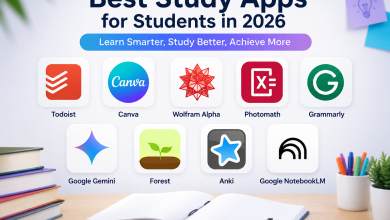
Achieving success as a college student requires more than just attending classes and completing assignments. It’s about maximizing your productivity to accomplish more in less time.
High productivity is the outcome of a blend of factors, including motivation, personality, and effective time management. By implementing the right strategies, students can overcome common productivity barriers and achieve their academic goals.
By understanding your personal productivity patterns and leveraging them to create a sustainable system, you can reduce academic anxiety and create a healthier balance between your studies and personal life.
Key Takeaways
- Essential productivity strategies for maximizing academic performance.
- The impact of productivity on grades, stress levels, and overall college experience.
- Practical techniques to address common productivity barriers.
- Identifying personal productivity patterns to create a sustainable system.
- Implementing productivity hacks to achieve a healthier balance between studies and personal life.
Understanding Productivity and Why It Matters for Students
The concept of productivity is often misunderstood as merely being busy, but it encompasses much more, especially for students. Productivity is about achieving goals and completing tasks efficiently.
What Is Productivity?
Productivity, in the context of academic life, refers to the ability to manage time and resources effectively to achieve academic goals. It’s not just about being busy or completing assignments; it’s about doing the right tasks at the right time to maximize learning and outcomes. As “You don’t have to be great to start, but you have to start to be great.” This quote emphasizes the importance of taking action towards your goals.
Common Productivity Barriers for Students
Several factors can hinder a student’s productivity. Multitasking, for instance, can reduce productivity because the brain needs time to switch between tasks. Technology, while useful, can also be a significant source of distraction. Other barriers include lack of focus, poor time management, perfectionism, and stress. Understanding these challenges is crucial for developing strategies to overcome them.

By recognizing these barriers, students can take the first step towards improving their productivity. It’s about identifying the factors that affect their focus and learning how to manage them effectively.
Essential Productivity Tips for Students
To succeed academically, students need to master the art of productivity. Effective productivity strategies enable students to manage their time efficiently, prioritize tasks, and meet deadlines. By implementing the right techniques, students can achieve their academic goals while maintaining a healthy work-life balance.

Creating Effective To-Do Lists
Creating a to-do list is a powerful productivity hack for students. By listing down all the tasks, students can prioritize them based on importance and urgency. This helps in focusing on one task at a time, reducing the feeling of being overwhelmed. A well-structured to-do list enables students to break down larger projects into manageable tasks, making it easier to stay on track.
Setting (and Sticking to) Deadlines
Setting realistic deadlines is crucial for completing tasks on time. By setting specific deadlines, students can create a schedule that works for them. It’s also important to stick to these deadlines to avoid procrastination and stay focused. Using a calendar or planner can help in keeping track of deadlines and ensuring that all tasks are completed within the allotted time.
Time Management Techniques That Actually Work
Mastering time management techniques can make a substantial difference in a student’s ability to achieve academic success. By implementing the right strategies, students can optimize their study schedules, reduce stress, and improve their overall productivity.
The Pomodoro Technique
The Pomodoro Technique is a time management method that involves breaking work into 25-minute intervals, called “Pomodoros,” separated by five-minute breaks. This technique helps build a sense of urgency and focus, enabling students to complete tasks more efficiently. By using simple timers or specialized apps, students can easily implement this technique into their study routine.

The Eisenhower Matrix for Prioritization
The Eisenhower Matrix is a decision-making tool that helps students prioritize tasks based on their urgency and importance. Developed by Dwight D. Eisenhower, this matrix categorizes tasks into four quadrants: urgent and important, important but not urgent, urgent but not important, and not urgent or important. By focusing on tasks that are both urgent and important, students can effectively manage their workload and reduce stress.
| Task Category | Urgency | Importance | Action |
|---|---|---|---|
| Do First | High | High | Immediate Action |
| Schedule | Low | High | Plan for Later |
| Delegate | High | Low | Delegate if Possible |
| Eliminate | Low | Low | Consider Dropping |
By applying these time management techniques, students can enhance their productivity, reduce procrastination, and achieve a better balance between academic responsibilities and other aspects of their lives.
Optimizing Your Study Environment
Creating an optimal study environment is essential for maximizing focus and retention. Your study environment can significantly influence your productivity and the quality of your study sessions.
Creating a Dedicated Study Space
Having a dedicated study space can improve concentration and boost productivity levels. This doesn’t have to be an elaborate setup; even a simple, organized area can be effective. Ensure that your study space is equipped with everything you need to minimize distractions.
The Benefits of Switching Locations
Occasionally changing your study location can introduce novelty and reduce the risk of monotony. Moving from a dorm room to a library, coffee shop, or outdoor space can rejuvenate your focus and creativity. This shift in scenery can make it easier to concentrate on your coursework.
Managing Environmental Distractions
To optimize your study environment, it’s crucial to manage common distractions. Strategies include using noise-cancelling headphones, finding a quiet spot, or implementing a “do not disturb” policy during study sessions. Proper environment management can significantly enhance your ability to stay focused.

Finding Your Productivity Sweet Spot
Understanding your personal productivity rhythms can significantly impact your academic performance. To maximize your productivity, it’s crucial to identify when you’re most focused and energized throughout the day.
Identifying Your Most Productive Hours
To pinpoint your most productive hours, observe your daily routines, energy fluctuations, and focus levels. Research suggests that extroverts tend to have a later peak productivity time than introverts. By tracking your energy levels and focus, you can determine your optimal windows for deep work versus lighter administrative tasks.

Knowing Your Limits to Prevent Burnout
Establishing boundaries is vital to sustaining high productivity levels and avoiding burnout. Juggling too many tasks can lead to mistakes, subpar work, and exhaustion. As a student, it’s essential to manage your time effectively and prioritize tasks during your most productive periods.
| Productivity Tips | Benefits |
|---|---|
| Track your energy levels | Identify optimal work periods |
| Set boundaries | Avoid overcommitting and burnout |
| Prioritize tasks | Maximize productivity during peak hours |
By understanding your productivity rhythms and managing your time effectively, you can achieve more in less time and maintain a healthy work-life balance.
The Power of Breaks and Rest
The key to sustained academic performance lies in balancing study sessions with adequate rest. Taking regular breaks is essential for maintaining focus and productivity during study sessions.
Strategic Break Techniques
Implementing strategic break techniques can significantly enhance study productivity. Breaks can range from a short five-minute walk to a longer nap or leisure activity, helping to refresh the brain and boost energy levels. By incorporating purposeful breaks, students can improve their focus and overall productivity.
The Importance of Sleep for Academic Performance
Sleep plays a critical role in academic performance, with the National Sleep Foundation recommending seven to nine hours of sleep per night for young adults. Poor sleep quality, experienced by more than 65% of college students, can negatively impact cognitive function and memory consolidation. Prioritizing sleep is essential for optimal academic performance.
Balancing Work and Relaxation
Finding a balance between intense study periods and necessary relaxation is vital for maintaining long-term productivity without burnout. By scheduling regular breaks and ensuring adequate sleep, students can create a sustainable study routine that supports their overall well-being and academic success.

Digital Tools and Apps to Boost Student Productivity
With the right digital tools, students can significantly improve their productivity and achieve better academic results. In today’s digital landscape, a variety of apps are available to help students manage their time, stay organized, and maintain focus.

Calendar and Planning Apps
Calendar and planning apps are essential for keeping track of schedule and deadlines. Apps like Any Calendar App help students synchronize their academic commitments, personal events, and work schedule in one place. By utilizing these apps, students can set reminders, notifications, and alerts to stay on top of their tasks.
Focus and Distraction-Blocking Tools
Staying focused is crucial for productivity. Tools like Pomodoro timers help students work in concentrated intervals, followed by scheduled breaks, enhancing their ability to stay on task. These apps can be particularly useful in minimizing distractions and maximizing study time.
Study and Learning Enhancement Apps
There are numerous apps designed to enhance learning and retention of information. Quizlet, for example, offers a range of study tools and games to help students engage with their course material more effectively. By leveraging these apps, students can improve their understanding and retention of complex subjects.
By incorporating these digital tools into their daily routine, students can significantly enhance their productivity. Whether it’s through better time management, improved focus, or more effective learning strategies, the right apps can make a substantial difference in a student’s academic journey.
Minimizing Distractions in a Digital World
With the constant influx of digital notifications and social media updates, staying on track can be a significant challenge for students. The digital age has introduced a myriad of distractions, including browsing the internet, checking email, participating in social media, playing games, and streaming music and movies, all of which can blur the lines between studying and leisure activities.
Managing Notifications and Social Media
To maintain focus, it’s crucial to manage notifications effectively. Turning off non-essential notifications on your phone and computer can significantly reduce distractions. Limiting social media use to designated breaks can also help in maintaining productivity.
Creating Digital Boundaries
Establishing digital boundaries is vital for productivity. This can involve setting specific times to check emails or using website blockers to limit access to distracting websites during study sessions.
The Myth of Multitasking
Multitasking is often considered a valuable skill, but research suggests it’s largely a myth. According to Grade Power Learning, attempting to multitask can reduce productivity by up to 40%. Focusing on a single task at a time can lead to better outcomes.

Collaborative Productivity Strategies
Studying with others can be a highly effective way to boost productivity and understanding. By working together, students can share knowledge, discuss challenging topics, and stay motivated.

Benefits of Study Groups
Joining or forming a study group can help students avoid feelings of isolation, especially in remote learning environments. The benefits include gaining deeper insights into topics, improving grades, and developing teamwork skills. Study groups also promote mutual accountability, helping to combat procrastination.
Finding the Right Study Partners
To maximize the effectiveness of a study group, it’s crucial to find partners with similar learning styles, academic goals, and work ethics. This compatibility can foster a productive and supportive environment.
When to Study Alone vs. With Others
While study groups offer numerous benefits, there are times when studying alone is more efficient. Tasks that require intense focus or personal reflection are often better suited for solo study. By understanding when to collaborate and when to work independently, students can optimize their learning and productivity.
Building Productive Habits for Long-Term Success
Building productive habits is essential for students to excel in their studies and beyond. By incorporating effective strategies into their daily routine, students can achieve long-term academic success.
The Two-Minute Rule for Small Tasks
The Two-Minute Rule, developed by productivity consultant David Allen, suggests that if a task takes less than two minutes, it should be done immediately. This simple rule can help students avoid procrastination and get rid of small tasks quickly. For instance, instead of putting off a small task like responding to an email, do it right away.
Tackling Hard Tasks First
Once small tasks are out of the way, students should tackle the hardest tasks first when their mental energy is highest. Procrastinating on difficult tasks can lead to unnecessary stress in college life. By completing challenging tasks early, students can feel more accomplished and focused.
The Importance of Class Attendance
Regular class attendance is crucial for academic success. Skipping classes can lead to falling behind in coursework and negatively impact overall performance. Unless there’s a valid reason, such as illness, students should make it a habit to attend all their classes. Consistent attendance helps students stay engaged and retain information better.

By implementing these strategies, students can develop productive habits that will serve them well throughout their college careers and beyond.
Conclusion: Implementing Your Personalized Productivity System
Creating a tailored approach to productivity can significantly enhance your academic performance and overall wellbeing. As a student, it’s essential to evaluate which productivity strategies work best for your specific learning style and goals. Implement changes gradually, rather than attempting a complete overhaul at once. Regularly assess and adjust your productivity system as your courses and priorities evolve. This sustainable approach to study and life supports your wellbeing and long-term success, helping you achieve your objectives as a college student.
FAQ
How can I create an effective to-do list as a student?
To create an effective to-do list, prioritize tasks based on their urgency and importance, break down large tasks into smaller ones, and set realistic deadlines. Use a planner, app, or digital tool like Trello or Todoist to stay organized.
What is the best way to manage my time as a college student?
Effective time management involves using techniques like the Pomodoro Technique, where you work in focused 25-minute increments, followed by a 5-minute break. Use a calendar or planner to schedule tasks and allocate specific times for studying, attending classes, and participating in extracurricular activities.
How can I minimize distractions while studying?
To minimize distractions, create a dedicated study space that is quiet, comfortable, and free from interruptions. Use tools like Freedom or SelfControl to block distracting websites or apps on your devices. Consider implementing a “no phone zone” or using an app like Forest to stay focused.
What are the benefits of joining a study group?
Study groups offer numerous benefits, including the opportunity to collaborate with peers, share knowledge, and gain new insights. They can also help you stay motivated, accountable, and engaged in your studies. Look for study groups on campus or online, or form your own with classmates.
How can I avoid burnout as a student?
To avoid burnout, prioritize self-care, take regular breaks, and maintain a healthy work-life balance. Make time for activities you enjoy, exercise regularly, and get enough sleep. Be mindful of your limits, and don’t overcommit yourself by taking on too many tasks or responsibilities.
What are some effective digital tools for boosting student productivity?
Some effective digital tools for boosting student productivity include calendar and planning apps like Google Calendar or Apple Calendar, focus-enhancing tools like Focus@Will or Noisli, and study apps like Quizlet or Khan Academy. Experiment with different tools to find what works best for you.
How can I make the most of my study sessions?
To make the most of your study sessions, identify your most productive hours, and schedule your study time accordingly. Use active learning techniques like summarizing notes, creating concept maps, or making flashcards to engage with the material.
What is the importance of sleep for academic performance?
Sleep plays a crucial role in academic performance, as it helps consolidate information, improve memory, and enhance cognitive function. Aim for 7-9 hours of sleep each night to help your brain function at its best.