Effective Time Management for Students: Strategies for Success


Managing time effectively is crucial for students to achieve academic success, reduce stress, and maintain a healthy work-life balance. In today’s fast-paced academic environment, developing effective time management skills is more important than ever.
By implementing practical strategies, students can create structured schedules, prioritize tasks, and allocate sufficient time for studying and personal activities. This comprehensive guide will explore proven techniques to help students assess their current habits, create productive study environments, and prevent burnout.
Key Takeaways
- Understand the importance of effective time management for academic success.
- Learn strategies to create structured schedules and prioritize tasks.
- Discover techniques to maintain a healthy work-life balance.
- Explore methods to assess and improve current time management habits.
- Find out how to create a productive study environment.
Understanding Time Management for Students
Understanding time management is essential for students to maximize their productivity and achieve their goals. It involves planning and controlling how to allocate time among various activities, including academic responsibilities, extracurricular activities, and personal life.
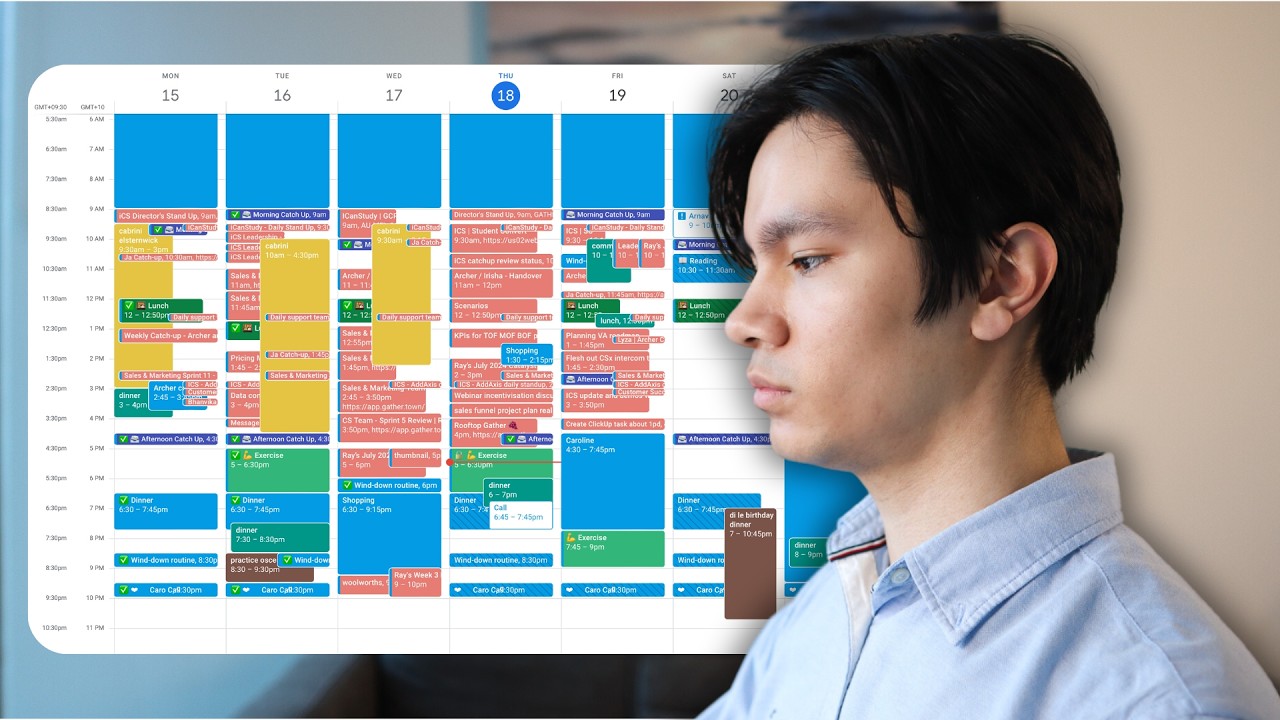
What Is Time Management?
Time management refers to the ability to plan and control how you spend your day to effectively accomplish your goals. It involves dividing time among different domains of your life, such as work, family, and social life. By setting clear priorities, you can separate non-essential tasks from activities that really matter.
- Controlling how you allocate your hours to accomplish specific goals and priorities.
- Balancing coursework, extracurricular activities, and social commitments.
Why Time Management Is Critical for Academic Success
Effective time management is directly linked to academic success. By managing time effectively, students can complete assignments thoroughly, prepare adequately for exams, and participate meaningfully in class discussions. Research shows that students with strong time management skills typically achieve higher grades and report lower stress levels.
As stated by many academic advisors, “Time management is considered the single most important skill for student success.” By adopting effective strategies, students can enjoy a more balanced college experience.
Assessing Your Current Time Management Habits
Assessing your current time management habits is essential for identifying areas of improvement. To effectively manage your time, you need to understand how you currently allocate it across various tasks and activities. This involves taking a close look at your daily routines and habits.

Identifying Time Wasters and Distractions
Common distractions for students include excessive social media use, unstructured internet browsing, and unplanned socializing. Digital distractions are particularly challenging, with studies showing that the average student checks their phone 50-80 times per day. To minimize these distractions, it’s helpful to track your activities for a week using a time log, revealing surprising insights into where your time actually goes.
By identifying these time-wasting patterns, you can develop strategies to mitigate them, such as putting your phone away during study sessions or closing unnecessary browser windows.
Recognizing Your Productive Hours
Understanding your natural energy cycles is crucial for effective time management. Some students are most alert in the morning, while others peak in the afternoon or evening. By identifying your most productive hours, you can schedule challenging tasks during peak mental performance times, thereby enhancing your overall productivity and work efficiency.
This self-awareness allows you to optimize your daily schedule, ensuring that you’re making the most of your time.
Essential Time Management Strategies for Students
Mastering time management is essential for students to reach their full academic potential. Effective time management enables students to balance their academic responsibilities with personal activities, leading to reduced stress and improved overall well-being.
Creating an Effective Weekly Schedule
Creating an effective weekly schedule forms the foundation of student time management. This involves incorporating both fixed commitments, such as classes and work, and flexible study blocks. Successful schedules also account for transition times between activities and include buffer periods for unexpected situations or tasks that take longer than anticipated. By doing so, students can maintain a consistent routine and make adjustments as needed.
Breaking Down Large Assignments into Manageable Tasks
Breaking down large assignments into smaller, manageable tasks makes intimidating projects less overwhelming. This approach creates clear action steps with their own deadlines, allowing students to stay on track and make steady progress. By dividing tasks into smaller chunks, students can avoid last-minute cramming and produce higher-quality work.

Setting SMART Academic Goals
Setting SMART (Specific, Measurable, Achievable, Relevant, Time-bound) goals provides a framework for setting academic objectives that are clear and attainable. By setting SMART goals, students can focus their efforts on achieving specific outcomes, track their progress, and make adjustments as needed. This approach helps students stay motivated and directed, ensuring they make the most of their time.
Using the 5 Ps of Time Management
The 5 Ps of Time Management offer a comprehensive approach to managing time effectively. These principles include: Plan ahead by mapping out your semester, Prioritize tasks based on importance and deadlines, use Productivity tools to stay organized, avoid Procrastination through consistent work habits, and make time for Personal activities to maintain balance. By following these principles, students can develop a robust time management strategy that supports their academic success.
Effective time management is crucial for achieving academic success. By implementing these strategies, students can improve their productivity, reduce stress, and maintain a healthy balance between academic and personal responsibilities.
Building a Productive Study Environment
To achieve academic success, students need to establish a productive study environment that fosters focus and minimizes distractions. A well-organized study space is essential for effective time management.
Designing Your Dedicated Study Space
Your physical environment significantly impacts your ability to concentrate and retain information. The ideal study space should be consistently available, comfortable but not too relaxing, well-lit, quiet or with controlled sound, and free from high-traffic distractions. Consider factors like temperature, lighting, ergonomics, and noise levels when designing your study environment.

Managing Digital Distractions and Social Media
Digital distractions represent one of the biggest challenges to student focus. Effective strategies for managing digital distractions include using website blockers during study sessions, implementing the “airplane mode” technique, utilizing focus apps, and establishing tech-free time blocks. Social media management is particularly important, with techniques such as scheduled check-in times and notification silencing.
Organizing Study Materials and Resources
Organizing study materials both physically and digitally saves significant time. Color-coded systems, digital file hierarchies, and cloud storage solutions help students quickly access needed information. By keeping your study materials organized, you can reduce stress and stay focused on your academic goals.
| Study Environment Factor | Ideal Condition | Benefit |
|---|---|---|
| Lighting | Well-lit | Reduces eye strain |
| Noise Level | Quiet or controlled sound | Improves concentration |
| Comfort | Comfortable but not too relaxing | Promotes focus |
Maintaining Balance and Preventing Burnout
As students navigate their academic journeys, maintaining a healthy work-life balance becomes crucial for preventing burnout. It’s not just about managing time effectively; it’s about ensuring that there’s enough energy and motivation to handle the challenges that come with academic responsibilities.
Incorporating Breaks and Rewards
Incorporating strategic breaks into study sessions can significantly enhance productivity. Techniques like the Pomodoro Method, which involves 25 minutes of focused work followed by a 5-minute break, can help maintain cognitive performance and prevent mental fatigue. Reward systems also play a crucial role in providing positive reinforcement for completing tasks and meeting goals, thereby creating motivation loops that make time management more sustainable.

Communicating Needs with Family, Friends, and Employers
Clear communication with family, friends, roommates, and employers about academic commitments is vital. It helps establish boundaries and secure the support needed for success. Many students struggle with setting these boundaries, especially when balancing family responsibilities, work commitments, and school. Learning to say “no” to non-essential activities is a crucial skill that can help maintain this balance.
Practicing Self-Care and Setting Boundaries
Self-care practices such as regular exercise, adequate sleep, proper nutrition, and mindfulness activities are not luxuries but necessities for cognitive function and emotional regulation. By prioritizing self-care, students can better manage stress and maintain the overall well-being necessary for academic success.
| Self-Care Activity | Benefits |
|---|---|
| Regular Exercise | Improves cognitive function, reduces stress |
| Adequate Sleep | Enhances memory, regulates emotions |
| Proper Nutrition | Supports energy levels, overall health |
| Mindfulness Activities | Reduces anxiety, improves focus |
Conclusion: Implementing Your Time Management Plan
By adopting effective time management strategies, students can optimize their productivity and achieve their academic goals. To implement a successful time management plan, it’s essential to start with small, manageable changes and gradually build upon them.
Regular review and adjustment of your time management system are crucial to ensure it remains effective. This involves scheduling weekly planning sessions to evaluate what’s working and what needs modification. By doing so, students can develop a time management system that supports their unique needs and academic commitments.
The skills developed through effective time management will benefit students not only during their academic years but also in their future careers. By mastering time management, students can create a balanced life, achieving academic excellence while maintaining their overall well-being.
FAQ
How can I effectively prioritize my tasks as a student?
To prioritize tasks, identify the most critical assignments and break them down into manageable chunks. Use the Eisenhower Matrix to categorize tasks into urgent vs. important, and focus on the most critical ones first.
What are some strategies for managing digital distractions while studying?
To minimize digital distractions, consider using website blockers like Freedom or SelfControl, turn off notifications on your phone, and log out of social media accounts. Create a conducive study environment by choosing a quiet, clutter-free space.
How can I balance academic responsibilities with other aspects of my life?
Achieving balance requires setting clear boundaries, communicating your needs to family and friends, and scheduling time for self-care and relaxation. Use a calendar or planner to stay organized and ensure you’re allocating sufficient time for all commitments.
What are the benefits of using a calendar or planner for time management?
Using a calendar or planner helps you stay organized, keep track of deadlines, and schedule appointments and study sessions. It also enables you to visualize your commitments and make informed decisions about how to allocate your time.
How can I stay motivated and avoid burnout while working on long-term assignments?
To stay motivated, break down large assignments into smaller tasks, set realistic milestones, and reward yourself upon completion. Regularly taking breaks and practicing self-care can also help prevent burnout.
Are there any apps or tools that can help me manage my study schedule and stay on track?
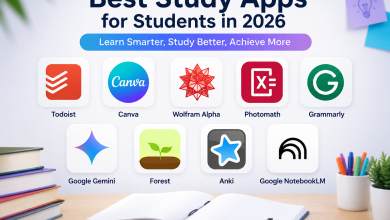
Yes, several apps and tools can help you manage your study schedule, such as Trello, Todoist, and RescueTime. These tools enable you to create to-do lists, track your productivity, and stay focused on your goals.
How can I effectively communicate my needs to family, friends, and employers while balancing academic responsibilities?
To effectively communicate your needs, be clear and specific about your commitments, set realistic expectations, and establish boundaries. Use “I” statements to express your needs and avoid conflicts.





Thank you for your sharing. I am worried that I lack creative ideas. It is your article that makes me full of hope. Thank you. But, I have a question, can you help me?