

Creating a greener home starts with effective eco-friendly waste solutions. As individuals become more environmentally conscious, adopting green living ideas has become a priority. Proper waste disposal is not only a civic duty but also a crucial step towards reducing our ecological footprint.
By implementing simple changes in our daily routines, we can significantly reduce the amount of waste generated at home. This article will explore practical waste management ideas to help you achieve a more sustainable lifestyle.
Key Takeaways
- Simple changes can significantly reduce household waste.
- Eco-friendly waste solutions are crucial for a greener home.
- Effective waste management is key to a sustainable lifestyle.
- Adopting green living ideas can reduce our ecological footprint.
- Practical waste management ideas can be implemented in daily routines.
Understanding Household Waste and Its Environmental Impact
Understanding the types and impacts of household waste is crucial for developing effective waste management practices. Household waste includes a wide range of materials, from food scraps and packaging to paper, plastics, and textiles.
Common Types of Household Waste in American Homes
American households generate a significant amount of waste, including:
- Food waste and scraps
- Plastic packaging and disposable items
- Paper and cardboard
- Glass and metal containers
- Textiles and clothing
Conducting a Personal Waste Audit
To effectively manage household waste, it’s essential to understand what you’re throwing away. Conducting a personal waste audit can help identify areas for improvement.
Tracking Your Waste for One Week
Start by tracking your waste for one week. Record everything you throw away, including food waste, packaging, and disposable items. This will give you a clear picture of your waste generation patterns.
Identifying Improvement Opportunities
Once you’ve tracked your waste, analyze the data to identify opportunities for reduction and improvement. Consider the following:
| Waste Category | Current Practices | Potential Improvements |
|---|---|---|
| Food Waste | Throwing away food scraps | Composting or meal planning |
| Plastic Use | Using single-use plastics | Switching to reusable bags and containers |
| Paper Waste | Throwing away junk mail and paper | Opting for digital bills and documents |
By understanding your household waste and implementing effective waste management strategies, you can significantly reduce your environmental footprint.
The Waste Hierarchy: Beyond Reduce, Reuse, Recycle
Beyond the familiar reduce, reuse, recycle mantra lies a more nuanced waste hierarchy that offers a comprehensive framework for managing waste effectively. The waste hierarchy is a step-by-step guide to reducing waste, and it’s more than just a series of actions; it’s a mindset shift towards sustainability.

Refuse: Preventing Waste Before It Enters Your Home
The first step in the waste hierarchy is to refuse unnecessary items. This involves being mindful of consumption patterns and avoiding products with excessive packaging or those that are not essential. By refusing waste, individuals can significantly reduce the amount of waste that enters their homes.
Reduce: Minimizing Consumption Patterns
Reducing consumption is the next step. This can be achieved by buying in bulk, choosing products with minimal packaging, and avoiding single-use items. Eco-friendly waste solutions often involve reducing the amount of waste generated in the first place.
“Reducing waste is not just about recycling; it’s about rethinking our consumption patterns.” –
Reuse: Extending Product Lifecycles
Reusing products is another critical aspect of the waste hierarchy. This can involve repurposing items, using reusable bags and containers, and finding creative ways to extend the life of products. By reusing, we reduce the need for new, resource-intensive products.
Recycle: Understanding What Actually Gets Recycled
Finally, recycling is an essential step, but it’s crucial to understand what actually gets recycled. Not all materials are recyclable, and contamination can significantly reduce the effectiveness of recycling programs. Being aware of local recycling guidelines is key to making a positive impact.
| Waste Management Strategy | Description | Impact |
|---|---|---|
| Refuse | Avoid unnecessary purchases and products with excessive packaging. | Reduces waste generation |
| Reduce | Minimize consumption and choose products with minimal packaging. | Decreases waste volume |
| Reuse | Find alternative uses for items and use reusable products. | Extends product lifecycle |
| Recycle | Participate in curbside recycling and drop-off programs for specific materials. | Conserves resources and reduces landfill waste |
By understanding and applying the waste hierarchy, individuals can make a significant impact on reducing their environmental footprint. It’s about adopting sustainability tips and waste reduction strategies that become part of daily life.
Practical Waste Management Ideas for Everyday Living
Implementing effective waste management strategies in daily life can significantly reduce one’s environmental footprint. By making a few simple changes, individuals can contribute to a more sustainable future.
Creating Designated Recycling Stations
Creating designated recycling stations is a crucial step in effective waste management. By allocating specific areas for recycling, households can ensure that recyclable materials are properly sorted and processed. This can be achieved by using labeled bins for different types of waste, such as paper, plastic, glass, and metal. Making recycling convenient encourages household members to participate actively.
Designating a specific area for recycling also helps in maintaining cleanliness and organization. For instance, a recycling station near the kitchen can make it easier to dispose of food packaging and other recyclables. It’s also beneficial to educate all household members on what can and cannot be recycled to avoid contamination.
Smart Shopping Habits to Minimize Packaging
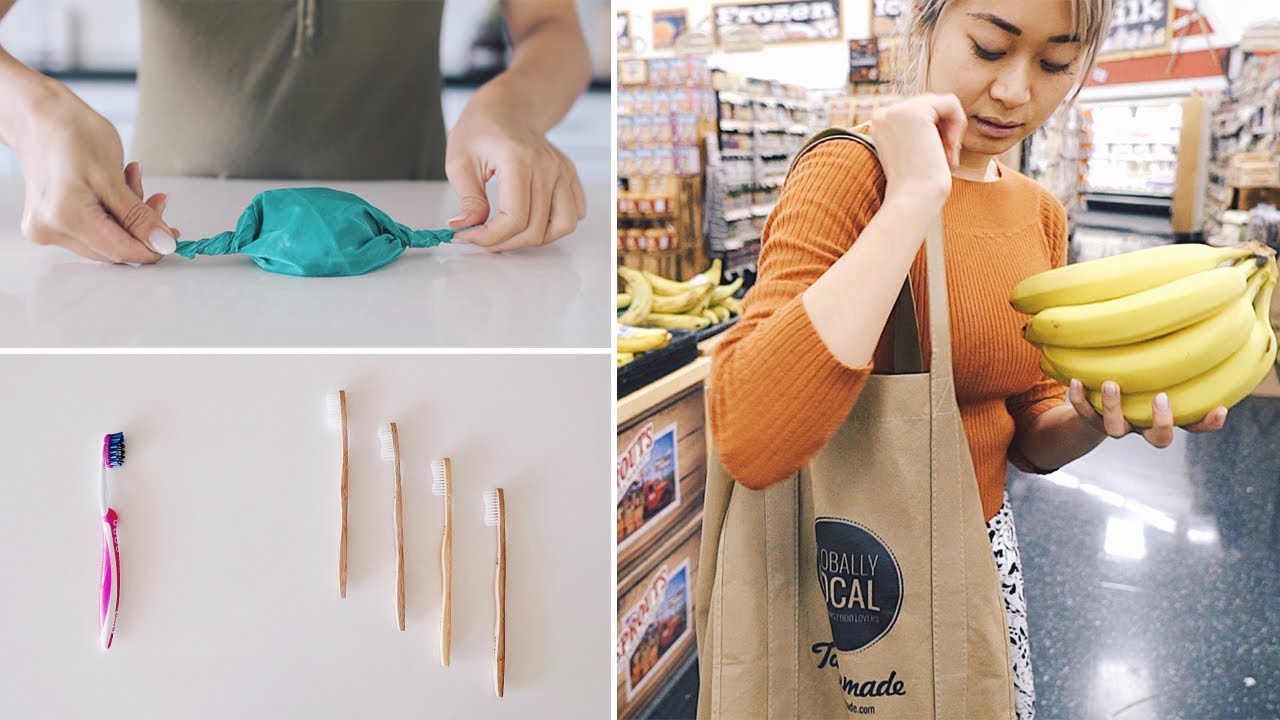
Smart shopping habits play a vital role in minimizing packaging waste. Consumers can make a significant impact by choosing products with minimal or biodegradable packaging. Buying in bulk is another effective strategy, as it reduces the need for individual packaging. Additionally, opting for products sold loose rather than pre-packaged can further minimize waste.
For example, purchasing nuts, grains, and cleaning supplies in bulk not only reduces packaging but can also be cost-effective. Moreover, using reusable bags and containers for shopping can significantly cut down on single-use plastics. Being mindful of packaging when shopping encourages manufacturers to adopt more sustainable practices.

Upcycling Projects for Common Household Items
Upcycling common household items is a creative way to reduce waste. By giving new life to items that would otherwise be discarded, individuals can reduce the demand for new, resource-intensive products.
Repurposing Glass Containers
Glass containers can be repurposed for storage, decoration, or as planters. Cleaning and reusing glass jars from food products can provide versatile storage solutions for kitchens and bathrooms. They can also be used as vases for flowers or as candle holders, adding a touch of elegance to home decor.
Creative Uses for Cardboard and Paper
Cardboard and paper products can be transformed into various useful items. For instance, cardboard boxes can be used for organizing storage spaces or as craft materials for children. Paper can be recycled into handmade paper products or used for origami and other crafts. Being creative with these materials not only reduces waste but also fosters innovation.
By implementing these practical waste management ideas, households can significantly reduce their environmental impact. It’s about making conscious choices and finding creative solutions to everyday waste management challenges.
Kitchen Waste Solutions: From Food Scraps to Packaging
Tackling kitchen waste requires a multi-faceted approach, including meal planning and composting. The kitchen is a significant area where waste can be reduced, and implementing effective strategies can lead to a more sustainable home.
Meal Planning to Reduce Food Waste
Meal planning is a crucial step in reducing food waste. By planning your meals, you can make a grocery list that ensures you buy only what you need, thus reducing the likelihood of expired or unused food items. Effective meal planning involves considering your schedule, dietary preferences, and the ingredients you already have at home. This approach not only reduces waste but also saves time and money.
Composting Basics for Beginners
Composting is a simple and effective way to manage food scraps. It involves breaking down organic materials into a nutrient-rich soil amendment. For beginners, starting with a small compost bin or pile is advisable.
Indoor Composting Methods
Indoor composting can be done using specialized bins or through vermicomposting (composting with worms). These methods are ideal for small kitchens or apartments. Indoor composting bins are designed to minimize odors and are often compact.
What to Compost and What to Avoid
Not all kitchen waste is suitable for composting. Foods like fruits, vegetables, and tea bags are good candidates, while meats, dairy, and oily foods should be avoided as they can attract pests and create unpleasant odors. Understanding what to compost and what to avoid is key to successful composting.
Sustainable Food Storage Alternatives
Using sustainable alternatives for food storage can significantly reduce packaging waste. Reusable containers, beeswax wraps, and cloth bags are excellent substitutes for single-use plastics. These alternatives are not only eco-friendly but also help in maintaining the freshness of food.

Bathroom and Laundry: Reducing Single-Use Products
Adopting sustainable bathroom and laundry habits not only benefits the environment but also your health. Simple changes in these areas can significantly reduce household waste. By making a few mindful adjustments, you can minimize your ecological footprint and contribute to a greener home.

Eco-Friendly Alternatives to Disposable Items
Switching from disposable to reusable products is a straightforward way to reduce waste. In the bathroom, consider using cloth towels instead of paper towels, and opt for safety razors over disposable ones. For laundry, switching to eco-friendly detergents and using reusable dryer sheets can make a significant difference. These small changes can lead to a substantial reduction in waste over time.
Water Conservation Strategies
Conserving water is crucial for environmental conservation. Installing low-flow showerheads and faucets can significantly reduce water usage. Additionally, turning off the tap while brushing your teeth or shaving can save gallons of water daily. Implementing these strategies not only conserves water but also reduces the energy needed to heat it, further decreasing your household’s environmental impact.
Proper Disposal of Personal Care Products
Many personal care products contain chemicals that can harm the environment if not disposed of properly. Look for recycling programs that accept personal care product packaging, and participate in take-back programs for items like batteries and electronics. Proper disposal ensures that hazardous materials do not end up in landfills or waterways, protecting both the environment and public health.
Home Office and Electronics Waste Management
Creating an eco-friendly home office involves more than just recycling paper; it requires a comprehensive approach to waste management. As home offices become increasingly common, the need to manage waste effectively in these spaces grows. This section will explore practical strategies for reducing waste in the home office, focusing on both paper and electronic waste.
Creating a Paperless Home Environment
Transitioning to a paperless home office is a significant step towards reducing waste. This can be achieved by switching to digital documents, using cloud storage services like Google Drive or Dropbox, and opting for electronic billing and statements. Implementing a paperless system not only reduces paper waste but also enhances data security and accessibility.
Responsible E-Waste Disposal Options
Electronic waste, or e-waste, poses a significant environmental challenge. To manage e-waste responsibly, consider donating still-functional electronics or recycling them through certified e-waste recycling programs. Many manufacturers and retailers offer take-back programs or recycling options for electronic devices. Proper disposal of e-waste is crucial to prevent hazardous materials from entering landfills.
Extending the Life of Electronic Devices
Extending the life of electronic devices is another critical aspect of waste management in the home office. Regular maintenance, such as cleaning dust from computers and updating software, can significantly prolong device lifespan. Additionally, considering repurposing or upgrading devices instead of replacing them entirely can reduce e-waste. Choosing durable, high-quality electronics from the outset is also a key strategy.
| Benefits | Paper-Based Office | Paperless Office |
|---|---|---|
| Environmental Impact | High paper consumption | Reduced paper waste |
| Data Security | Physical documents vulnerable to loss or damage | Digital documents with enhanced security measures |
| Accessibility | Limited access to physical documents | Easy access to digital documents from anywhere |

Yard and Garden Waste Management Techniques
Transforming your yard and garden waste into valuable resources is a simple yet impactful step towards sustainability. Effective yard and garden waste management not only reduces the amount of waste sent to landfills but also provides opportunities to create nutrient-rich compost and mulch for your garden.
Composting Yard Waste and Grass Cycling
Composting yard waste is a natural process that breaks down organic materials into a valuable resource for your garden. By composting, you can reduce the need for synthetic fertilizers and improve soil health. Grass cycling, or leaving grass clippings on the lawn, acts as a natural fertilizer and reduces the need for additional lawn care products.
To start composting yard waste, you’ll need a mix of “green” materials (like grass clippings and vegetable scraps) and “brown” materials (such as dried leaves and straw). Ensure the compost pile is well-aerated and maintained at the right moisture level.
Natural Mulching and Water Conservation
Natural mulching is another effective technique for managing yard waste while conserving water. Mulch helps retain soil moisture, suppress weeds, and regulate soil temperature.
Creating Mulch from Yard Trimmings
You can create mulch from yard trimmings by shredding branches and leaves. This organic mulch can be applied around plants and trees, reducing the need for watering and minimizing soil erosion.
Rainwater Collection Systems
Implementing a rainwater collection system is a great way to conserve water. By harvesting rainwater, you can reduce your water bill and provide your garden with a natural source of water during dry periods.

| Waste Management Technique | Benefits | Implementation Tips |
|---|---|---|
| Composting Yard Waste | Reduces landfill waste, creates nutrient-rich soil | Balance green and brown materials, maintain aeration |
| Grass Cycling | Acts as natural fertilizer, reduces lawn care products | Leave clippings on the lawn, maintain regular mowing |
| Natural Mulching | Conserves water, suppresses weeds, regulates soil temperature | Use organic materials, apply around plants and trees |
| Rainwater Collection | Reduces water bill, natural water source for garden | Install collection system, use for irrigation |
By implementing these yard and garden waste management techniques, you can significantly reduce your environmental footprint while creating a more sustainable and thriving garden.
Advanced Waste Management Ideas for Eco-Conscious Homeowners
For homeowners committed to sustainability, adopting advanced waste management strategies is a crucial step towards minimizing environmental impact. As we’ve explored various waste management techniques in previous sections, it’s time to delve into more sophisticated methods that can further reduce waste and promote a greener lifestyle.
Moving Toward Zero Waste Living
Adopting a zero-waste lifestyle is an ambitious yet rewarding goal for eco-conscious homeowners. This involves a comprehensive approach to reducing waste, including avoiding single-use plastics, buying in bulk, and composting organic waste. By making conscious choices in daily life, homeowners can significantly minimize their waste output.
Community Sharing and Circular Economy Participation
Participating in community sharing and the circular economy is another advanced strategy for waste reduction. Homeowners can engage in sharing resources, such as tools and equipment, with neighbors or through local community groups. This not only reduces waste but also fosters a sense of community. Moreover, supporting businesses that adopt circular economy practices can further contribute to sustainability.
Smart Home Technology for Waste Reduction
Leveraging smart home technology can also play a significant role in waste management. Smart bins with sensors can notify homeowners when they need to be emptied, reducing overflow and waste. Additionally, smart home systems can help monitor and manage energy consumption, further contributing to an eco-friendly home environment.
| Strategy | Description | Impact |
|---|---|---|
| Zero Waste Living | Avoiding single-use plastics, buying in bulk, composting | Significant reduction in waste output |
| Community Sharing | Sharing tools, equipment with neighbors or community groups | Reduces waste, fosters community |
| Smart Home Technology | Using smart bins, monitoring energy consumption | Reduces overflow, manages energy efficiently |

Conclusion: Building Sustainable Waste Habits for a Greener Future
Implementing effective waste management ideas is crucial for reducing our environmental footprint and promoting green living ideas. By understanding the impact of household waste and adopting the waste hierarchy, individuals can make a significant difference in environmental conservation.
Simple changes, such as creating designated recycling stations, adopting smart shopping habits, and upcycling common household items, can significantly reduce waste. Additionally, kitchen waste solutions like meal planning, composting, and sustainable food storage alternatives can minimize food waste and packaging.
By incorporating these environmental conservation tips into daily life, individuals can contribute to a more sustainable future. It’s essential to continue exploring ways to reduce waste and promote eco-friendly practices in our communities.
By working together and making conscious choices, we can create a greener future and mitigate the environmental impacts of waste. Effective waste management is a critical step towards achieving this goal, and it’s up to each individual to take action and make a difference.




Your point of view caught my eye and was very interesting. Thanks. I have a question for you.
Your article helped me a lot, is there any more related content? Thanks! https://accounts.binance.info/sk/register-person?ref=WKAGBF7Y