Simple diet plan to stay healthy – How to stay healthy in a busy life?


In today’s fast-paced world, juggling work, family, and social commitments can make it challenging to prioritize healthy eating. However, a well-balanced diet is crucial for maintaining overall well-being and energy levels.
A simple diet plan can be a game-changer for individuals with a busy lifestyle. By making a few mindful changes to daily eating habits, one can significantly improve their health and productivity.
Key Takeaways
- Eating a balanced diet is essential for overall health.
- A simple diet plan can help manage a busy lifestyle.
- Mindful eating habits can improve health and productivity.
- Healthy eating doesn’t have to be complicated or time-consuming.
- Small changes to daily eating habits can make a significant difference.
The Challenge of Healthy Eating in a Fast-Paced World
Healthy eating is often the first casualty in our increasingly busy lives. As we juggle work, family, and social commitments, the convenience of fast food and processed meals can be tempting. However, this shift towards unhealthy eating habits can have significant consequences on our overall wellbeing.
Common Obstacles to Healthy Eating
Busy lifestyles often lead to reliance on convenience foods, which are typically high in calories, added sugars, and unhealthy fats. Time constraints are a significant barrier, making it challenging to prepare healthy meals. Additionally, the lack of nutrition knowledge can hinder our ability to make informed food choices.
The Impact of Poor Nutrition on Energy and Wellbeing
Poor nutrition can lead to a range of health issues, including fatigue, decreased productivity, and a weakened immune system. A diet lacking essential nutrients can also impact mental health, contributing to increased stress and anxiety levels. As noted by a health expert, “
Poor nutrition is a significant risk factor for chronic diseases, including heart disease, diabetes, and certain cancers.
“
Why Traditional Diet Plans Often Fail Busy People
Traditional diet plans often require a level of commitment and flexibility that busy individuals may not have. These plans can be too restrictive, unrealistic, or time-consuming, leading to frustration and abandonment. A more practical approach is needed, one that balances nutritional needs with the demands of a busy lifestyle.
To illustrate, consider the following table comparing traditional diet plans with a more flexible approach:
| Diet Plan | Characteristics | Outcome for Busy Individuals |
|---|---|---|
| Traditional Diet Plans | Restrictive, time-consuming, inflexible | Often leads to frustration and abandonment |
| Flexible Nutrition Approach | Balanced, adaptable, practical | More likely to be sustained long-term |
By understanding these challenges and adopting a more flexible and practical approach to healthy eating, individuals can better navigate the demands of a busy lifestyle while maintaining their nutritional wellbeing.
Understanding Nutrition Basics for Busy Individuals
Nutrition basics are the foundation of a healthy diet, and understanding them is key to making informed food choices. In a world where time is scarce, grasping these basics can seem challenging, but it’s essential for maintaining energy and overall wellbeing.
Essential Nutrients Your Body Needs Daily
Your body requires a variety of nutrients to function properly. These are categorized into macronutrients and micronutrients.
Macronutrients: Finding the Right Balance
Macronutrients include carbohydrates, proteins, and fats. Carbohydrates provide energy, proteins support muscle repair, and fats are crucial for brain function and hormone production. A balanced diet includes a mix of these macronutrients.
Micronutrients: Small but Mighty
Micronutrients, such as vitamins and minerals, are equally important. They support a range of bodily functions, from immune response to nerve function. Ensuring adequate intake of micronutrients is vital for preventing deficiencies.
Caloric Needs Based on Activity Level
Understanding your daily caloric needs is crucial. These needs vary based on your activity level, age, and other factors. Generally, more active individuals require more calories.
| Activity Level | Caloric Needs (Approximate) |
|---|---|
| Sedentary | 1,600-2,000 calories/day |
| Moderately Active | 2,000-2,400 calories/day |
| Very Active | 2,400-3,000 calories/day |
The 80/20 Rule of Balanced Eating
The 80/20 rule suggests that 80% of the time, you should eat nutrient-dense foods, while 20% of the time, you can indulge in less healthy options. This rule helps maintain a balanced diet without feeling overly restrictive.
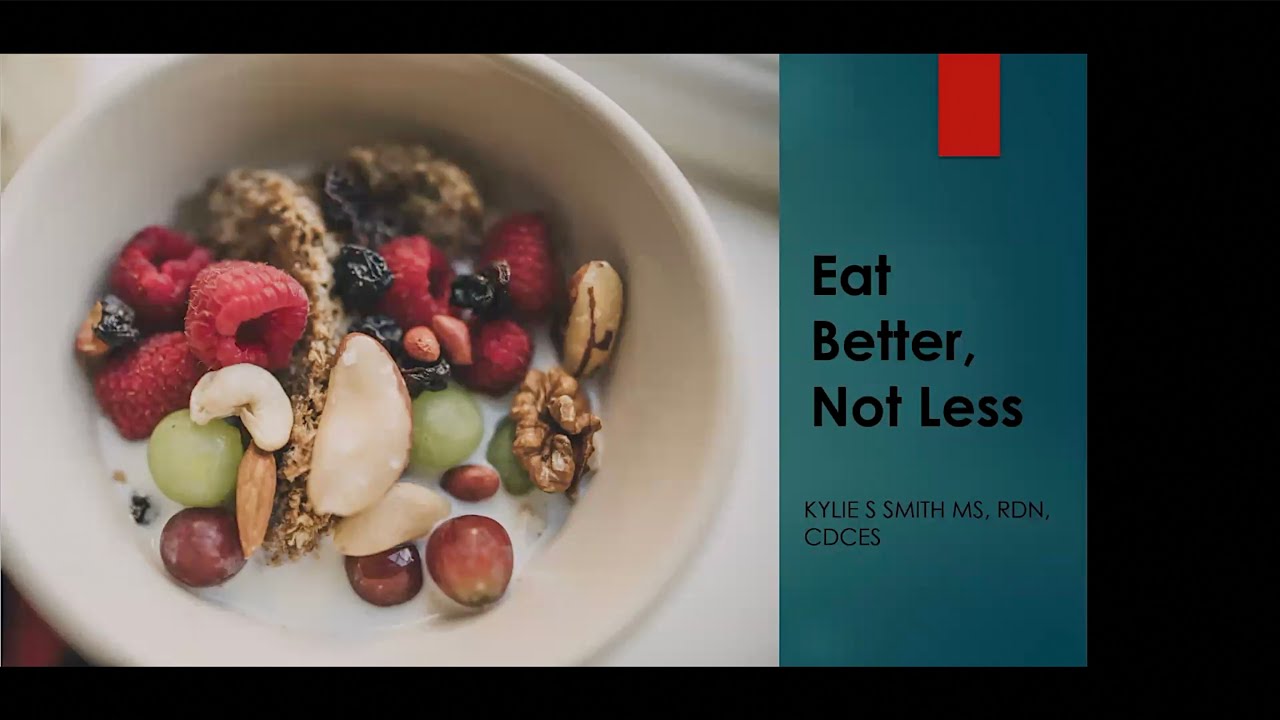
A Simple Diet Plan to Stay Healthy Without Time Constraints
Staying healthy doesn’t have to be complicated, even for the busiest individuals. A well-structured diet plan can be both simple and effective, helping you maintain your health without consuming too much of your precious time.
Weekly Meal Planning Framework
Creating a weekly meal plan is a foundational step in maintaining a healthy diet without feeling overwhelmed. It involves setting aside a short amount of time each week to plan out your meals, make a grocery list, and prep ingredients for the next few days. This framework helps in reducing food waste, saving time during the week, and ensuring that you’re consuming balanced meals.
Quick and Nutritious Breakfast Options
Breakfast is an essential meal that sets the tone for the day. For busy individuals, quick and nutritious breakfast options are crucial.
5-Minute Protein-Packed Breakfasts
Preparing a protein-rich breakfast can be done in minutes. Ideas include Greek yogurt with nuts, scrambled eggs with spinach, or a protein smoothie with banana and almond milk.
Make-Ahead Breakfast Ideas
Overnight oats, breakfast burritos, and muffin tin frittatas are excellent make-ahead breakfast options that save time in the morning while providing a healthy start.
Lunch and Dinner Solutions for Busy Schedules
For lunch and dinner, consider meals that can be cooked in advance or require minimal preparation time. Slow cooker recipes, one-pot dishes, and pre-prepared salads are great options. These meals can be just as nutritious and flavorful as their more time-consuming counterparts.
Healthy Snacking Strategies
Healthy snacking is vital to maintaining energy levels throughout the day. Opt for snacks that are rich in nutrients and low in added sugars, such as fruits, nuts, carrot sticks with hummus, or energy balls made from oats and nuts.
By incorporating these strategies into your daily routine, you can maintain a healthy diet without feeling constrained by time. A simple diet plan is not about deprivation; it’s about making informed choices that support your overall well-being.
Time-Saving Meal Prep Strategies
Efficient meal preparation is key to balancing health and busyness. With the right strategies, individuals can maintain a healthy diet without spending hours in the kitchen.
Batch Cooking Fundamentals
Batch cooking involves preparing large quantities of a single ingredient or meal, which can then be portioned out and stored for future meals. This approach saves time during the week when schedules are tight. To implement batch cooking effectively, start by identifying staple ingredients that can be used across multiple meals, such as rice, grains, and roasted vegetables.
Key benefits of batch cooking include reduced food waste, lower grocery bills, and less time spent on daily meal preparation. For example, cooking a large batch of chicken on the weekend can provide protein for salads, wraps, and dinners throughout the week.
Smart Grocery Shopping Tips
Smart grocery shopping is crucial for efficient meal prep. This involves creating efficient shopping lists and leveraging online grocery shopping benefits.
Creating Efficient Shopping Lists
An efficient shopping list is meal-plan driven, meaning it’s based on the meals you’ve planned for the week. This approach helps avoid buying unnecessary items and reduces impulse purchases. Organizing your list by store sections can also streamline your shopping experience.
Online Grocery Shopping Benefits
Online grocery shopping offers several benefits, including saving time that would be spent traveling to and from the store, and avoiding in-store impulse buys. Many online grocery platforms also allow for easy reordering of previous shopping lists, making it easier to stick to your meal plan.
Kitchen Tools That Speed Up Healthy Cooking
Investing in the right kitchen tools can significantly reduce meal prep time. Essential tools include a slow cooker for hands-off meal preparation, a food processor for quick chopping and pureeing, and a microwave for rapid reheating.
| Tool | Function | Time Saved |
|---|---|---|
| Slow Cooker | Hands-off meal preparation | 2-3 hours per meal |
| Food Processor | Quick chopping and pureeing | 15-30 minutes per task |
| Microwave | Rapid reheating | 1-2 minutes per meal |
By incorporating these time-saving meal prep strategies into daily routines, individuals can enjoy healthy, home-cooked meals without the stress of last-minute cooking.
Nutrition On-The-Go: Eating Well During Commutes and Travel
The challenge of healthy eating doesn’t have to end when you leave home. With a little planning and some smart choices, you can maintain your healthy diet even when you’re on the move.
Portable Meal Ideas
When you’re commuting or traveling, it’s essential to have portable meal ideas that are both nutritious and easy to carry. Consider preparing:
- Nuts and seeds
- Dried fruits
- Energy bars made from wholesome ingredients
- Homemade trail mix with a combination of nuts, seeds, and dried fruits
- Sandwiches or wraps with fillings like turkey, avocado, and veggies
Navigating Restaurant Menus
Eating out doesn’t have to derail your healthy eating goals. When navigating restaurant menus, look for:
- Grilled meats or fish
- Steamed vegetables
- Salads with lean protein
- Whole grain options like brown rice or quinoa
Don’t hesitate to ask for modifications, such as dressing on the side or substituting fries for a salad.
Healthy Airport and Road Trip Food Choices
Airports and roadside eateries often have limited healthy options, but you can still make healthy airport and road trip food choices. Opt for:
| Food Option | Nutritional Benefit |
|---|---|
| Fresh fruit cups | Rich in vitamins and fiber |
| Yogurt parfait | High in protein and calcium |
| Pre-packaged salads | Good source of vegetables and lean protein |
| Nut packs | Rich in healthy fats and protein |
By being mindful of your food choices and planning ahead, you can maintain a healthy diet even when you’re on the go.
Hydration: The Often Overlooked Component of Health
Hydration plays a vital role in our overall wellbeing, and it’s often overlooked in our busy lives. Adequate hydration is essential for maintaining energy levels, supporting bodily functions, and enhancing overall health.
Water Intake Guidelines for Active Lifestyles
For individuals with active lifestyles, the general recommendation is to drink at least eight 8-ounce glasses of water per day, known as the “8×8 rule.” However, individual needs may vary based on factors such as climate, body size, and activity level. A more personalized approach is to drink half an ounce of water per pound of body weight.
Hydration Tracking Methods
To ensure adequate hydration, it’s helpful to track water intake. This can be done using a physical log, a mobile app, or even a smart water bottle. Setting reminders to drink water throughout the day can also be beneficial.
Healthy Alternatives to Sugary Drinks
In addition to water, there are several healthy alternatives to sugary drinks. Infused water recipes can add flavor without added sugars, while better coffee and tea choices can provide a caffeinated boost without the negative health impacts associated with sugary coffee drinks.
Infused Water Recipes
Infused water can be made with a variety of fruits, herbs, and vegetables, such as lemon and mint or cucumber and lime. These additions not only enhance the flavor but also provide additional nutritional benefits.
Better Coffee and Tea Choices
Opting for black coffee or tea without added sugars is a healthier choice. For those who prefer their coffee or tea with a bit of flavor, using a small amount of natural sweetener like stevia or honey can be a better option.
| Drink | Health Benefits |
|---|---|
| Water | Essential for hydration, supports bodily functions |
| Infused Water | Adds flavor and nutrients from fruits and herbs |
| Black Coffee | Provides a caffeinated boost without added sugars |
| Herbal Tea | Offers various health benefits depending on the herbs used |
Mindful Eating Practices for Hectic Lifestyles
Eating mindfully can transform your relationship with food, even on the busiest of days. By incorporating a few simple practices into your daily routine, you can cultivate a healthier and more balanced approach to eating.
The 20-Minute Meal Rule
The 20-minute meal rule suggests that it takes approximately 20 minutes for your brain to register feelings of fullness. Eating slowly and savoring your food can help prevent overeating and promote satisfaction.
Recognizing Hunger vs. Stress Eating
It’s essential to differentiate between hunger and stress eating. Paying attention to your body’s hunger cues and eating when you’re truly hungry, rather than when you’re stressed or bored, can lead to a more mindful eating experience.
Creating Peaceful Eating Environments
Creating a peaceful environment during meals can significantly enhance your eating experience. This can be as simple as turning off the TV, putting away your phone, or eating in a calm, designated area.
Digital Detox During Meals
Implementing a digital detox during meals can help you stay focused on your food and the act of eating. This practice can lead to a more enjoyable and mindful dining experience.
By adopting these mindful eating practices, individuals with hectic lifestyles can develop a healthier relationship with food and improve their overall well-being.
Supplementation: When and What to Consider
As we navigate our busy lives, understanding the role of supplementation can be key to staying healthy. In today’s fast-paced world, individuals often find themselves juggling multiple responsibilities, leaving little time for meal planning and preparation. This is where supplementation can play a crucial role in filling nutritional gaps.
The decision to incorporate supplements into one’s diet should be informed by an understanding of essential supplements that support overall health. Busy individuals, in particular, may benefit from supplements that address common nutritional deficiencies.
Essential Supplements for Busy Lifestyles
For individuals with hectic schedules, certain supplements can be particularly beneficial. These include:
- Multivitamins: To fill potential nutritional gaps in the diet.
- Omega-3 fatty acids: Supporting heart health and cognitive function.
- Probiotics: For maintaining gut health amidst dietary fluctuations.
Natural vs. Synthetic Supplements
The debate between natural and synthetic supplements is ongoing. While some argue that natural supplements are more easily absorbed by the body, others contend that synthetic versions can be just as effective. The choice between the two often depends on individual preferences and health goals.
Consulting Healthcare Professionals
Before starting any supplementation regimen, it is crucial to consult with a healthcare professional. They can provide personalized advice based on individual health needs, potential interactions with medications, and other factors.
In conclusion, supplementation can be a valuable tool for maintaining health in a busy world. By understanding when and what to supplement, individuals can make informed decisions that support their overall wellbeing.
Integrating Exercise with Your Healthy Diet Plan
Exercise integration is key to enhancing the benefits of a healthy diet plan. By combining a balanced diet with regular physical activity, individuals can achieve optimal health and wellbeing.
Quick Workout Options for Busy Schedules
For those with busy lifestyles, finding time to exercise can be challenging. However, incorporating quick workouts into your daily routine can be effective.
10-Minute Morning Routines
Desk Exercises for Office Workers
For office workers, desk exercises can help reduce the negative effects of prolonged sitting. Simple chair squats, leg raises, or desk push-ups can be done discreetly at your workstation.
Nutrition Timing Around Exercise
Nutrition timing plays a crucial role in maximizing the benefits of exercise. Consuming a balanced meal or snack before and after exercise can help optimize performance and recovery.
Movement Throughout the Day
Incorporating movement throughout the day can have significant health benefits. Taking the stairs instead of the elevator, walking to work, or doing a few jumping jacks during commercial breaks can contribute to a more active lifestyle.
| Activity | Duration | Benefits |
|---|---|---|
| Morning Stretching | 10 minutes | Increased flexibility, improved circulation |
| Desk Exercises | 5 minutes | Reduced sitting time, improved posture |
| Walking to Work | 30 minutes | Improved cardiovascular health, increased energy |
Conclusion: Sustaining Healthy Habits in a Busy World
Embracing a healthy lifestyle is a journey, not a destination. As discussed, sustaining healthy habits in a busy world requires a combination of planning, mindfulness, and commitment. By incorporating a simple diet plan, time-saving meal prep strategies, and mindful eating practices, individuals can maintain a healthy lifestyle despite their hectic schedules.
It’s essential to remember that small, consistent changes can lead to significant long-term benefits. By applying the 80/20 rule of balanced eating and staying hydrated, individuals can fuel their bodies for optimal performance. Integrating exercise with a healthy diet plan, even in short bursts, can also enhance overall wellbeing.
By adopting these strategies and maintaining a long-term commitment to health and wellbeing, individuals can achieve a balanced and fulfilling lifestyle. Sustaining healthy habits is a continuous process that requires patience, dedication, and self-care. By prioritizing health, individuals can thrive in today’s fast-paced world.
FAQ
What is a simple diet plan to stay healthy?
A simple diet plan involves focusing on whole foods, meal planning, and healthy snacking strategies, making it achievable even with a busy lifestyle.
How can I maintain healthy eating habits in a fast-paced world?
To maintain healthy eating habits, it’s essential to understand nutrition basics, plan meals, and make smart grocery shopping choices, allowing for a balanced diet despite a busy schedule.
What are the essential nutrients my body needs daily?
Essential nutrients include macronutrients like proteins, carbohydrates, and fats, as well as micronutrients such as vitamins and minerals, which are crucial for maintaining energy and overall wellbeing.
How can I save time on meal preparation?
Time-saving meal prep strategies include batch cooking, creating efficient shopping lists, and utilizing kitchen tools that speed up healthy cooking, making it easier to stick to a healthy diet plan.
What are some healthy eating options when commuting or traveling?
Portable meal ideas, navigating restaurant menus wisely, and choosing healthy airport and road trip food options are key to maintaining healthy eating habits on-the-go.
How important is hydration for overall health?
Hydration is crucial, especially for those with active lifestyles. Following water intake guidelines, tracking hydration, and opting for healthy alternatives to sugary drinks are essential practices.
What are mindful eating practices, and how can they benefit my health?
Mindful eating involves practices like the 20-minute meal rule, recognizing hunger vs. stress eating, creating peaceful eating environments, and digital detox during meals, promoting a healthier relationship with food.
Should I consider supplementation as part of my healthy diet plan?
Supplementation can be beneficial, especially for busy individuals. It’s essential to consider essential supplements, understand the differences between natural and synthetic supplements, and consult healthcare professionals before starting any regimen.
How can I integrate exercise with my healthy diet plan?
Integrating exercise involves incorporating quick workout options like 10-minute morning routines and desk exercises, understanding nutrition timing around exercise, and increasing movement throughout the day.
What are some tips for sustaining healthy habits in a busy world?
Sustaining healthy habits requires commitment, meal planning, and making healthy choices convenient, allowing individuals to maintain a long-term commitment to their health and wellbeing.



Thanks for sharing. I read many of your blog posts, cool, your blog is very good.