
Pop music has changed a lot over the years. Its journey is fascinating.
From the early days of rock and roll to the digital age, pop music has shaped our lives. The genre has adapted and evolved, reflecting societal changes and technological advancements. Each decade brought new sounds, styles, and icons, capturing the spirit of the times.
Understanding the evolution of pop music helps us appreciate its impact on culture and history. Whether it’s the Beatles’ groundbreaking tunes or today’s chart-topping hits, pop music continues to influence and entertain. Join us as we explore the rich history and transformation of this beloved genre.

Origins Of Pop Music
Pop music began in the early 20th century. It took influences from jazz, blues, and rock and roll. These genres shaped the sound and style of early pop music. Simple melodies and catchy hooks were common. Pop music was meant for the masses.
Elvis Presley and The Beatles were key pioneers. They changed pop music forever. Their songs were loved by many. They had a huge impact on the music industry. These artists set the stage for future pop stars.
The 1950s: Birth Of Rock ‘n’ Roll
Rock ‘n’ Roll changed everything. Youth felt free. Dance styles evolved. Teenagers had new heroes. Music brought people together. Different races enjoyed the same songs. It was a cultural shift. Parents worried about the new music. Teens loved it. Society was never the same. The music was loud. The beat was strong. Everyone danced to it.
Elvis Presley was a star. Chuck Berry made great songs. Little Richard had energy. Buddy Holly was loved. They shaped the music world. Their songs are still popular. They were called icons. New artists looked up to them. They set the bar high. Their influence is seen today. They were true legends. Each had a unique style.
The 1960s: The British Invasion
The Beatles changed everything. Their music was fresh and exciting. Fans screamed at their concerts. They loved their songs. The Beatles had many hits. Each song had a new sound. They influenced many other bands. Their style was unique and fun. The world could not get enough of them. The Beatles were everywhere.
While The Beatles were big, American bands also rocked. The Beach Boys had a surf sound. Their harmonies were smooth and catchy. Motown brought soulful music. Artists like The Supremes and Marvin Gaye became famous. Rock and roll legends like Elvis Presley stayed popular. Each artist added their own touch. They made the 1960s a rich musical era.
The 1970s: Disco Fever
Disco Fever of the 1970s brought a new wave to pop music, with catchy beats and dazzling dance floors. This era saw artists like Bee Gees and Donna Summer topping the charts, transforming the music scene.
Rise Of Disco
The 1970s saw the rise of disco music. This genre was all about dance. Clubs played disco tracks non-stop. People loved the beat and rhythm. Disco music made people happy. It brought joy and fun. The dance moves were energetic. The clothes were flashy. Disco became a cultural phenomenon.
Major Hits
Many songs became hits during this time. Bee Gees produced chart-toppers like “Stayin’ Alive.” Donna Summer wowed audiences with “Hot Stuff.” ABBA made waves with “Dancing Queen.” These songs remain popular today. They are iconic and timeless. Disco music has left a lasting impact.
The 1980s: Mtv And Synthpop
MTV started in the 1980s. It changed pop music. Music videos became very popular. Artists like Michael Jackson and Madonna made big hits. Videos were now a must for success. They helped fans see their favorite stars. It was a new way to enjoy music.
The synthesizer became big in the 1980s. It changed how music sounded. Bands used it to make cool, new sounds. Synthpop was born. Depeche Mode and The Human League led the way. The synthesizer was easy to use. It gave artists more freedom. Pop music was never the same.
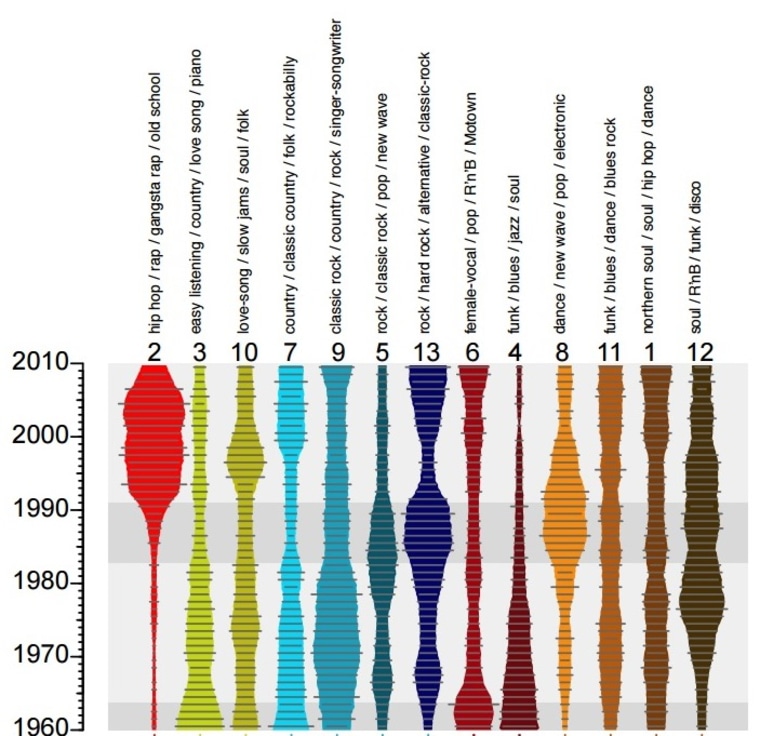
The 1990s: Diversification
In the 1990s, boy bands and girl groups became very popular. Groups like NSYNC and the Spice Girls sold millions of albums. Their songs were catchy. Their dances were fun. Fans loved them. These groups often sang about love and friendship. Many young people related to their music. The 1990s was a great time for pop music.
Alternative pop also grew during the 1990s. Artists like Alanis Morissette and No Doubt became famous. Their songs were different. They mixed rock and pop styles. Many people liked this new sound. It was fresh and exciting. Alternative pop gave listeners more choices. Pop music was not just one thing anymore.
The 2000s: Digital Revolution
The 2000s saw the rise of streaming platforms like iTunes and Spotify. People started to buy songs online. CDs became less popular. Music became more accessible. Streaming made discovering new artists easy. It changed how we listen to music forever.
Globalization made music from different countries popular worldwide. Artists from all over the world gained fame. It was easier to share music globally. This brought new sounds and styles to pop music. Fans enjoyed a mix of cultures in their music.
The 2010s: The Era Of Social Media
Pop music in the 2010s changed a lot. Songs spread fast. Social media made songs famous overnight. Platforms like YouTube and TikTok helped unknown artists. People shared and liked songs. Viral hits became common. One popular song could reach millions in days. Fans became more involved. They shared music. They created dance challenges. Pop culture evolved quickly. Songs from unknown artists often became hits.
Influencers changed the music world. Social media stars promoted songs. They had many followers. Their followers listened to their recommendations. Songs got popular this way. Collaboration between artists and influencers became common. Influencers appeared in music videos. They also created their own music. Music trends spread fast. Influencers played a big role in this. Their influence was strong. The music industry adapted to this new trend.
Current Trends In Pop Music
Pop music now mixes with other genres. You hear pop with rock. Pop with hip-hop. Even pop with jazz. Artists experiment. They blend styles. It creates fresh sounds. Fans love it. They enjoy the variety. It keeps music exciting. It stops it from being boring. Genre blending is popular. It’s a big trend.
Pop music keeps changing. New trends come up. Technology plays a role. Music is made with computers. There are new sounds. New techniques. Virtual concerts are happening. More artists will use them. Fans can watch from home. Global collaborations are rising. Artists from different countries work together. They mix cultures. It creates unique music.

Frequently Asked Questions
How Has Pop Music Evolved Over The Years?
Pop music has evolved from catchy, simple tunes to diverse genres, incorporating electronic beats, rap, and global influences.
What Was The First Pop Song Ever Made?
The first pop song ever made is widely considered to be “My Blue Heaven” by Gene Austin in 1927.
What Are The 8 Origins Of Music?
The 8 origins of music are Africa, Asia, Europe, Middle East, Americas, Oceania, Prehistoric Times, and Ancient Civilizations.
How Did Technology Change Pop Music?
Technology transformed pop music by enabling digital production, auto-tuning, and online distribution. Artists now reach global audiences instantly.
Conclusion
Pop music has truly evolved over the years. Artists have pushed boundaries. Styles have blended. New trends keep emerging. Each era adds its unique flavor. This journey reflects our changing tastes. Pop music continues to inspire and entertain. Its future holds endless possibilities.