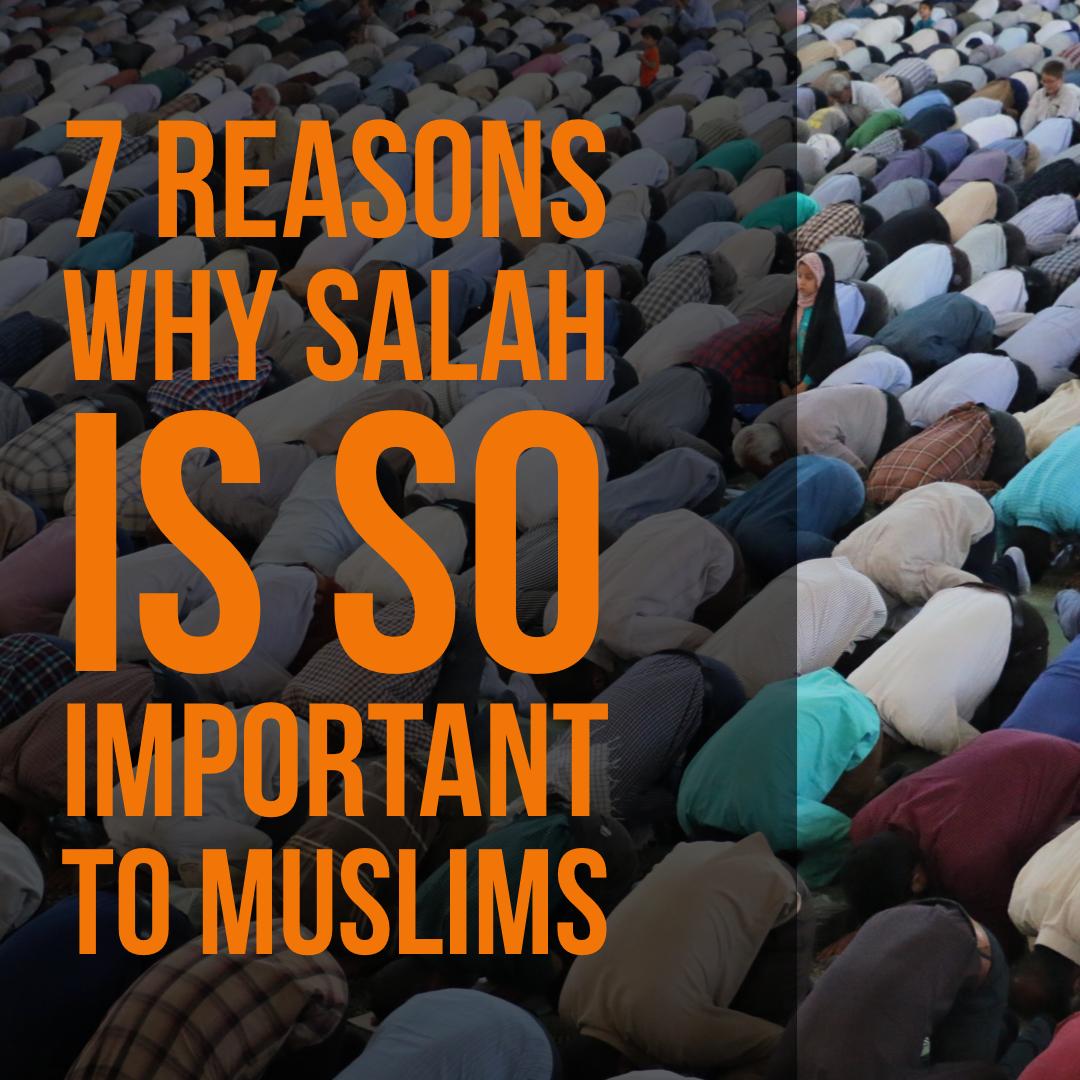
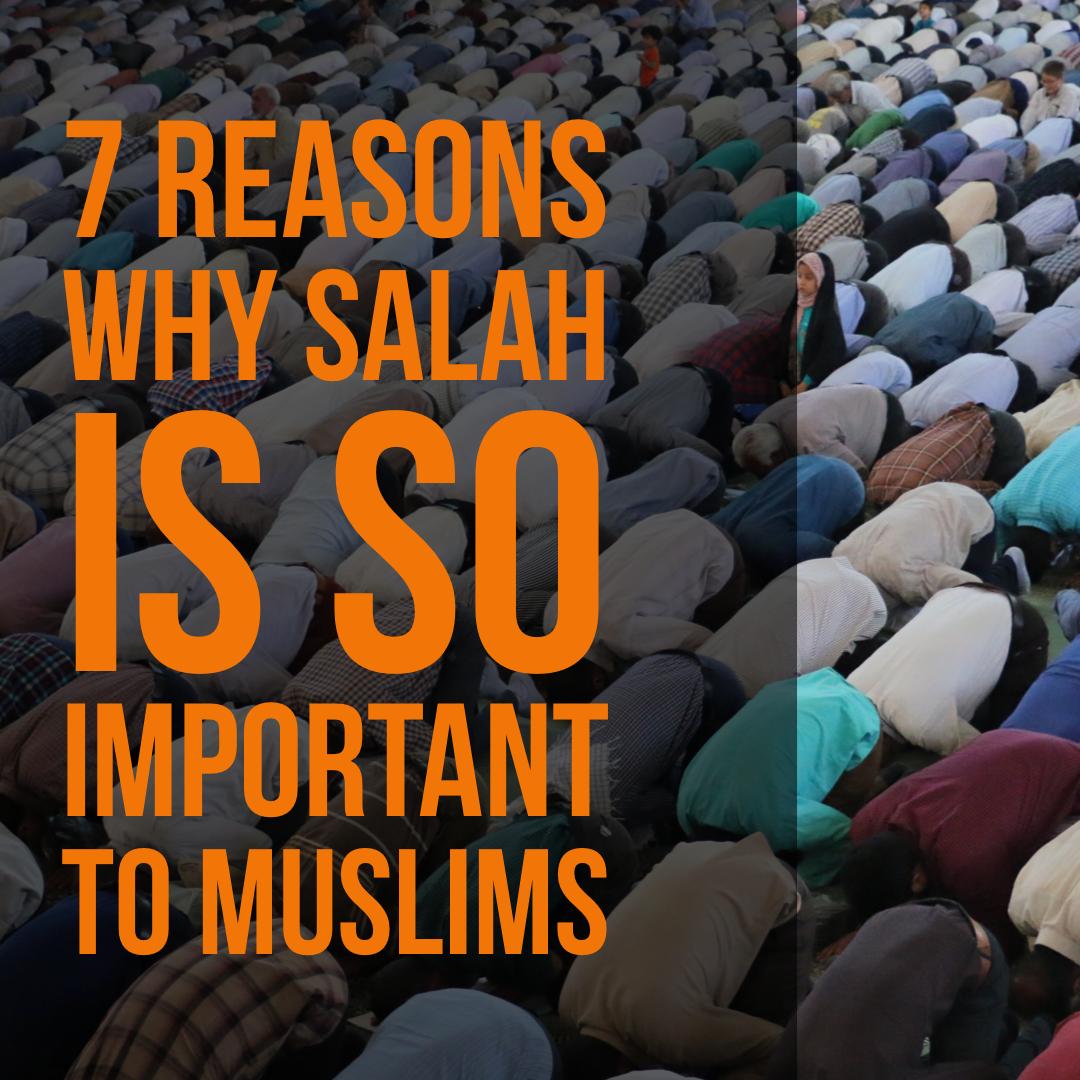
Salah, or prayer, holds a central place in the lives of Muslims. It is not just a ritual; it is a profound act of worship and connection with Allah.
The importance of Salah in Islam goes beyond fulfilling an obligation. It brings spiritual, mental, and physical benefits that enrich daily life. Understanding Salah’s significance helps one grasp its transformative power. Every day, Muslims pray five times, creating a rhythm that anchors their lives.
This practice fosters discipline and mindfulness. It also encourages a sense of community and belonging among believers. Through Salah, individuals seek guidance, express gratitude, and find solace. This blog explores the various benefits of Salah and its profound significance in Islam. Discover how this sacred practice shapes lives and strengthens faith.
Salah’s Central Role In Islam
Salah, or prayer, stanImportance of Salah (Prayer) in Islam – Unveiling Its Profound Benefitsds as a cornerstone of Islamic practice. It serves as a direct line of communication between you and Allah. Engaging in Salah not only fulfills a religious obligation but also enriches your spiritual life.
Salah As The Second Pillar
Salah is the second pillar of Islam, following the declaration of faith, Shahada. This makes it a fundamental aspect of a Muslim’s life. Performing Salah five times a day establishes a routine that keeps your faith alive and strong.
Each prayer is an opportunity to reconnect with Allah. It reminds you of your purpose and priorities. Through Salah, you reaffirm your commitment to your faith daily.
Daily Ritual And Devotion
Think about how life can get hectic. It’s easy to lose sight of what matters. Salah offers a pause—a moment to reflect and recenter yourself amidst the chaos.
When you pray, you dedicate specific times to Allah. This daily ritual fosters discipline and mindfulness. Your devotion during these moments can transform your daily routine into a spiritual journey.
Each prayer includes physical movements and recitations that engage your body and mind. This connection enhances your awareness of Allah’s presence in your life. Have you ever noticed how you feel lighter and more focused after a prayer?
In essence, Salah nurtures your relationship with Allah. It provides comfort, guidance, and clarity as you navigate life’s challenges. The act of praying can become a source of strength for you.

Connecting With The Divine
Connecting with the Divine is a core aspect of Salah, or prayer, in Islam. It allows believers to reach out to Allah, fostering a personal relationship that transcends the physical world. This connection is not just about reciting words; it is about opening your heart and mind to the presence of the Creator.
Direct Communication With Allah
Salah serves as a direct line of communication with Allah. Each prayer is an opportunity for you to express your thoughts, feelings, and desires. You can seek guidance, forgiveness, and strength during these moments of reflection.
Think about the last time you prayed. Did you feel a sense of relief after sharing your worries with Allah? This exchange is powerful and can help you feel more grounded in your daily life.
During Salah, you can whisper your innermost thoughts. This personal dialogue can uplift your spirit and provide clarity in turbulent times. It’s a moment where the chaos of the world fades away, and it’s just you and your Creator.
Strengthening Faith
Engaging in Salah consistently strengthens your faith. Each prayer reinforces your belief, reminding you of the divine guidance that is always available. This ritual cultivates a sense of discipline and commitment in your spiritual journey.
Have you noticed how your worries seem lighter after completing your prayers? This phenomenon occurs because Salah helps to center your thoughts and emotions. It provides a spiritual reset, allowing you to approach challenges with renewed energy.
As you make Salah a part of your daily routine, you will likely find that your faith deepens. You’ll begin to see the world through a different lens—one filled with hope and purpose. This connection with Allah becomes a source of strength, guiding you through life’s ups and downs.
Incorporating these moments of prayer into your life can change the way you perceive your daily experiences. Are you ready to strengthen your connection with the Divine?
Physical And Spiritual Synchronicity
Understanding the importance of Salah (prayer) in Islam goes beyond mere routine; it encapsulates a profound connection between your physical body and spiritual essence. The act of praying serves as a bridge, harmonizing your inner self with your outer actions. This synchronicity fosters an environment for personal growth, well-being, and a deeper connection with Allah.
Movements In Salah And Well-being
The physical movements in Salah—standing, bowing, and prostrating—are not just rituals; they play a significant role in your overall well-being. Each posture engages different muscle groups, promoting flexibility and improving blood circulation. Have you ever noticed how your body feels more energized after performing Salah?
During prayer, your mind shifts focus, allowing stress to melt away. The act of bowing and prostrating has been shown to lower blood pressure and enhance relaxation. You may find that taking a few moments for these movements can rejuvenate your spirit and body alike.
Purification Of The Soul
Salah serves as a powerful tool for the purification of your soul. Each prayer is a chance to reflect on your actions and seek forgiveness. This regular practice encourages you to let go of negativity and cultivate a mindset of gratitude and humility.
Think about how you feel after finishing your prayers. There’s often a sense of relief and clarity, isn’t there? This emotional purification leads to a stronger connection with Allah, allowing you to navigate life’s challenges with greater resilience.
Moreover, Salah acts as a reminder of your purpose and priorities. It encourages you to pause and realign your life with your values. How often do you take time to reflect on what truly matters to you?
Integrating Salah into your daily routine can transform your physical and spiritual health. Embrace this opportunity to enhance your well-being and deepen your faith. You may be surprised at the positive changes that unfold in your life.

Credit: sahlahacademy.net
Social And Communal Harmony
Salah is more than a personal act of worship; it fosters social and communal harmony among Muslims. When you engage in prayer, you become part of a larger community. This connection enhances bonds and creates a sense of belonging.
Unity Among Muslims
Performing Salah together cultivates a strong sense of unity. You stand shoulder to shoulder with fellow Muslims, regardless of background or status. This shared experience breaks down barriers and promotes equality.
Think about how it feels to pray alongside others. The energy in the room is palpable, and you realize that you are part of something much bigger than yourself. This unity reinforces the idea that all believers are equal in the eyes of Allah.
Congregational Prayers’ Impact
Congregational prayers, especially during Jummah (Friday prayer), have a profound impact on community dynamics. They provide an opportunity to connect, share, and support one another. You find solace in knowing that your community is there for you.
- Fosters a sense of belonging
- Encourages support among community members
- Strengthens relationships through shared worship
Have you ever noticed how discussions often arise after prayers? These moments allow you to exchange ideas and support one another. They can lead to collective actions that benefit the community, such as charity drives or social initiatives.
Engaging in Salah not only nurtures your spiritual health but also strengthens community ties. When you actively participate in communal prayers, you contribute to a more harmonious society, where everyone feels valued and included.
Salah’s Psychological Benefits
Salah, or prayer, is more than a physical act in Islam. It offers many psychological benefits. Engaging in Salah can enhance well-being. Muslims perform this daily ritual to connect spiritually and mentally. The act of praying reduces stress and improves focus.
Stress Relief And Mental Health
Stress can weigh heavily on our minds. Salah provides a moment to pause and reflect. The act of praying allows for deep breathing and relaxation. This helps release tension built up throughout the day.
Regular prayer can lead to better mental health. It promotes a sense of peace and calm. Muslims find comfort in their routine of Salah. This spiritual practice can help manage anxiety and improve mood.
Mindfulness And Concentration
Salah encourages mindfulness. Each prayer requires focus on words and movements. This practice pulls attention away from daily distractions. It helps cultivate a clear mind and a strong presence.
Concentration improves with regular Salah. The repetition of prayers fosters a sense of rhythm. This rhythm can aid in developing better focus in other areas of life. Engaging fully in Salah sharpens mental clarity.
Moral And Behavioral Influence
Salah, or prayer, plays a crucial role in shaping a Muslim’s character. It instills discipline and encourages good morals. Regular prayer helps believers develop a strong ethical foundation. This foundation guides their actions and thoughts. The practice of Salah influences behavior positively.
Through prayer, Muslims become more aware of their actions. They seek to align their behavior with Islamic teachings. This creates a sense of accountability. The moral teachings in Salah help believers strive for righteousness.
Promotion Of Good Deeds
Salah encourages Muslims to perform good deeds. It serves as a reminder of the importance of helping others. Regular prayer cultivates a spirit of generosity and kindness. Believers often feel motivated to engage in charitable actions. This desire to do good strengthens community bonds.
Prayer teaches humility. It reminds believers of their responsibilities to others. By fostering a sense of community, Salah helps create a supportive environment. This leads to a culture of positivity and mutual assistance.
Prevention Of Sinful Behavior
Salah acts as a shield against sinful actions. It reminds Muslims of the consequences of their choices. Regular prayer helps maintain spiritual awareness. This awareness discourages negative behaviors and thoughts.
Believers reflect on their actions during Salah. This reflection encourages self-discipline. It helps Muslims avoid temptations and stay on the right path. The routine of prayer keeps them mindful of their faith and values.
Salah And Accountability
Salah, or prayer, plays a vital role in Islam. It connects Muslims to Allah. This connection fosters a sense of accountability. Believers recognize their duties and responsibilities. They prepare for the Day of Judgment. Salah reminds them of their actions and intentions.
Day Of Judgement Significance
The Day of Judgment holds great importance in Islam. Every individual will stand before Allah. They will account for their deeds in this world. Salah serves as a reminder of this reality. It encourages believers to live a righteous life.
On that day, the first question will be about Salah. Did one perform their prayers regularly? This question emphasizes the significance of Salah. It is a measure of one’s faith and devotion. Regular prayer strengthens this connection with Allah.
Expiation Of Minor Sins
Salah also acts as a means of forgiveness. It helps expiate minor sins committed daily. The act of praying purifies the soul. Each prayer serves as a chance for repentance.
Muslims believe that sincere prayer cleanses the heart. It removes the weight of small misdeeds. Engaging in Salah fosters a sense of peace. It allows believers to start anew with a clean slate.
Credit: theislamicreflections.com
The Physical Health Advantages
Salah, or prayer, is vital in Islam. It offers many benefits. Among these benefits are physical health advantages. Performing Salah involves specific movements. These movements can improve overall health. Let’s explore how Salah can enhance physical well-being.
Cardiovascular And Digestive Health
Salah includes various physical movements. These movements promote better blood circulation. Improved circulation benefits heart health. Regular prayer can lower blood pressure. It reduces the risk of heart disease.
The act of bending and prostrating aids digestion. These movements stimulate digestive organs. This stimulation helps in better nutrient absorption. Salah can also relieve constipation. Regular prayer can lead to a healthier digestive system.
Musculoskeletal Benefits
Salah involves stretching and bending. These actions strengthen muscles and joints. Regular practice enhances flexibility. It can reduce stiffness in the body.
Specific postures in Salah can relieve back pain. They help maintain proper posture. A strong spine supports overall health. This strength is crucial for daily activities.
Moreover, Salah encourages mindfulness and focus. This focus can reduce stress. Less stress leads to better overall health. Keeping the body active during prayer is beneficial.
Salah In The Life Of A Muslim
Salah, or prayer, is a cornerstone of a Muslim’s daily routine. It serves as a direct link to Allah, allowing you to communicate, reflect, and seek guidance. Through regular practice, Salah shapes not only your spiritual life but also your character and discipline.
Regular Practice And Discipline
Establishing a routine for Salah cultivates discipline in your life. You find yourself setting aside specific times for prayer, which can help you manage your day better. When I started praying regularly, I noticed a significant improvement in my focus and productivity.
Setting reminders on your phone or using prayer beads can help you stay on track. Each prayer serves as a moment to pause and recalibrate your mind. This regularity fosters a sense of stability and peace in an otherwise chaotic world.
- Improved time management
- Increased self-discipline
- Enhanced focus and productivity
How do you prioritize your time for Salah amidst your busy schedule? Taking those moments can transform your entire day.
Role In Islamic Identity
Salah is not just a ritual; it is a fundamental aspect of your identity as a Muslim. It signifies your submission to Allah and reinforces your commitment to your faith. Each time you pray, you embrace your beliefs and values more deeply.
Many Muslims find that performing Salah in a group amplifies this sense of identity. Whether at home, in a mosque, or even in public spaces, praying alongside others fosters a feeling of belonging. You become part of a larger community that shares the same devotion and purpose.
- Strengthens your connection to your faith
- Fosters a sense of community
- Enhances your spiritual identity
Have you considered how your prayer habits shape your identity? Embracing Salah can solidify your understanding of who you are as a believer.
The Rewards And Punishments
Salah, or prayer, holds great significance in Islam. It connects Muslims to Allah and offers spiritual benefits. Regular prayer brings peace, discipline, and a sense of community, while also providing guidance and forgiveness. Understanding its rewards can strengthen faith and enhance daily life.
The concept of rewards and punishments is central to understanding the significance of Salah (prayer) in Islam. It shapes the believer’s actions and attitudes toward their daily worship. Engaging in Salah not only deepens your relationship with Allah but also offers numerous spiritual benefits and consequences for neglecting this essential practice.
Promises Of Divine Rewards
Performing Salah comes with profound divine rewards. Each prayer acts as a direct link to Allah, offering you a chance to express gratitude and seek guidance. – Spiritual Upliftment: Salah provides a moment of peace and tranquility in your busy life. It acts as a reset button for your soul. – Forgiveness of Sins: Engaging in prayer regularly cleanses your heart. It’s a way to ask for forgiveness and alleviate burdens from your conscience. – Increased Blessings: The more you commit to Salah, the more blessings you attract. Many believers report feeling a sense of fulfillment and happiness in their lives after dedicating time to prayer. Have you ever noticed how a moment of prayer can change your mood? It’s often in these moments that clarity strikes, guiding you to make better decisions.
Consequences Of Neglect
Neglecting Salah can lead to significant spiritual and emotional repercussions. While the act of prayer is a source of comfort, ignoring it can invite feelings of disconnection and unrest. – Spiritual Deterioration: Skipping prayers may weaken your faith. You might find it harder to feel connected to Allah and your spiritual community. – Increased Stress: Without the grounding effect of Salah, daily challenges can become overwhelming. You might feel more anxious and less equipped to handle life’s pressures. – Missed Opportunities for Forgiveness: Each missed prayer is a lost chance to seek forgiveness. Over time, this can build a barrier between you and Allah. Think about the last time you missed a prayer. Did you feel a sense of emptiness or restlessness afterward? Recognizing these feelings can help you understand the importance of maintaining your prayer routine. Making Salah a priority enriches your life in countless ways. The rewards are not just spiritual; they can also manifest as emotional stability and a greater sense of purpose.
The Prophetic Teachings On Salah
Salah, or prayer, holds a special place in Islam. The teachings of the Prophet Muhammad (peace be upon him) emphasize its importance. He guided Muslims on how to perform Salah. Understanding these teachings enriches our practice of prayer. It deepens our connection with Allah.
The Prophet’s guidance is clear and profound. He taught that Salah is not just a ritual. It is a vital part of a Muslim’s life. Regular prayer fosters discipline and spirituality. It helps believers remain focused on their faith.
Hadiths On Prayer Importance
Hadiths are sayings of the Prophet Muhammad. They provide valuable insights into Salah. One famous hadith states, “The first thing a person will be asked about on the Day of Judgment is their prayer.” This shows how significant Salah is in our lives.
Another hadith mentions, “Prayer is the light of the believer.” This highlights the spiritual illumination Salah brings. It guides us through life’s challenges and strengthens our faith.
Prophet’s Guidance On Performing Salah
The Prophet Muhammad (peace be upon him) taught specific ways to perform Salah. He emphasized the importance of cleanliness before prayer. Performing ablution (wudu) is necessary. It symbolizes spiritual purity.
The Prophet also taught the correct posture during Salah. Standing, bowing, and prostrating are all important. Each position shows humility before Allah. Following these steps helps Muslims perform their prayers properly.
Regularity in Salah is crucial. The Prophet urged Muslims to pray five times daily. This practice keeps believers connected to their faith. It fosters a sense of community among Muslims worldwide.
Navigating Modern Challenges
Salah, or prayer, is a vital part of a Muslim’s life. In today’s fast-paced world, staying committed to prayer can be tough. Many distractions and responsibilities arise daily. Balancing these challenges with spiritual needs is essential. Understanding how to maintain our Salah practice helps strengthen faith and peace of mind.
Maintaining Consistency
Consistency is key in practicing Salah. Setting a routine helps integrate prayer into daily life. Choose specific times for each prayer. Use reminders on your phone or calendar. This way, you won’t forget or skip any Salah.
Involve family and friends. Pray together to encourage each other. Sharing this experience can make it more fulfilling. Celebrate small milestones. Acknowledge your commitment to Salah. This reinforces your dedication.
Adapting To Contemporary Life
Modern life often demands much of our time. Adapting Salah to fit your schedule is important. Find quiet spaces to pray, even in busy places. This allows you to connect with Allah, regardless of your environment.
Use technology wisely. Many apps can help track your prayer times. These tools can guide you through your prayers. Remember, flexibility is essential. Adjust your prayer times as needed without losing focus on Allah.
Embrace the significance of Salah in daily life. Its benefits extend beyond the act itself. Prayer brings peace, clarity, and strength. Navigating modern challenges becomes easier with a solid prayer routine.
Frequently Asked Questions
What Is The Importance And Significance Of Salah?
Salah is vital for Muslims as it fosters a direct connection with Allah. It enhances spiritual growth, provides guidance, and promotes community unity. Regular prayer cleanses the soul and offers relief from stress. Ultimately, Salah is essential for fulfilling religious duties and nurturing faith.
What Are The 5 Benefits Of Salah?
Salah offers numerous benefits. It strengthens your connection with Allah, enhances spiritual growth, and fosters community unity. Regular prayer reduces stress and anxiety, while promoting physical health through movement. Engaging in Salah also serves as a means of forgiveness and purification from sins.
What Is The Importance And Significance Of Prayer?
Prayer is vital for spiritual connection and personal reflection. It enhances faith, provides comfort, and fosters community. Regular prayer encourages gratitude and mindfulness, helping individuals navigate life’s challenges. Ultimately, it serves as a pathway to seek guidance, forgiveness, and inner peace.
What Does The Quran Say About The Importance Of Salah?
The Quran emphasizes Salah as a vital act of worship. It connects believers with Allah, enhances spirituality, and fosters discipline. Regular prayer serves to purify the soul, provides guidance, and strengthens faith. It is a means of seeking forgiveness and maintaining a strong community among Muslims.
Conclusion
Salah is vital for every Muslim’s life. It nurtures spiritual growth and strengthens faith. Regular prayer offers peace and mental clarity. It connects believers with Allah and fosters a sense of community. The benefits of Salah extend beyond spirituality; it promotes physical well-being too.
By engaging in this practice, one finds purpose and direction. Embracing Salah enriches everyday life and encourages positive actions. Prioritizing prayer leads to a more fulfilling existence. The importance of Salah cannot be overstated. It is a cornerstone of a Muslim’s faith and life.