
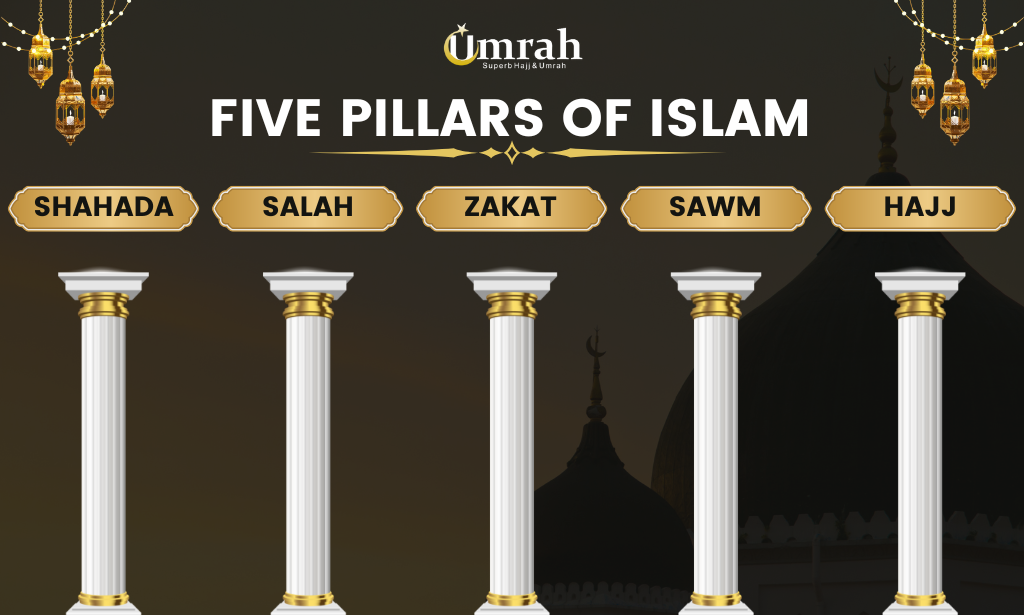
The Five Pillars of Islam form the foundation of a Muslim’s faith and practice. These essential acts guide the spiritual life of Muslims around the world.
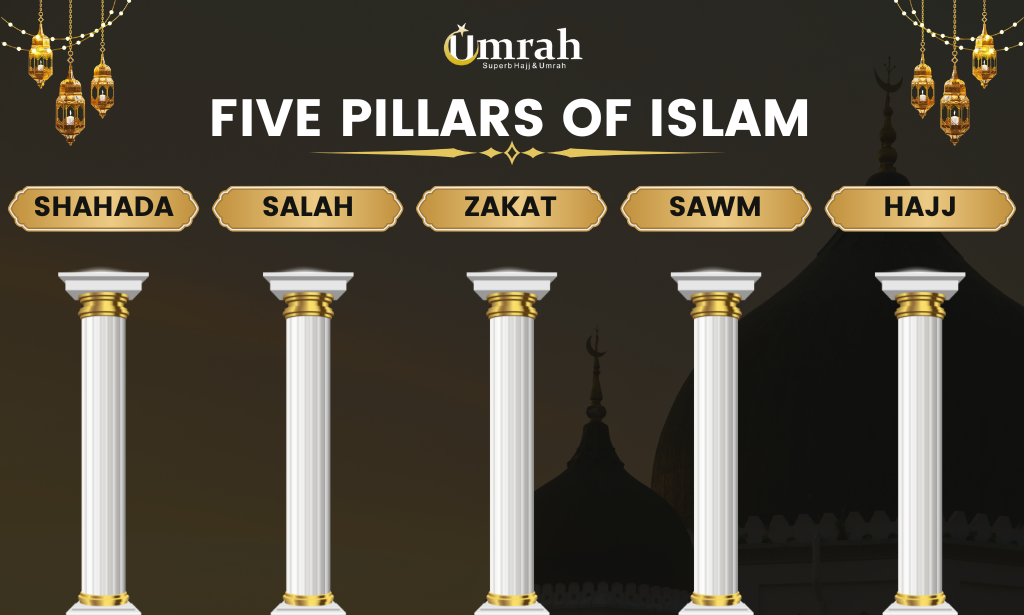
Each pillar represents a key aspect of worship and ethical living. The Shahada, or declaration of faith, emphasizes belief in one God. Salah, the ritual prayer, connects believers with their Creator five times a day. Zakat, the act of giving, promotes social justice and charity.
Sawm, or fasting during Ramadan, teaches self-discipline and empathy for the less fortunate. Finally, Hajj, the pilgrimage to Mecca, symbolizes unity and devotion. Understanding these pillars provides insight into the core values of Islam and the daily lives of its followers. Join us as we explore each pillar in detail.
The Essence Of Shahada
The Shahada, or the declaration of faith, is the cornerstone of Islam. It embodies the belief in the oneness of God and acknowledges Muhammad as His messenger. Understanding the essence of Shahada is crucial for anyone looking to grasp the foundations of Islam.
Proclaiming The Oneness Of God
At its heart, the Shahada emphasizes the oneness of God. The phrase “There is no god but God” is more than just words; it signifies total devotion and surrender. This proclamation sets the stage for a meaningful relationship with the Divine.
Consider how this belief shapes your life. When you acknowledge one God, you cultivate a sense of responsibility and purpose. This simple declaration can guide your actions and decisions daily, fostering a life aligned with your faith.
Muhammad As The Messenger Of God
The second part of the Shahada states, “Muhammad is the Messenger of God.” This recognition elevates Muhammad’s role in guiding humanity. He is seen as the final prophet, bringing a message that completes the teachings of earlier prophets.
Reflect on the teachings of Muhammad. His life offers practical examples of kindness, justice, and humility. How can you emulate his values in your own life? This commitment to following his example can deepen your faith and enhance your understanding of Islam.
Embracing the essence of Shahada is not just about reciting words. It’s about internalizing these beliefs and allowing them to transform your life. Each time you affirm your faith, you reinforce your connection to God and your commitment to live according to His guidance.
Salah: The Ritual Prayers
Salah is a key practice in Islam. It involves performing ritual prayers five times a day. These prayers connect Muslims to Allah. They offer a moment of reflection and gratitude.
Each prayer has specific times and actions. These create a rhythm in daily life. Salah is not just a duty; it is a source of peace.
Understanding The Five Daily Prayers
The five daily prayers are Fajr, Dhuhr, Asr, Maghrib, and Isha. Fajr is the dawn prayer, marking the start of the day. Dhuhr is the midday prayer, a time to pause and reflect.
Asr is the afternoon prayer, reminding Muslims to stay focused. Maghrib is the prayer after sunset, a moment to give thanks. Finally, Isha is the night prayer, closing the day with peace.
The Significance Of Communal Worship
Prayer is often performed in a group, especially on Fridays. This fosters a sense of community. It strengthens bonds among Muslims.
Gathering for Salah teaches unity and humility. It reminds everyone of their shared beliefs. Communal worship enhances spiritual growth and support.
Zakat: The Practice Of Almsgiving
Zakat is a key pillar of Islam, emphasizing the importance of almsgiving. This practice encourages Muslims to share their wealth with those in need. By giving to the less fortunate, individuals foster community support and compassion, reflecting the core values of their faith.
Zakat: The Practice of Almsgiving
Zakat stands as a fundamental practice within Islam, representing more than just a financial obligation. It embodies the spirit of generosity and responsibility towards the community. By giving a portion of your wealth to those in need, you participate in a divine act of compassion that strengthens social bonds and promotes equality.
The Role Of Charity In Islam
Charity, or sadaqah, is encouraged throughout the Quran and Hadith. Zakat, being a mandatory form of charity, highlights its importance.
You might wonder, how does your contribution really make a difference?
When you give Zakat, you are not merely donating; you are fulfilling a spiritual duty. This act fosters a sense of community, creating a safety net for those who struggle to meet basic needs.
Many Muslims share personal stories of how giving Zakat transformed their perspectives on wealth. A simple contribution can uplift families from poverty and provide opportunities for education and health care.
Zakat’s Impact On Social Welfare
The impact of Zakat on social welfare is profound. It helps bridge the gap between different socio-economic classes.
By distributing wealth, you contribute to a more balanced society. This practice can reduce poverty levels, enhance access to education, and improve overall health in communities.
Have you considered the ripple effect of your Zakat?
Imagine a child receiving an education because of your contribution. Or a family gaining access to medical care that they could not afford otherwise.
Zakat not only supports individuals but also strengthens the community as a whole. It cultivates an environment where everyone has the opportunity to thrive.
In essence, your commitment to giving Zakat is a powerful tool for social change. It helps create a more just and equitable world, one contribution at a time.

Sawm: The Fast Of Ramadan
Sawm, the fasting observed during the holy month of Ramadan, holds a special place in the hearts of Muslims around the world. This practice is not merely about abstaining from food and drink; it embodies a deeper spiritual journey. It’s a time for self-reflection, community, and a renewed connection with God.
Fasting From Dawn To Sunset
During Ramadan, Muslims fast from dawn until sunset. This means no food, drink, or other physical needs are met during daylight hours. You wake up before dawn for a meal known as Suhoor, which helps sustain you throughout the day.
As the sun sets, families gather for Iftar, breaking the fast together. This moment of shared joy can feel incredibly fulfilling. Have you ever felt that rush of gratitude after a long day of fasting?
Spiritual Reflection And Self-discipline
Fasting during Ramadan encourages spiritual reflection and self-discipline. It’s a chance to evaluate your actions and intentions. You might find yourself more focused on prayer and reading the Quran.
This period of restraint teaches you to control your desires. You become more aware of those less fortunate, fostering compassion and empathy. Can you remember a time when you felt a strong connection to a cause after experiencing something similar?
Ramadan also provides an opportunity for personal growth. The challenges of fasting can enhance your resilience and patience. Each fast completed can feel like a small victory, reinforcing your commitment to your faith.
Ultimately, Sawm is about more than just fasting; it’s about transformation. As you navigate through this sacred month, consider how these lessons can shape your everyday life.
Hajj: The Pilgrimage To Mecca
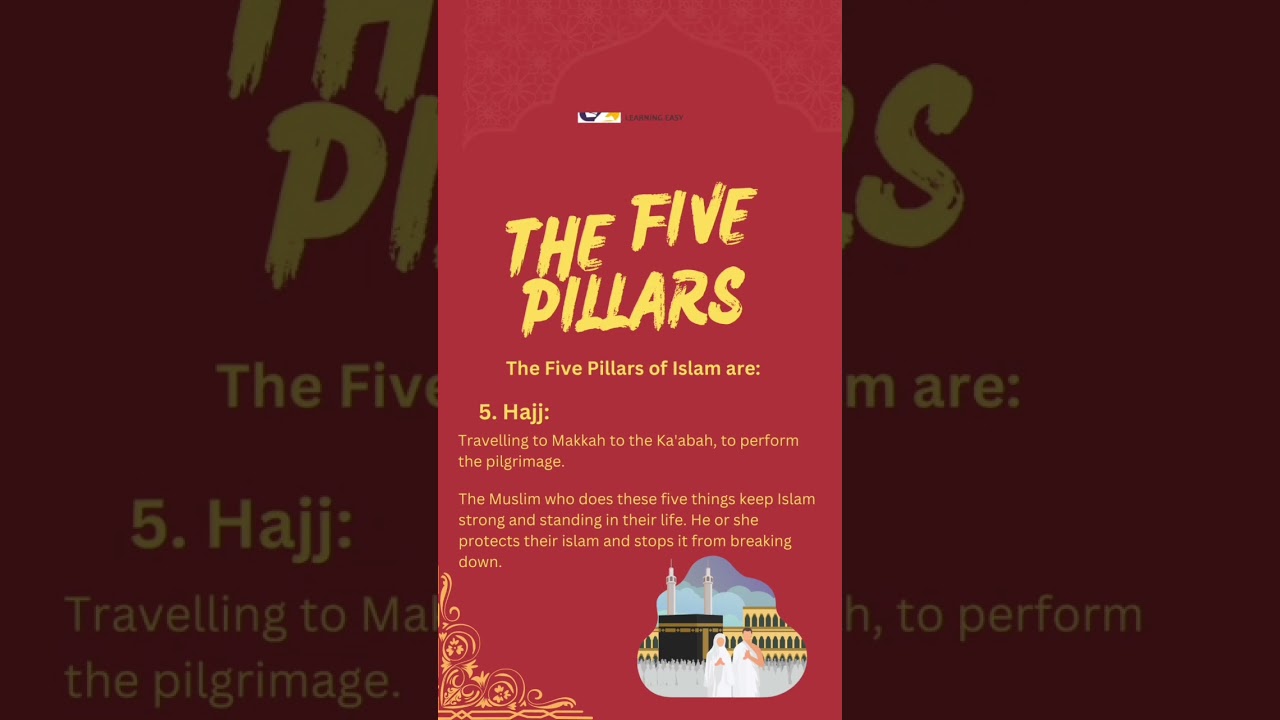
Hajj is a significant pilgrimage to Mecca, required of all Muslims who can afford it. It is the fifth of the Five Pillars of Islam, alongside Shahada, Salah, Zakat, and Sawm. This journey deepens faith and fosters a sense of unity among Muslims worldwide.
Hajj: The Pilgrimage to Mecca
Hajj is one of the most significant events in a Muslim’s life. Every year, millions of Muslims from around the world gather in Mecca, Saudi Arabia, to fulfill this sacred pilgrimage. It’s not just a journey; it’s an experience that transforms the heart and soul, connecting you deeply with your faith and the global Muslim community.
Stages Of The Pilgrimage
Hajj consists of several stages, each with its own profound significance.
1. Ihram: This is the state of spiritual purity and the special clothing worn by pilgrims. Men wear two white cloths, while women wear simple, modest attire.
2. Tawaf: Pilgrims perform Tawaf by circling the Kaaba seven times. This symbolizes unity and the centrality of God in the lives of Muslims.
3. Sa’i: This involves walking seven times between the hills of Safa and Marwah. It commemorates Hagar’s search for water for her son, Ishmael.
4. Standing at Arafat (Wuquf): This is often considered the pinnacle of Hajj. Pilgrims spend the afternoon in prayer and reflection, asking for forgiveness and guidance.
5. Muzdalifah: After Arafat, pilgrims spend the night in Muzdalifah, gathering pebbles for the next day’s rituals.
6. Ramy al-Jamarat: Pilgrims throw stones at three pillars, symbolizing the rejection of evil.
7. Eid al-Adha: The final stage involves sacrificing an animal, commemorating Abraham’s willingness to sacrifice his son as an act of obedience to God.
Each stage is filled with rituals that bring you closer to your spirituality and community.
Hajj’s Transformational Journey
The journey of Hajj is not just physical; it’s deeply spiritual. Many pilgrims describe it as a chance to reset their lives. You reflect on your past, seek forgiveness, and set intentions for the future.
You may find it overwhelming yet humbling to stand shoulder to shoulder with millions of others, all seeking the same thing: a closer connection to God. This shared experience fosters a sense of unity and belonging.
One of the most profound moments during Hajj is the day at Arafat. As you stand in prayer, surrounded by fellow pilgrims, you may feel a deep sense of peace. The atmosphere resonates with sincerity and devotion. It’s as if all worldly distractions fade away, leaving only your faith.
Have you ever experienced a moment that shifted your perspective on life? Hajj can provide that clarity. Many return home with renewed faith and a commitment to live out their values.
Hajj is a journey that transcends the individual. It connects you to a larger community and deepens your understanding of faith. Are you ready to embark on this life-changing pilgrimage?
Integrating The Five Pillars Into Daily Life
The Five Pillars of Islam are essential for every Muslim. They guide daily actions and shape a believer’s life. These pillars are not just rituals. They are a way to connect with God and others. Understanding how to integrate them daily can enhance spiritual growth. It helps build a stronger community. Let’s explore how to live these pillars beyond rituals.
Living The Pillars Beyond Rituals
Shahada, or the declaration of faith, starts every day. Saying it reminds Muslims of their beliefs. Salah, or prayer, provides moments of reflection. Performing it on time centers thoughts and actions. Each prayer creates a rhythm in daily life.
Zakat, the act of giving, nurtures compassion. Sharing wealth helps those in need. It creates a sense of community and belonging. Sawm, or fasting, teaches self-discipline. Fasting during Ramadan reminds Muslims of gratitude and empathy.
Hajj is a journey that many aspire to take. Even if not physically possible, its lessons can be practiced. Each pillar encourages positive actions. Implementing them daily fosters peace and purpose.
The Pillars As A Source Of Muslim Identity
The Five Pillars shape Muslim identity deeply. They create a bond among believers. Each act reflects faith and values. This shared commitment unites Muslims globally.
Living these pillars strengthens personal faith. It cultivates a sense of belonging. The rituals become a way of life. They influence decisions, behavior, and relationships.
Through the Five Pillars, Muslims express love for God. They also show care for others. This shared practice builds a strong community. It helps individuals feel connected to their faith and each other.
The Interconnection Of The Pillars
The Five Pillars of Islam are not just separate acts of worship. They are deeply interconnected. Each pillar influences and supports the others. Together, they create a strong foundation for a Muslim’s faith and practice. Understanding their connections enhances the meaning of each pillar.
How Each Pillar Supports The Others
Shahada, the declaration of faith, is the starting point. It confirms belief in Allah and Muhammad. This belief motivates Muslims to perform Salah, the daily prayers. Prayer strengthens faith and brings comfort. It reminds believers of their responsibilities.
Zakat, or charity, flows from this faith. When Muslims believe, they feel compelled to help others. Giving to those in need fosters community bonds. It teaches compassion and generosity.
Sawm, the act of fasting, deepens spirituality. It encourages self-discipline and reflection. Fasting during Ramadan enhances gratitude. It helps Muslims appreciate their blessings and the struggles of the less fortunate.
Hajj, the pilgrimage to Makkah, unites Muslims worldwide. It embodies the essence of faith, prayer, charity, and fasting. During Hajj, all pilgrims engage in acts of worship together. This shared experience strengthens the global Muslim community.
The Collective Strength Of The Pillars
The Five Pillars work as a cohesive unit. They reinforce each other, creating a balanced spiritual life. Each pillar addresses different aspects of faith and practice.
Shahada initiates the journey. Salah provides daily connection with Allah. Zakat builds community and supports those in need. Sawm brings self-awareness and discipline. Hajj culminates the journey, reinforcing unity and devotion.
This collective strength encourages Muslims to grow in faith. It nurtures a sense of belonging. Each act of worship enhances the others. Together, they create a fulfilling spiritual life. The interconnection of the pillars is essential for true understanding of Islam.
Modern Perspectives On The Five Pillars
The Five Pillars of Islam—Shahada, Salah, Zakat, Sawm, and Hajj—form the foundation of a Muslim’s faith and practice. These essential acts guide believers in their relationship with God and their community. Modern perspectives highlight their relevance in today’s world, emphasizing spiritual growth and social responsibility.
Modern Perspectives on the Five Pillars of Islam have evolved significantly in today’s fast-paced world. As society changes, Muslims around the globe face unique challenges in adhering to these fundamental practices. Understanding how to navigate these challenges while maintaining faith is essential for many believers.
Contemporary Challenges
Modern life brings numerous hurdles for practicing the Five Pillars.
Time constraints often complicate daily prayers (Salah). Work schedules and family commitments can clash with the five daily prayer times. This leads many to ask: how can you prioritize your spiritual obligations amid a busy lifestyle?
Financial pressures can also impact the ability to give Zakat. With rising living costs, you might wonder how to balance charitable giving with personal financial responsibilities.
During Ramadan, fasting (Sawm) presents unique challenges, particularly in regions where days are long. How do you stay committed to fasting while managing work or school responsibilities?
Adapting Practices In The Modern World
Adapting the Five Pillars to contemporary life can foster a deeper connection to your faith.
For instance, many Muslims use technology to facilitate their Salah. Mobile apps can send reminders for prayer times or help you find the nearest mosque. This can make the practice more manageable despite a hectic lifestyle.
In terms of Zakat, digital platforms allow for easy donation. You can contribute to various causes with just a few clicks, making it simpler to give back to the community.
During Ramadan, consider creating a support system with friends or family. Sharing meals can ease the fasting experience and strengthen your bonds.
Reflecting on your journey can also lead to deeper insights. What adjustments have you made to ensure your faith remains a priority?
The Five Pillars are not just ancient practices; they can be dynamic elements of your daily life. Finding balance in modern society while staying true to your beliefs is both a challenge and an opportunity. How will you adapt?

Frequently Asked Questions
What Are The 5 Pillars Of Islam In Order?
The Five Pillars of Islam, in order, are: 1. Shahada (Declaration of Faith) 2. Salah (Prayer) 3. Zakat (Charity) 4. Sawm (Fasting during Ramadan) 5. Hajj (Pilgrimage to Mecca)
What Are The 5 Pillars Of Islam Course?
The Five Pillars of Islam are fundamental acts of worship: 1. Shahada: The declaration of faith. 2. Salah: The practice of prayer. 3. Zakat: Charitable giving to those in need. 4. Sawm: Fasting during Ramadan. 5. Hajj: The pilgrimage to Mecca.
What Are The 5 Pillars Of Islam And What Is The Hajj?
The Five Pillars of Islam are Shahada (faith), Salah (prayer), Zakat (charity), Sawm (fasting), and Hajj (pilgrimage). Hajj is an annual pilgrimage to Mecca that every Muslim must undertake at least once in their lifetime if able.
What Is The 5 Pillar Of Islam Shahada?
Shahada is the first pillar of Islam, representing the declaration of faith. It states, “There is no god but God, and Muhammad is His Messenger. ” This fundamental belief affirms a Muslim’s commitment to the oneness of God and the prophethood of Muhammad.
Conclusion
Understanding the Five Pillars of Islam deepens our appreciation for the faith. Each pillar plays a vital role in a Muslim’s life. Shahada affirms belief, while Salah connects individuals to Allah. Zakat encourages generosity and community support. Sawm fosters self-discipline through fasting.
Hajj represents unity and devotion among Muslims worldwide. Embracing these pillars brings spiritual growth and strengthens faith. Learning about them helps bridge cultural gaps. Explore these practices further to appreciate their significance in everyday life. Every pillar offers lessons that resonate beyond religious boundaries.






Your point of view caught my eye and was very interesting. Thanks. I have a question for you.