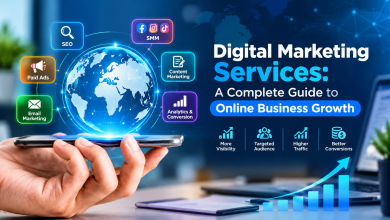
Building a Digital Marketing Business: From Valuable Skills to a Growing Online Company

Introduction
The modern business world is no longer limited by physical locations. A small company can introduce its products to customers in different cities, communicate through social media, and receive orders through a website. This change has created a growing need for professionals who understand how to turn online platforms into useful business opportunities. Digital Marketing Business Skills
A digital marketing business operates around this demand. Instead of manufacturing products, it provides knowledge-based services that help other companies attract attention, communicate their value, and reach potential customers.
However, establishing this type of business involves much more than opening a Facebook page or running advertisements. A successful marketing service must understand the challenges businesses face and develop suitable solutions. Digital Marketing Business Skills
For someone starting with limited resources, digital marketing can offer a practical path toward entrepreneurship. The important part is knowing which skills to develop, what services to provide, how to find customers, and how to build a business that can survive beyond its first few projects.
1. Understanding the real purpose of a digital marketing business
A digital marketing business helps organizations use online channels to achieve specific commercial goals. These goals may include attracting new customers, improving brand recognition, increasing website visits, or generating sales inquiries. Digital Marketing Business Skills
Consider a small fashion retailer that regularly uploads product photographs to Facebook but receives very few meaningful inquiries. The problem may not be the quality of its products. Its promotional messages might be unclear, its images may not attract attention, or its content may be reaching the wrong audience.
A marketing professional examines these problems before suggesting improvements.
The business may operate as:
- An independent digital marketing service.
- A small agency managing multiple clients.
- A specialized SEO or advertising company.
- A marketing consultancy offering strategic advice.
Each model has different responsibilities, costs, and growth opportunities.
2.Identifying business problems that marketing can solve

Before choosing a service, it is useful to understand why companies need marketing assistance.
Many small businesses have products worth promoting but lack the time or knowledge to present them effectively online.
Some common problems include:
Low online visibility: Potential customers cannot easily discover the business through search engines or social media.
Unorganized content: Posts are published without a consistent message, purpose, or schedule.
Weak customer communication: Product information, prices, delivery details, and business policies are difficult to understand.
Poor advertising decisions: Promotional budgets are spent without proper audience research or performance evaluation.
Limited website performance: Visitors struggle to find important information or complete a purchase.
A digital marketing professional can investigate these issues and recommend improvements based on the client’s actual needs.
Understanding problems first helps create services that offer genuine value rather than unnecessary promotional activities.
3. Selecting a profitable service area
A new entrepreneur should avoid trying to master every marketing discipline at once. Developing a clear specialization makes it easier to learn, practice, and explain what the business offers.
Search engine optimization
Services may include keyword research, content planning, on-page optimization, internal linking, and technical website improvements.
For example, an educational website might publish articles answering common student questions. An SEO professional can research the search terms people use and help organize content around those needs.
Social media marketing
Social media marketing gives businesses an opportunity to present their offerings, participate in online conversations, understand audience interests, and turn everyday interactions into meaningful customer connections through digital communities.
The work can involve content calendars, promotional graphics, captions, page management, audience interaction, and performance reports. Digital Marketing Business Skills
This service is particularly relevant to businesses that depend on regular communication with customers.
Paid advertising management
Paid advertising allows businesses to purchase promotional placements to reach selected audiences.
A marketer may manage Meta Ads or Google Ads campaigns by researching audiences, preparing creative materials, selecting objectives, and monitoring results.
Good advertising management involves testing different approaches instead of assuming that one advertisement will work for every customer.
Content development
Content development focuses on creating meaningful digital materials that answer audience questions, explain product benefits, share industry knowledge, and help potential buyers make informed decisions.
Examples include website articles, product descriptions, social media captions, video scripts, and educational guides.
Useful content can answer customer questions before they contact a company, making the buying process easier.
Email campaign management
Email marketing provides businesses with a direct communication channel for people who have subscribed to receive their messages.
Professionals can prepare newsletters, organize subscriber groups, write promotional emails, and evaluate campaign engagement.
The focus should remain on relevant communication rather than sending repeated advertisements without considering customer interests.
4. Developing the knowledge behind the service

Knowing how to operate a tool is useful, but understanding why and when to use it is even more important. Digital Marketing Business Skills
For example, increasing Facebook followers may be helpful for brand awareness, but it may not directly solve a company’s problem of receiving too few orders.
A marketer should therefore understand:
- Customer research and audience behavior.
- Search intent and keyword selection.
- Content planning and communication.
- Advertising objectives and budget management.
- Website performance and user experience.
- Marketing analytics and reporting.
- Professional client communication.
These skills work together. A marketer who understands both customer needs and campaign performance can make more informed recommendations. Digital Marketing Business Skills.
Learning should also continue after starting the business because digital platforms, advertising systems, and customer expectations regularly change.
5. Turning practical skills into a business
Knowledge becomes commercially valuable when it can be applied to real situations.
A beginner can follow a gradual process to develop a professional service.
Start with a small service offering
Choose one area where you can produce reliable work. A focused service makes it easier to understand the required workflow and deliver consistent results. Digital Marketing Business Skills.
Create demonstration projects
You do not need to wait for your first client to build a portfolio.
Prepare a sample content calendar for a clothing shop, conduct keyword research for a demonstration website, or design promotional graphics for an imaginary restaurant.
These projects can demonstrate your approach and technical abilities. Clearly identify demonstration work as sample projects.
Establish a professional identity
Choose a suitable business name and develop a recognizable visual style.
Your online profiles should explain what you do, who your services are intended for, and how potential customers can contact you.
A simple portfolio website can also help visitors review your previous work and understand your services.
Define your working process
Before accepting a project, determine what information you need from the client, how the work will be completed, and when deliverables will be provided.
A written agreement covering responsibilities, payment, revisions, and deadlines can prevent misunderstandings. Digital Marketing Business Skills
Begin with manageable projects
Early projects should match your current abilities. Taking on complicated advertising campaigns without sufficient knowledge can create problems for both you and the client.
Build experience gradually and expand your services when you are confident about delivering them.
6.Finging the right customers
Getting attention from potential clients is different from convincing them to purchase a service.
A professional approach starts with identifying businesses that have a genuine need for marketing assistance.
For example, a local restaurant might have attractive food photographs but no organized menu information online. An online clothing store might publish products without clear descriptions or consistent promotional content.
These observations can become useful starting points for a business conversation.
Some practical ways to connect with potential clients include:
Professional social media activity: Share useful marketing explanations, design samples, and practical suggestions. Digital Marketing Business Skills
Direct business communication: Contact relevant business owners with a personalized message that identifies a specific improvement opportunity.
Professional networking: Build connections with entrepreneurs, freelancers, designers, and website developers.
Portfolio publishing: Display your work in an organized format so potential clients can evaluate your abilities.
Educational content: Publish articles and guides that demonstrate your understanding of marketing challenges. Digital Marketing Business Skills
Avoid making unrealistic promises about sales, followers, or search rankings. Honest communication creates stronger relationships than exaggerated claims.
7. Creating services that customers understand
Customers should not have to guess what they will receive after hiring a marketing professional.
A clear service package explains the work, expected delivery schedule, responsibilities, and price.
For example, a monthly social media management package could include:
- A monthly content plan.
- A defined number of promotional designs.
- Caption writing.
- Scheduled publishing.
- Basic engagement monitoring.
- A monthly performance summary.
An SEO package may include keyword research, content recommendations, on-page improvements, and reporting. Digital Marketing Business Skills
Pricing should reflect the complexity of the project, the time involved, the required expertise, and the value of the service. Digital Marketing Business Skills
As experience increases, service packages can become more specialized and better organized.
8.Using technology to work more efficiently

Marketing tools can reduce repetitive work and make business activities easier to manage. Digital Marketing Business Skills
Some useful platforms include:
- Canva: Creating professional graphics and promotional materials.
- Google Analytics 4: Understanding website visits and user interactions.
- Google Search Console: Monitoring search visibility and indexing information.
- Meta Business Suite: Managing Facebook and Instagram business activities.
- Google Trends: Exploring changes in search interest.
- WordPress: Building and maintaining websites.
- Mailchimp: Managing email communication.
- ChatGPT: Supporting research, brainstorming, and content planning.
These platforms serve different purposes. Choosing tools according to actual business requirements is more sensible than paying for multiple subscriptions without a clear reason.
Artificial intelligence can improve productivity, but marketers must still review information, verify facts, and make sure the final work matches the client’s objectives. Digital Marketing Business Skills
9.Managing challenges as the business grows
The first few months of a digital marketing business can be difficult. Entrepreneurs may struggle with finding clients, estimating project costs, organizing workloads, or proving their experience.
Competition is another challenge. Many professionals offer similar services, so businesses need a reason to choose one provider over another.
Developing industry knowledge and understanding a particular customer group can help create a stronger position in the market.
Client management also becomes important as projects increase. Without proper planning, missed deadlines and unclear communication can affect service quality.
A simple project management system, regular progress updates, and organized records can make daily operations more manageable. Digital Marketing Business Skills
Most importantly, avoid expanding faster than your ability to maintain quality. A smaller number of satisfied clients can provide a stronger foundation than too many poorly managed projects.
10. Opportunities shaping the future of digital marketing
Technology continues to introduce new ways for companies to reach and understand their customers.
Artificial intelligence is supporting research, content planning, customer service, and marketing analysis. Professionals who learn to use these tools responsibly may improve their productivity.
Video content also creates opportunities for businesses that want to demonstrate products, explain services, or share educational information. Digital Marketing Business Skills
Local search optimization remains valuable for businesses that depend on customers within particular locations.
Marketing automation can help companies organize repetitive communication, while data analysis can provide a better understanding of campaign performance.
These developments do not remove the need for professional marketers. Instead, they increase the importance of people who can combine technology with creativity, critical thinking, and customer understanding.
Conclusion
A digital marketing business is built by identifying business needs and developing services that address them effectively. It is not simply an online activity or a collection of advertising tools. It is a professional service that combines research, communication, creativity, and practical problem-solving.
Beginners can enter this industry by choosing a manageable specialization, developing practical experience, preparing a portfolio, and connecting with suitable customers.
Growth should come from reliable delivery, transparent communication, and continuous improvement rather than unrealistic promises. Digital Marketing Business Skills
The strongest foundation for a lasting marketing business is the ability to understand what customers need and provide work that genuinely helps them move closer to their business goals.