Health and fitness Application: How Digital Tools Support a Healthier Lifestyle

Introduction
Maintaining good health requires regular physical activity, balanced nutrition, sufficient sleep, and consistent daily habits. However, managing these activities can become difficult when people have busy schedules and multiple responsibilities. Digital technology is making this process easier by providing convenient tools for monitoring everyday wellness. Health and fitness Application How Digital Tools Support a Healthier Lifestyle .
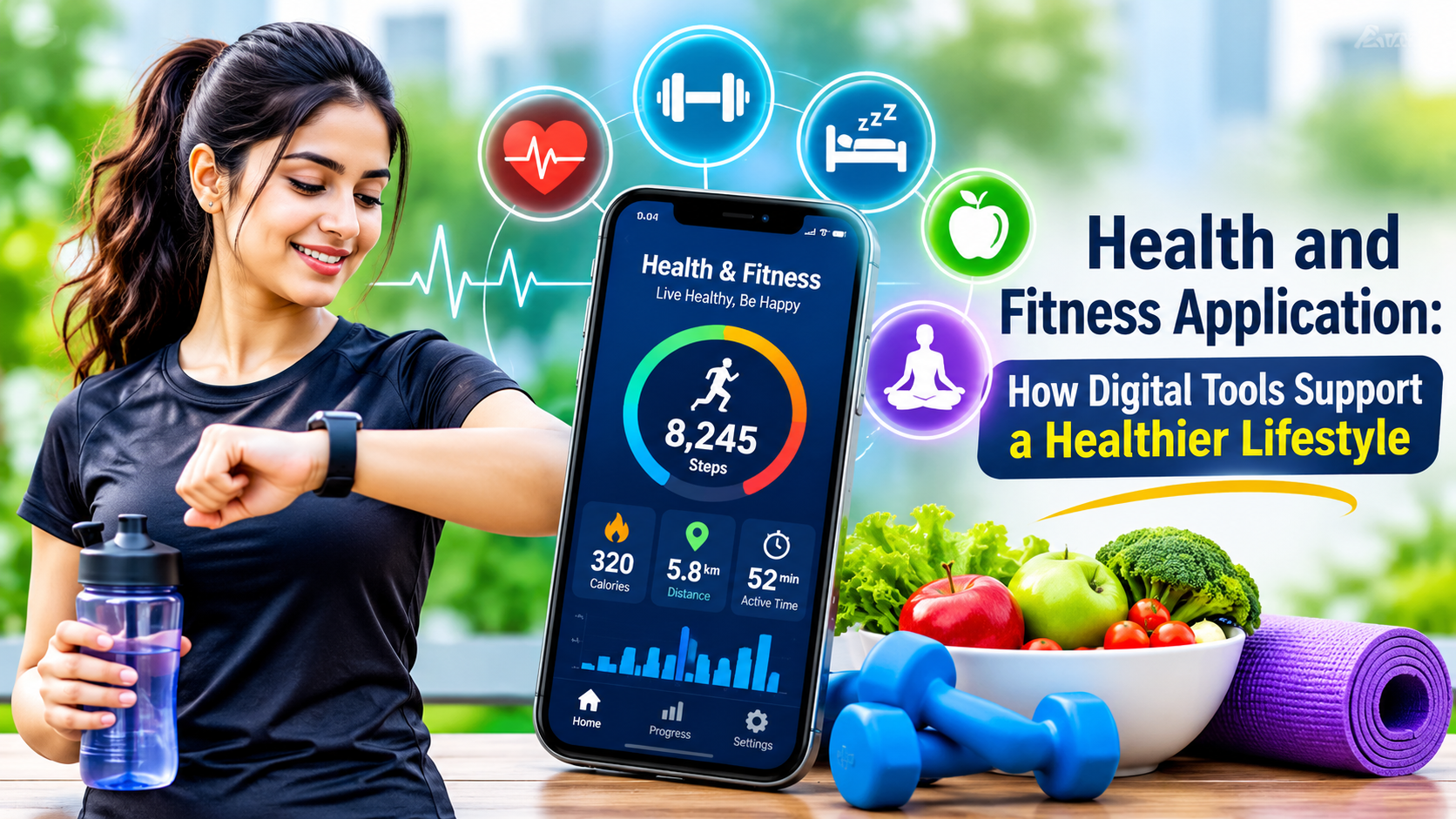
Health and fitness applications are designed to help individuals understand their physical activities, organize exercise routines, record food consumption, and monitor sleeping patterns. Through smartphones and connected devices, users can access information that helps them make more informed lifestyle decisions.
These applications are useful for different groups of people, including students, office workers, beginners, and experienced fitness enthusiasts. Some focus on exercise planning, while others provide nutrition information, activity records, or relaxation exercises.
Although digital tools cannot replace professional healthcare, they can support healthier routines when used correctly. Understanding their features, benefits, and limitations can help people choose applications that match their personal needs.
1.Understanding health and fitness application
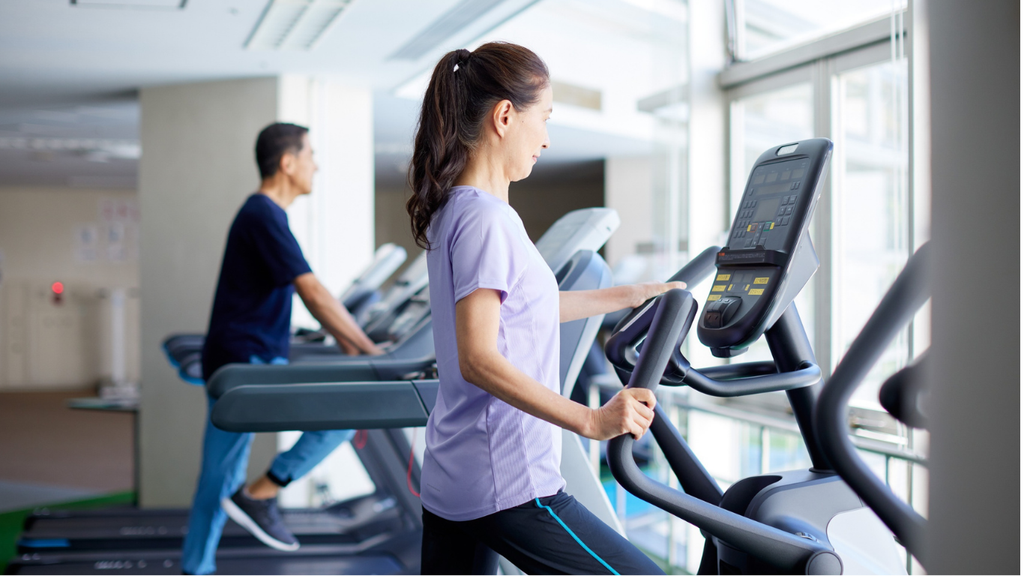
Health and fitness applications are software programs that provide digital services related to physical activity, nutrition, sleep, and personal wellness. Most are available through smartphones, tablets, smartwatches, and other compatible devices.
Their main purpose is to make everyday health information easier to record, organize, and review.
For example, someone who wants to become more active can use a step-counting application to monitor daily movement. Another person may use a nutrition tracker to understand regular eating habits.
Some applications also provide workout instructions, activity reminders, progress summaries, and personalized settings. Health and fitness Application How Digital Tools Support a Healthier Lifestyle .
Instead of collecting information manually, users can manage several wellness activities through a single digital platform. The available features depend on the application and the device being used.
2.Different types of health and fitness applications
Digital wellness applications serve different purposes. Understanding their categories can help users select suitable tools.
A. physical activity tracking applications
Activity-tracking applications help users record movement throughout the day. Depending on the device, they may measure walking distance, running duration, estimated steps, and other physical activities.
These records can help people understand how active they are during normal daily routines. Health and fitness Application How Digital Tools Support a Healthier Lifestyle .
For example, someone who spends several hours working at a desk may discover that they move very little during working hours. This information can encourage them to include short walking breaks in their schedule.
The purpose of activity tracking is not simply to achieve a particular number
B .workout and exercise applications
Workout applications provide exercise instructions and training plans for people with different fitness interests.
Common features include:
- Home workout demonstrations.
- Strength and flexibility exercises.
- Beginner-friendly training routines.
- Cardio workout sessions.
- Exercise schedules and progress records.
These applications are useful for people who prefer exercising at home or cannot regularly visit a fitness center.
However, users should select activities according to their abilities. Following difficult exercises without proper preparation may increase the possibility of injury.
C .Nutrition and meal tracking applications
Food management applications help users record meals and understand their general eating patterns.
Some provide food databases, ingredient information, estimated nutritional values, and meal-planning suggestions. Health and fitness Application How Digital Tools Support a Healthier Lifestyle .
For example, a person may record breakfast, lunch, and dinner to identify whether their daily eating habits are balanced and consistent.
These tools can increase awareness of food choices, but their nutritional estimates are not always exact. Individuals with medical conditions or special dietary requirements should seek guidance from qualified professionals.
D .Sleep monitoring applications
Sleep-related applications help users record bedtime, waking time, and general sleeping patterns.
Some include bedtime reminders, relaxation sounds, and sleep journals.
A person who regularly follows an inconsistent sleeping schedule may use these records to recognize patterns and establish a more regular routine.
However, smartphone-based sleep measurements are estimates. They should not be treated as medical diagnoses or accurate measurements of every sleep stage. Health and fitness Application How Digital Tools Support a Healthier Lifestyle .
E .Meditation and mental wellness application
Personal wellness also involves relaxation, emotional balance, and stress management.
Meditation applications often provide guided breathing exercises, mindfulness sessions, relaxation audio, and short meditation activities.
Students and working professionals may find these features useful when they want to create a quiet break during a busy day.
These applications can support general relaxation, but they are not substitutes for professional mental healthcare when it is needed.
3.How fitness applications support everyday healthy
One important advantage of digital wellness tools is that they help people recognize patterns in their everyday activities.
Many individuals have difficulty remembering how much they walked, what they ate, or when they went to sleep during previous days. Health and fitness Application How Digital Tools Support a Healthier Lifestyle .
Applications can organize these details into daily or weekly records.
For instance, a walking tracker may show that a person is more active on weekends than on working days. A meal diary may reveal that they frequently skip meals because of a busy schedule.
Such information can help users identify practical areas for improvement.
Other useful features include:
- Activity reminders that encourage movement.
- Workout calendars that organize exercise sessions.
- Meal records that increase awareness of food choices.
- Sleep journals that help users observe sleeping schedules.
- Progress summaries that make long-term habits easier to review.
These features are most useful when they encourage realistic improvements instead of creating unnecessary pressure. Health and fitness Application How Digital Tools Support a Healthier Lifestyle .
4. Popular health and fitness applications
Several established digital platforms offer tools for monitoring different aspects of personal wellness.
Google fit
Google Fit provides activity-related features that help users review movement and exercise information. Its available functions depend on device compatibility and supported integrations.
MyFitnessPal
MyFitnessPal offers food logging and nutritional information. Users can record meals and review their general eating patterns.
Nike training club
Nike Training Club provides workout guidance and exercise programs for people interested in different training activities. Health and fitness Application How Digital Tools Support a Healthier Lifestyle .
Strava
Strava is designed for recording outdoor activities such as running and cycling. It also offers tools for reviewing activity history and performance.
Each platform has different features, subscription options, and privacy practices. Users should review the current terms before selecting an application.
5.Key factors to evaluate when selecting a health application
Finding the right health application involves more than checking its popularity, ratings, or number of downloads. A useful application should match individual needs, offer dependable features, and make everyday health management easier.
Before installing an application, consider the following aspects:
User-Friendly Experience: An application should have a clear layout and straightforward controls. Users should be able to enter information, check activity records, and access important tools without unnecessary difficulty. Health and fitness Application How Digital Tools Support a Healthier Lifestyle .
Purpose-Driven Features: Different applications serve different purposes. Some focus on physical activity, while others help monitor sleep, nutrition, or daily habits. Select a platform that addresses your personal health goals rather than one filled with features you may never use.
Meaningful Progress Tracking: Useful applications provide understandable activity summaries and historical records. Comparing daily or weekly information can help users recognize patterns and evaluate their progress over time. Health and fitness Application How Digital Tools Support a Healthier Lifestyle .
Compatibility With Other Devices: Before choosing an application, confirm that it supports your smartphone and any wearable technology you use, such as a smartwatch or fitness tracker. Smooth device integration can make information collection more convenient.
Personal Data Security: Health applications may collect sensitive personal information. Examine their privacy policies, permission settings, and data-sharing practices to understand how your information is handled and protected.
Accuracy and Credibility: Give preference to applications that present health information responsibly and rely on credible sources. Avoid platforms that guarantee unrealistic results or provide misleading medical recommendations.
Pricing and Subscription Conditions: Check which features are available without payment and which require a subscription. Understanding renewal terms, additional charges, and cancellation policies can help prevent unexpected expenses.
Ultimately, the best health application is not necessarily the one with the most advanced technology. It is the one that provides relevant tools, protects personal information, and supports healthy routines in a practical and consistent way. Health and fitness Application How Digital Tools Support a Healthier Lifestyle .
6.Benefits of using digital wellness tools

Health and fitness applications offer several advantages when users include them in a balanced lifestyle.
Improved Awareness: Activity and food records help people understand their everyday habits.
Convenient Access: Many basic wellness features are available directly through smartphones.
Better Organization: Workout calendars and reminders can help users manage exercise schedules.
Personal Progress Monitoring: Historical records make it easier to review changes over time.
Flexible Exercise Options: Home-based workout guidance allows people to explore physical activities without always visiting a gym.
More Informed Decisions: Organized information can help users recognize habits that may need attention.
However, these benefits depend on responsible usage. An application cannot automatically create healthy habits without personal effort and consistency. Health and fitness Application How Digital Tools Support a Healthier Lifestyle .
7.Challenges and limitations of health and fitness applications
Challenges and limitations of using digital health applications
Despite making health management more accessible, digital health applications are not completely reliable. Certain technical, privacy, and usability issues can affect how people interpret and use the information these platforms provide. Understanding these challenges helps users develop realistic expectations and make better decisions.
Inconsistent tracking results
Health applications often depend on smartphone sensors, wearable devices, and automated calculations to monitor daily activities. However, these technologies cannot always capture information with complete accuracy. For example, step counters may record incorrect movements, calorie estimates can differ from actual energy expenditure, and sleep trackers may misinterpret sleeping patterns. Users should treat these results as general estimates rather than precise medical measurements.
Concerns about personal information
Many health applications request access to personal details, including physical activity records, dietary preferences, location information, and sleep habits. If this information is not handled responsibly, it may create privacy and security concerns. Before using an application, individuals should review its data policies, examine permission requests, and understand whether their information is shared with external organizations.
Too much dependence on digital tracking
Regularly monitoring health statistics can sometimes become an unnecessary distraction. People may spend more time checking application dashboards than participating in physical activities. Constant notifications and repeated progress checks can also interrupt everyday routines. Technology should make healthy habits easier to maintain, not become another source of distraction.
Pressure from unrealistic comparisons
Some applications include community challenges, performance rankings, and activity-sharing features. Although these options can encourage participation, comparing personal achievements with others may create frustration or unrealistic expectations. Every individual has different physical abilities, schedules, and starting points. A healthier approach is to measure personal improvement instead of trying to match someone else’s results. Health and fitness Application How Digital Tools Support a Healthier Lifestyle .
Limited features behind paid subscriptions
Not every useful feature is available without payment. Certain applications restrict detailed reports, personalized recommendations, advanced tracking, or additional tools to premium subscribers. These restrictions may reduce the usefulness of free versions. Users should examine pricing structures, subscription renewal conditions, and available features before committing to a paid service.
Overall, digital health applications can support everyday wellness, but their limitations should not be overlooked. Using them with realistic expectations, sensible privacy practices, and independent judgment can help people benefit from technology without becoming overly dependent on it.
8. Practical ways to use fitness applications effectively

Getting useful results does not require activating every available feature. A simple approach can make digital wellness tools easier to manage.
- Choose a clear objective: Decide whether you want to monitor walking, organize workouts, or understand eating habits.
- Select a suitable application: Find a platform that provides the features you actually need.
- Set realistic targets: Begin with manageable activities that fit your schedule.
- Maintain regular records: Consistent information makes progress easier to understand.
- Review your habits: Look at weekly summaries rather than worrying about every daily measurement.
- Balance technology with activity: Spend more time moving, resting, and maintaining healthy routines instead of constantly checking your phone.
- Protect personal information: Review privacy settings and control access to sensitive data.
For beginners, starting with one application is often enough. Additional tools can be introduced later if they provide genuine value. Health and fitness Application How Digital Tools Support a Healthier Lifestyle .
9.what to expect from the next generation of health and fitness applications
Health and fitness applications are gradually evolving as new technologies create better ways to understand everyday wellness. Artificial intelligence, smart wearable devices, and advanced data analysis may make these platforms more helpful and adaptable to individual needs.
AI-based tools could help users identify changes in their exercise routines, understand activity records, and discover healthier daily habits. Meanwhile, connected devices such as smartwatches may offer easier access to information about heart rate, movement, and physical activity.
Future platforms may also provide clearer progress reports and more personalized fitness experiences. However, automated suggestions will still require careful evaluation because digital estimates cannot replace professional healthcare advice. Health and fitness Application How Digital Tools Support a Healthier Lifestyle .
As these technologies develop, protecting personal information, improving data reliability, and maintaining user trust will become essential.
Overall, the next generation of health and fitness applications may offer smarter and more convenient ways to support everyday wellness.
Conclusion
Health and fitness applications have become practical digital resources for people who want to understand and organize their everyday wellness habits. From activity tracking and workout planning to nutrition records and sleep monitoring, these tools provide several ways to support a healthier lifestyle.
However, downloading an application is only the beginning. Meaningful improvement comes from consistent physical activity, balanced food choices, adequate rest, and responsible daily decisions.
It is the one that matches personal needs, provides understandable information, and encourages sustainable habits. Health and fitness Application How Digital Tools Support a Healthier Lifestyle .
By combining useful digital tools with practical lifestyle choices, individuals can take a more organized and informed approach to their long-term well-being.