Technology: How Modern Innovations Are Transforming everyday Life

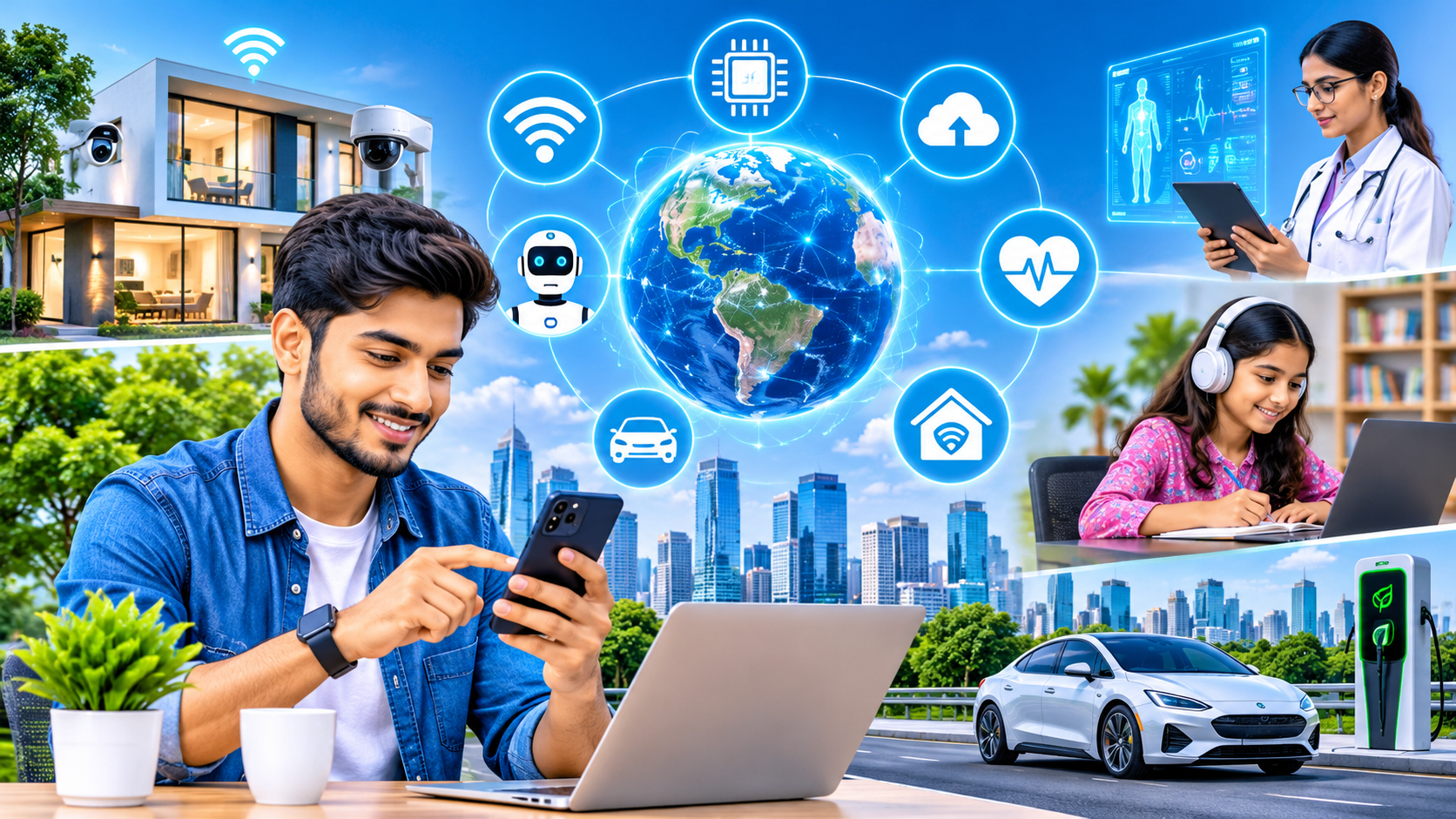
Technology has become an essential part of modern society. From the moment people wake up and check their smartphones to the time they finish their daily work, technology influences many aspects of their lives. It has changed how people communicate, learn, work, shop, travel, manage money, and access information. What once required significant time and effort can now often be completed within a few minutes using digital devices and online services.
The development of technology is not limited to computers and smartphones. It also includes artificial intelligence, cloud computing, robotics, automation, digital communication systems, and smart devices. These innovations are creating new opportunities for individuals, businesses, educational institutions, and communities.
However, technological progress also introduces challenges. Online privacy, cybersecurity, misinformation, digital addiction, and unequal access to modern tools are important issues that society must address.
Understanding technology is therefore essential for anyone who wants to participate confidently in today’s digital world. This article explores how modern technology works, its importance in everyday life, its major benefits, its challenges, and the opportunities it may create in the future.
What is technology?
Technology refers to the practical application of knowledge, scientific discoveries, and technical skills to develop tools, systems, and solutions that help people solve problems. It includes simple inventions as well as advanced digital systems designed to make everyday activities more efficient.
Technology existed long before computers and the internet. Early agricultural tools, printing machines, transportation systems, and industrial equipment were all important technological developments. Over time, scientific research and human creativity introduced more advanced inventions.
Today, technology covers a wide range of fields, including information technology, medical equipment, communication networks, transportation, engineering, and artificial intelligence.
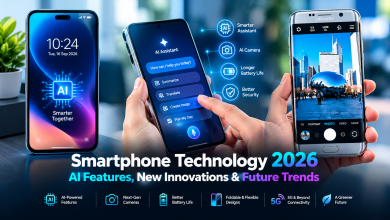
For example, a smartphone combines several technologies in one device. People can use it to communicate, take photographs, attend online classes, make payments, navigate unfamiliar locations, and access educational resources.
The main purpose of technology is not simply to create advanced machines. It is to develop practical solutions that improve people’s lives and help society progress.
How technology has changed everyday life

Modern technology has changed everyday activities in ways that were difficult to imagine just a few decades ago. Many tasks that once required physical visits, paperwork, or long waiting periods can now be completed through digital platforms.
1.Faster communication and global connectivity
Communication is one of the areas most significantly influenced by technology. In the past, people often depended on handwritten letters, traditional telephone services, or face-to-face meetings to exchange information.
Today, smartphones, messaging applications, video calls, and social media platforms allow people to communicate almost instantly.
Students can discuss assignments with classmates, businesses can communicate with international customers, and families can stay connected even when they live in different countries.
Digital communication also supports remote collaboration. Employees can attend virtual meetings, share documents, and work together without being physically present in the same office.
These developments have made communication faster and more accessible, although responsible online communication remains important.
2.Easier access to information and knowledge
Previously, individuals often depended on libraries, printed books, and newspapers to learn about unfamiliar subjects.
Now, search engines, educational websites, digital libraries, and online learning platforms provide access to information from many parts of the world.
People can explore subjects such as science, history, business, technology, language learning, and personal development from their homes.
For example, someone interested in digital marketing can learn about search engine optimization, social media advertising, content creation, and online business management through online educational resources.
However, not every online source provides accurate information. Readers should compare reliable sources, check publication details, and avoid accepting unverified claims as facts.
3.Technology in modern education
Education has become more flexible because of digital innovation. Online classrooms, educational applications, digital textbooks, and video tutorials allow students to learn beyond traditional classroom environments.
Teachers can use presentations, interactive activities, and digital assessments to make lessons more engaging.
Students can also review recorded lessons, research difficult topics, and practice new skills at their own pace.
Technology can be particularly helpful for people who have limited access to educational institutions. Online resources may provide additional learning opportunities for individuals living in rural or underserved communities.
However, technology cannot replace every part of the learning experience. Personal guidance, practical activities, communication, and critical thinking remain essential parts of effective education.
4.The role of technology in business
Businesses increasingly depend on technology to manage daily operations and reach customers.
Digital tools help companies organize information, communicate with employees, manage inventory, process transactions, and understand customer behavior.
Small businesses can also benefit from digital platforms. A business owner can create a social media page, promote products, communicate with customers, and receive orders without opening a traditional retail location.
E-commerce websites allow businesses to sell products to customers in different locations. Digital advertising helps companies introduce their products and services to specific audiences.
Technology also supports business planning through analytics tools. Business owners can examine website traffic, advertising performance, sales patterns, and customer feedback to make better decisions.
Nevertheless, successful business growth still depends on product quality, customer service, market understanding, and effective management.
5.Digital banking and online payments
Financial technology has made many financial activities more convenient. Mobile banking applications, digital wallets, online payment systems, and electronic transactions allow users to manage money through digital devices.
People can check account balances, transfer funds, pay bills, and review transaction histories without visiting a physical bank for every activity.
In Bangladesh, mobile financial services have also helped people make digital payments and transfer money more conveniently.
However, users must protect their financial information. Strong passwords, secure devices, official applications, and careful verification of payment requests can reduce the risk of fraud.
Technology makes financial services more accessible, but financial security still requires responsible behavior.
Important types of modern technology
Technology includes several major fields, each contributing to different areas of modern life.
Artificial intelligence (AI)

Artificial intelligence is a field of computer science that focuses on developing systems capable of performing tasks that normally require human intelligence.
AI-powered systems can analyze information, recognize patterns, process language, generate content, and support decision-making.
Examples include virtual assistants, language translation tools, recommendation systems, and AI-powered writing applications.
Businesses can use AI to analyze customer questions, organize information, and improve certain repetitive tasks.
However, AI-generated information is not always accurate. Human review is important, particularly when decisions involve education, finance, safety, or other important matters.
Cloud computing
Cloud computing allows people and organizations to access computing resources, applications, and digital storage through the internet.
Instead of depending entirely on a single computer, users can store files online and access them through supported devices.
Cloud services are useful for businesses that need to share documents, manage projects, and collaborate with employees working from different locations.
Students can also use cloud-based applications to save assignments and access their work from multiple devices.
Security settings and access permissions should be managed carefully to protect stored information.
Internet of things (IoT)
The Internet of Things refers to physical devices connected to the internet that can collect, exchange, or process information.
Examples include smart televisions, connected security cameras, smart thermostats, wearable fitness devices, and certain home appliances.
These devices can help users monitor activities and control selected functions remotely.
For example, a smart home system may allow someone to adjust lighting or check a security camera using a smartphone.
However, connected devices should be protected with strong passwords, software updates, and appropriate privacy settings.
Robotics and automation
Robotics and automation are important areas of technological development.
Robots are used in manufacturing, healthcare, research, agriculture, and other industries. Automated systems can perform repetitive tasks with speed and consistency.
In manufacturing environments, machines can assist with packaging, assembling, sorting, and quality inspection.
Automation can improve productivity and reduce certain types of manual work. At the same time, employees may need additional training to adapt to changing workplace requirements.
Mobile and wireless technology
Mobile technology allows people to access digital services through portable devices such as smartphones, tablets, and laptops.
Wireless networks make it possible to communicate and exchange information without depending on traditional wired connections.
Mobile technology supports online education, navigation, entertainment, business communication, and digital payments.
As mobile networks develop, more people may gain access to services that were previously difficult to reach.
Major benefits of technology
Technology provides several advantages when it is used thoughtfully and responsibly.
1. Saves time and effort: Digital tools help people complete many everyday tasks more quickly. Online payments, electronic documents, and automated systems reduce the need for repetitive manual activities.
2. Improves productivity: Businesses and individuals can use project management software, communication platforms, and productivity applications to organize their work.
3. Expands learning opportunities: Online courses, educational videos, and digital resources make knowledge more accessible to learners.
4. Supports healthcare services: Modern medical equipment, digital health records, and telemedicine services can help healthcare professionals manage information and provide certain services remotely.
5. Creates business opportunities: E-commerce, digital marketing, and online service platforms allow entrepreneurs to reach customers beyond their immediate locations.
6. Improves access to information: Search engines and digital libraries make it easier to explore different subjects and learn new skills.
7. Supports innovation: New technologies encourage research, creative problem-solving, and the development of new products and services.
These benefits demonstrate how technology can contribute to individual development and wider economic progress.
Challenges and disadvantages of technology
Although technology offers many advantages, it also creates challenges that should not be ignored.
Privacy and data security
Digital platforms collect different types of information, depending on the services people use. Personal details, browsing activities, financial information, and account credentials may be exposed if systems are not properly protected.
Cybercriminals may use phishing messages, fake websites, malicious software, or stolen passwords to gain unauthorized access.
People should avoid sharing sensitive information with unverified platforms and should use two-factor authentication whenever available.
Excessive screen time
Spending too much time using smartphones, computers, and other digital devices can affect daily routines.
Some people find it difficult to maintain a healthy balance between online activities and offline responsibilities.
Taking regular breaks, limiting unnecessary notifications, and maintaining time for physical activities can help develop healthier digital habits.
Digital inequality

Not everyone has equal access to modern technology.
Some communities face difficulties because of limited internet connectivity, expensive devices, insufficient digital skills, or a lack of educational resources.
This gap can affect opportunities in education, employment, and business.
Improving digital infrastructure and providing accessible technology education can help reduce these differences.
Job changes through automation
Automation can change the types of tasks required in many industries.
Some repetitive activities may become automated, while new opportunities emerge in technology-related fields.
Workers may need to develop additional skills to remain competitive in changing workplaces.
Learning digital tools, communication, problem-solving, and technical skills can help individuals prepare for these changes.
Misinformation and online scams
The internet makes information widely available, but it also allows false information and misleading content to spread quickly.
Fake news, fraudulent offers, impersonation, and misleading advertisements can create serious problems.
Users should verify information through reliable sources and avoid clicking suspicious links or sharing unverified messages.
How to use technology safely and effectively
Using technology responsibly is just as important as understanding how it works.
Here are some practical habits that can help individuals improve their digital experiences.
Use strong passwords: Create unique passwords for important accounts. Avoid using easily guessed information.
Enable additional security: Two-factor authentication provides an extra layer of protection for supported accounts.
Keep software updated: Updates often include security improvements and important corrections.
Check website reliability: Before entering personal or financial information, verify that a website is legitimate and uses a secure connection.
Manage screen time: Set reasonable limits for entertainment and social media activities.
Verify online information: Compare information from trustworthy sources before making important decisions.
Protect personal information: Avoid sharing passwords, verification codes, financial details, or private documents with unknown individuals.
Learn continuously: Technology changes regularly, so developing new digital skills can help people use modern tools more confidently.
These simple practices can help people enjoy the benefits of technology while reducing common digital risks.
The future of technology
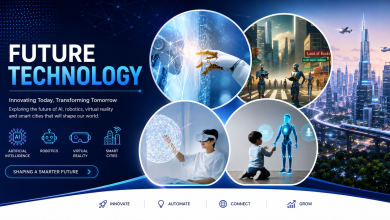
The future of technology will likely involve further development in artificial intelligence, robotics, renewable energy, biotechnology, advanced communication systems, and data processing.
These developments may change how people work, learn, travel, and interact with the world.
Artificial intelligence may become more useful in research, business operations, education, and customer support. However, its use will require responsible development, transparency, and human oversight.
Robotics may support more complex activities in manufacturing, agriculture, logistics, and healthcare.
Renewable energy technologies may help improve energy efficiency and support the transition toward cleaner energy systems.
Advances in communication networks may also improve connectivity and create new opportunities for remote work and digital services.
At the same time, future technological development must consider privacy, environmental effects, accessibility, employment, and public safety.
The most valuable technological progress will not simply involve creating more powerful devices. It will involve developing solutions that address real human needs.
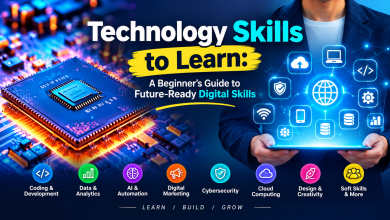
Why learning digital skills is important today
Understanding technology is becoming increasingly important for students, employees, business owners, and people from different professional backgrounds.
Digital skills can help individuals complete everyday activities, communicate professionally, access educational opportunities, and explore different career paths.
For example, learning basic computer operations, document management, online research, and cybersecurity can improve personal and professional efficiency.
People interested in online business may benefit from learning website management, e-commerce, digital marketing, and customer communication.
Students can explore programming, graphic design, data analysis, and other technical subjects according to their interests.
It is not necessary to become a technology expert to benefit from modern digital tools. Starting with basic skills and gradually building knowledge can make the learning process more manageable.
Continuous learning is particularly important because new tools and working methods continue to develop.
Conclusion
Technology has become a major part of modern life. It influences communication, education, healthcare, business, transportation, financial services, and countless everyday activities.
Modern innovations provide opportunities to save time, improve productivity, access knowledge, and develop new skills. At the same time, challenges such as cybersecurity threats, privacy concerns, excessive screen time, and digital inequality require attention.
The best way to benefit from technology is to understand its capabilities, recognize its limitations, and use it responsibly.
As technological development continues, people who remain curious, improve their digital skills, and adapt to new opportunities will be better prepared for an increasingly connected world.
Technology should ultimately serve people, solve meaningful problems, and contribute to a more informed, productive, and accessible society.