Introduction
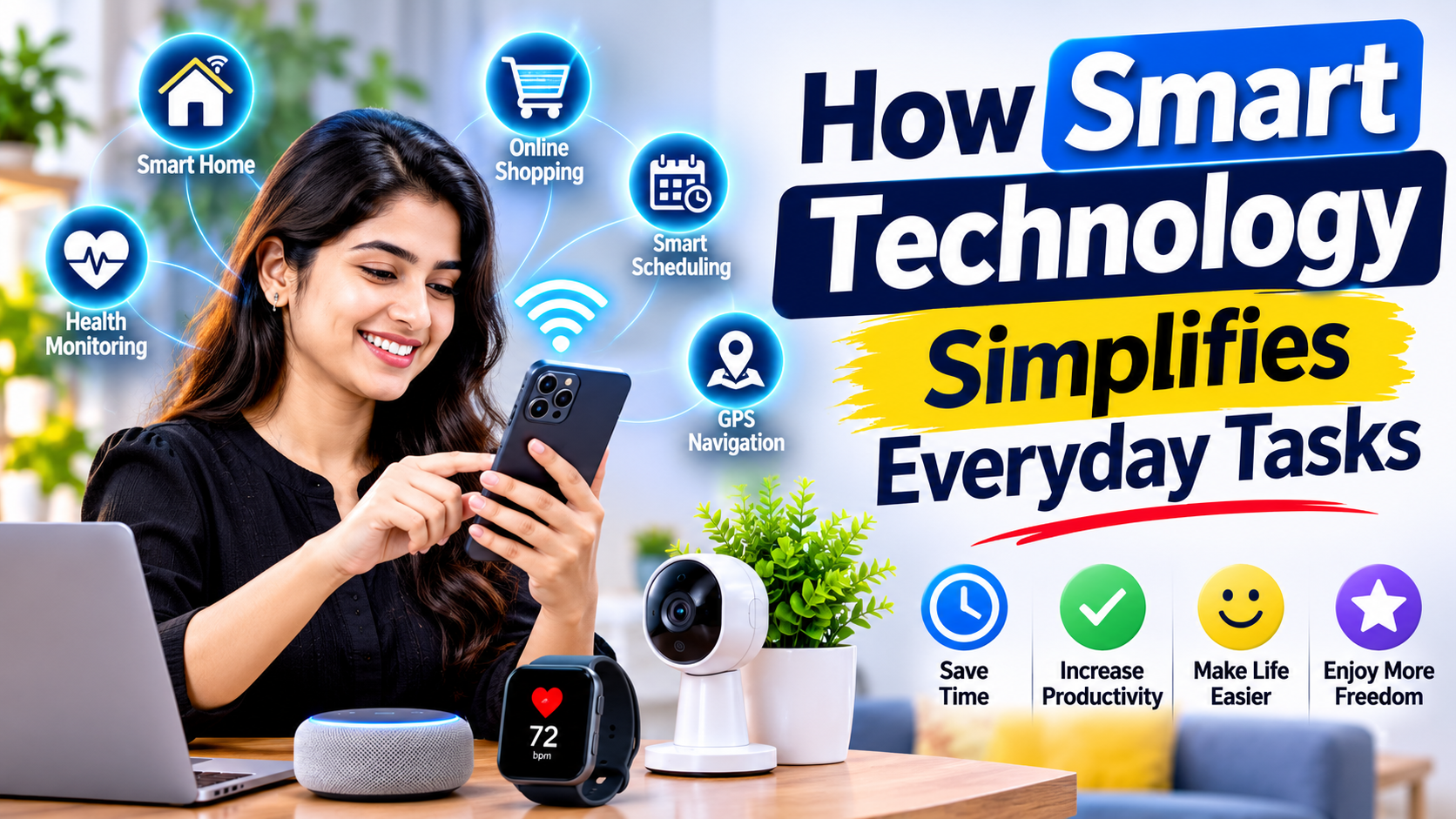
Everyday life involves countless small activities, from preparing meals and managing household expenses to completing office work and staying connected with others. Although these responsibilities may seem simple individually, handling them all can consume a significant amount of time. Smart technology is changing this experience by helping people complete routine activities with greater convenience and better organization. How Smart Technology Simplifies Everyday Tasks.
Unlike traditional electronic devices, smart technology often combines software, internet connectivity, sensors, and automated features. These elements allow devices to respond to instructions, exchange information, and perform selected functions with less manual involvement.
Its importance is not limited to expensive gadgets or modern homes. Even an ordinary smartphone application can make daily responsibilities easier when it solves a genuine problem. How Smart Technology Simplifies Everyday Tasks
1.Turning smartphones into personal organizers

A smartphone can do much more than make calls or send messages. With the right applications, it can become a central place for managing personal responsibilities. How Smart Technology Simplifies Everyday Tasks
Digital note-taking applications help users save important information, while calendar tools organize appointments and deadlines. Reminder features can notify people about upcoming activities, reducing the chance of overlooking essential commitments.
For example, a student can create a weekly study schedule, record assignment deadlines, and set notifications for examination preparation. Similarly, a business owner can organize customer meetings and maintain a list of pending tasks.
The real advantage comes from keeping important information organized instead of depending entirely on memory. How Smart Technology Simplifies Everyday Tasks
2.Making homes more responsive
Modern smart home devices allow people to control selected household functions through mobile applications, voice commands, or automatic schedules.
Smart bulbs can adjust lighting settings, connected plugs can control compatible electrical equipment, and smart security cameras can provide remote viewing through supported applications.
Imagine arriving home after a long day and switching on selected lights through a phone before entering the room. Another example is scheduling outdoor lighting to operate during particular hours.
These small conveniences can make household management more flexible. However, users should choose compatible products and secure their connected devices with strong passwords. How Smart Technology Simplifies Everyday Tasks
3.Reducing repetitive work through automation
Many daily responsibilities involve repeating the same actions. Smart automation can reduce the amount of manual work required for certain processes.
For instance, an email application can sort incoming messages into categories, while a cloud service can automatically synchronize selected files across connected devices. Businesses can also use workflow software to send notifications when a customer submits a form or places an order.
Automation is particularly useful when a task follows a predictable pattern. Instead of performing every step manually, users can configure a system to handle specific actions according to predefined conditions.
However, automated processes should be reviewed regularly because incorrect settings may produce unwanted results. How Smart Technology Simplifies Everyday Tasks
4.Improving the way people manage money
Digital financial services have changed how individuals handle everyday transactions. Mobile banking applications and electronic payment platforms allow users to check balances, transfer funds, and pay selected bills through supported services.
Some financial applications also provide transaction histories and spending summaries. Reviewing this information can help users understand where their money goes and identify areas where expenses could be controlled.
For example, someone who regularly purchases household products can review monthly transactions to estimate spending on groceries, transportation, and other necessities.
Security remains important. Users should never share passwords, verification codes, or confidential banking information with unknown individuals. How Smart Technology Simplifies Everyday Tasks
5.Making food preparation more convenient

Technology is also influencing how people plan meals and manage kitchen activities.
Recipe applications provide cooking instructions, ingredient lists, and preparation suggestions. Some smart kitchen appliances offer preset cooking programs, temperature controls, and timers that help users manage different stages of food preparation.
A person with limited cooking experience can follow a digital recipe step by step rather than trying to remember every instruction. Smart timers can also provide alerts when a cooking process reaches a selected time.
These tools do not replace cooking knowledge, but they can make meal preparation easier to organize. How Smart Technology Simplifies Everyday Tasks
6.Helping people stay connected
Distance is no longer a major barrier to everyday communication. Internet-based messaging and video calling applications allow people to exchange information from different locations.
Families can share updates, students can discuss lessons, and professional teams can coordinate assignments without meeting physically. How Smart Technology Simplifies Everyday Tasks
Some communication platforms also include automatic transcription, translation, and background noise reduction. These features can make conversations more accessible in different situations.
For remote workers and online business owners, reliable digital communication is especially valuable because customer questions and team discussions can be handled from different places.
7.Supporting more flexible learning
Learning does not always have to follow a fixed classroom schedule. Digital education platforms provide access to recorded lessons, interactive exercises, electronic books, and online courses.
Students can revisit difficult lessons, practice unfamiliar subjects, and explore additional learning materials whenever suitable.
Artificial intelligence tools can offer explanations, generate practice questions, or help organize study notes. For example, someone learning a new language may use an application to practice vocabulary and improve pronunciation.
However, learners should compare important information with trustworthy educational resources. Using technology effectively means developing knowledge rather than simply collecting automated answers.
8.Making transportation planning easier
Digital navigation tools help travelers understand routes, estimate journey times, and locate useful places. How Smart Technology Simplifies Everyday Tasks
Mapping applications can provide directions based on available road information. Some services also display traffic conditions, suggest alternative routes, and identify nearby fuel stations or restaurants.
Public transportation applications may provide route information, schedules, or digital ticketing options depending on the service. How Smart Technology Simplifies Everyday Tasks
These features can reduce uncertainty when traveling in unfamiliar areas. Still, users should remain attentive to road conditions and avoid relying blindly on digital directions.
9.Helping small businesses work efficiently
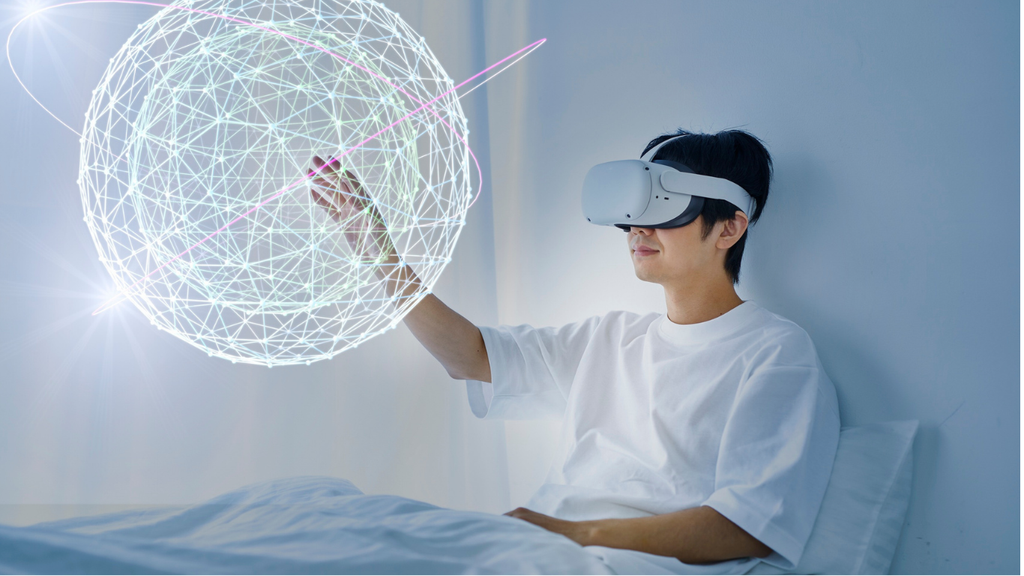
Smart technology is becoming increasingly useful for small businesses that need to manage several responsibilities with limited resources.
Inventory applications can help track available products, while customer management systems organize contact details and purchase records. Social media scheduling tools allow businesses to prepare promotional content in advance.
For example, an online clothing store can use digital tools to organize product information, respond to common customer questions, schedule promotional posts, and review audience engagement.
These systems can improve organization, but business owners still need to understand customer expectations and make thoughtful decisions about marketing and service quality. How Smart Technology Simplifies Everyday Tasks
10.Making personal routines easier to monitor
Wearable devices and mobile applications can help people observe certain aspects of their daily habits. How Smart Technology Simplifies Everyday Tasks.
Depending on their features, fitness trackers may record walking activity, estimate exercise duration, and display sleep-related information. Habit-tracking applications can also help users monitor activities such as reading, studying, or drinking water.
A person trying to develop a regular walking habit, for example, can set a daily activity target and review progress over time.
These measurements are useful for general awareness, but they should not be treated as a replacement for professional health assessments. How Smart Technology Simplifies Everyday Tasks.
11.Understanding the limitations of smart technology
Despite its convenience, smart technology is not suitable for every situation. Connected devices may collect personal data, depend on internet access, or require regular software updates.
There are also financial considerations. Some products involve subscription charges, maintenance expenses, or additional equipment purchases. How Smart Technology Simplifies Everyday Tasks.
Another concern is overdependence. If people rely entirely on automated systems, they may face difficulties when a device stops working or an internet connection becomes unavailable.
A sensible approach is to select technology according to actual needs. Users should understand privacy settings, maintain secure accounts, and keep alternative methods available for essential activities.
12. Choosing technology that provides real value
The best smart device is not necessarily the newest or most expensive one. A useful solution is one that addresses a specific difficulty without creating unnecessary complications.
Before adopting a new application or device, consider the following:
Identify the problem: Decide which everyday activity needs improvement.
Check practical features: Choose functions that support your actual requirements.
Compare costs: Consider purchase prices, maintenance, and subscription fees.
Review security: Understand how personal information is collected and protected.
Learn gradually: Start with essential features before exploring advanced options.
Measure the benefits: Notice whether the technology genuinely saves time or reduces effort.
Following these steps can help people avoid unnecessary spending and build a more useful digital routine.
Conclusion
Smart technology is gradually becoming part of ordinary activities. It helps people organize schedules, manage household equipment, communicate, learn, handle financial tasks, and coordinate professional responsibilities.
How Smart Technology Simplifies Everyday Tasks. Its greatest contribution is not simply making everyday life more digital. It provides practical ways to reduce repeated effort and manage responsibilities with greater flexibility.
Nevertheless, technology works best when people understand its capabilities and limitations. By selecting suitable tools and using them responsibly, individuals can make everyday activities more organized without losing control over their decisions.